Steel Prices
Vietnam Demand Slump Triggers Lower Japanese Scrap Prices and Billet Competition
8m ago•24 November 2026•2 min read•Source: BigMint
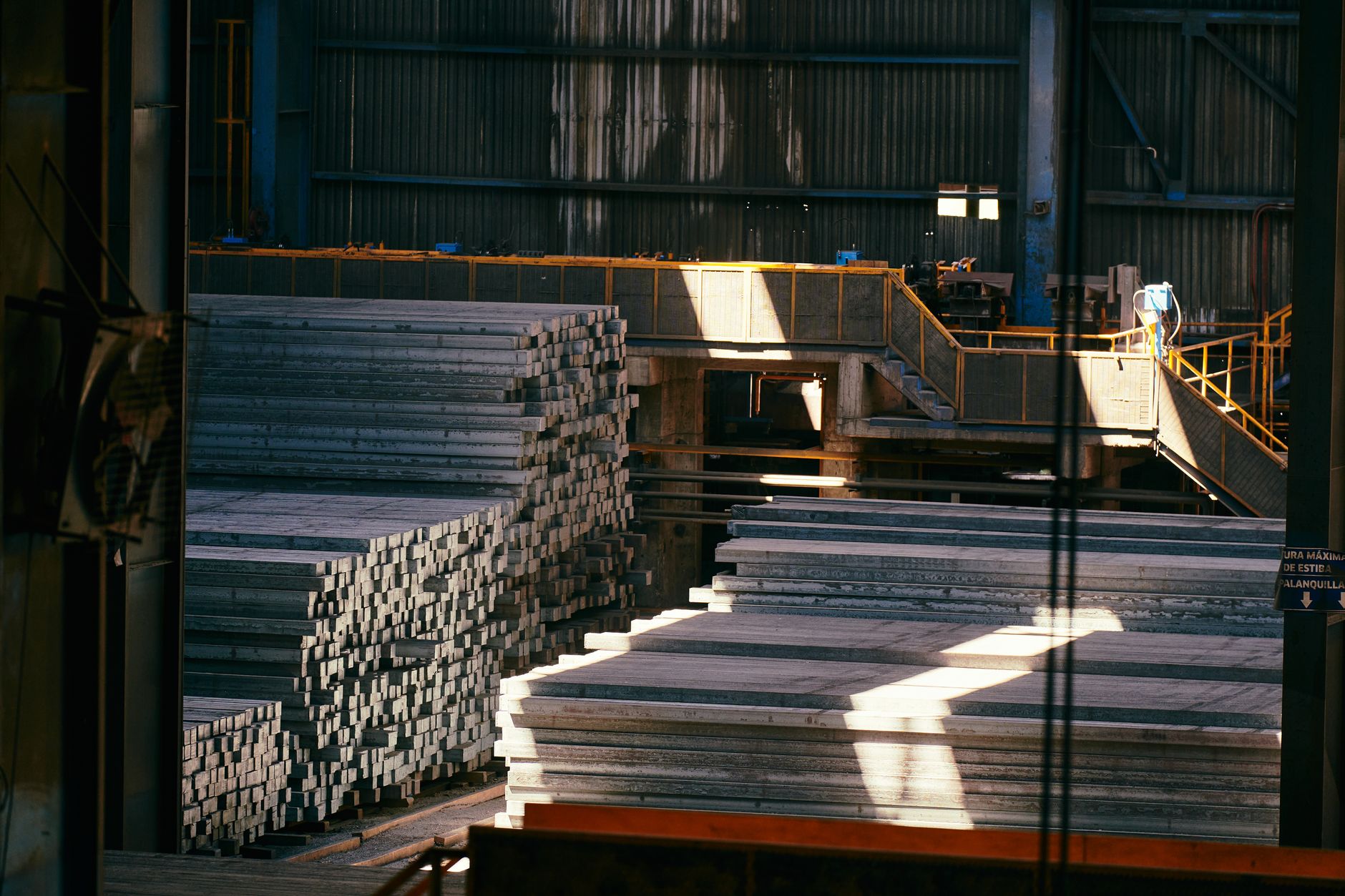
Photo: Willians Huerta / Pexels
Key Highlights
- Vietnam's weakened steel demand drives down Japanese scrap export prices.
- Chinese/Korean billet producers counter with aggressive pricing on continuous cast billets.
- Forging houses can benefit from lower raw material costs but must scrutinize billet chemistry.
- Kesari Alloys offers consistent forging ingots and billets to offset market volatility.
Market Shift in H2 Scrap Pricing
Japan’s export scrap market has entered a correction phase as Vietnamese steel mills report weaker demand for downstream products. The slowdown is prompting Japanese exporters to trim price offers, while Chinese and Korean billet producers are stepping in with aggressive pricing on continuous‑cast billets. For OEMs and forging houses, the price dip creates a short‑term opportunity to secure raw material at lower cost, but it also raises questions about billet‑quality consistency and the availability of heat‑treated grades needed for high‑precision forging.
Implications for Forging‑Grade Steel Supply Chains
Forging operations that rely on open‑die and ring‑rolling processes typically source carbon and alloy ingots, then move to billets or rolled bars for final machining. The current scrap‑price pressure can reduce overall steelmaking costs, yet the competitive billet offers may shift buying patterns toward continuous‑cast billets that promise tighter dimensional tolerances. Buyers should verify that these billets meet the required chemical specifications for grades such as 42CrMo4 or EN8, especially when the downstream heat‑treatment window is narrow.
Kesari Alloys Perspective
For a manufacturer like Kesari Alloys, the dip in scrap prices underscores the importance of offering stable, high‑quality forging ingots and continuous‑cast billets that are less susceptible to market volatility. Kesari Alloys’ portfolio of carbon, alloy and stainless steel forging ingots forging ingots and its continuous cast billets and blooms provide the metallurgical consistency required for open‑die forging, ring rolling and upsetting, allowing buyers to lock in performance while navigating price swings. Selecting a supplier with a broad grade family and proven process control helps mitigate the risk of sudden quality deviations that can arise when lower‑priced billets flood the market.
Why This Matters for Steel Buyers
Lower scrap prices can shave a few percent off steel‑production costs, but the influx of aggressively priced billets forces buyers to confirm that the offered grades meet their forging specifications. A supplier that supplies detailed grade data—such as the EN8 carbon steel EN8 carbon steel page—allows engineers to model heat‑treatment cycles with confidence, avoiding unexpected brittleness or tensile‑strength shortfalls.
For buyers planning inventory over the next 12‑18 months, securing supply from an Indian alloy‑steel forging‑ingot manufacturer provides a two‑fold advantage: price stability and a predictable supply chain. Kesari Alloys’ comprehensive grade family overview steel grade family makes it easier to match exact alloy chemistry to component requirements, balancing cost savings with the quality assurance needed for critical forging applications.
Frequently Asked Questions
How does the drop in Japanese scrap prices affect the cost of forging ingots?
Cheaper scrap can lower steelmaking input costs, but forging ingot prices depend more on alloying elements and processing; a supplier like Kesari Alloys maintains consistent pricing through controlled production.
Should I switch from rolled bars to continuous cast billets for my forging line?
If your process requires tighter dimensional control and uniform chemistry, continuous cast billets are often preferable; Kesari Alloys provides both rolled bars and billets to suit different stages of production.
What grades are suitable for open‑die forging of automotive components?
Grades such as 42CrMo4, EN8 and C45 are commonly used; Kesari Alloys lists detailed specifications for EN8 and C45 on its grade pages.
Can I rely on an Indian supplier for consistent quality amid global price volatility?
Yes, Kesari Alloys has been manufacturing forging ingots and billets in India since 1987, offering a stable supply base and a comprehensive grade family that helps buyers manage risk.
#steel prices
#scrap market
#alloy steel manufacturer india
#forging ingots
#continuous cast billets