Market Overview
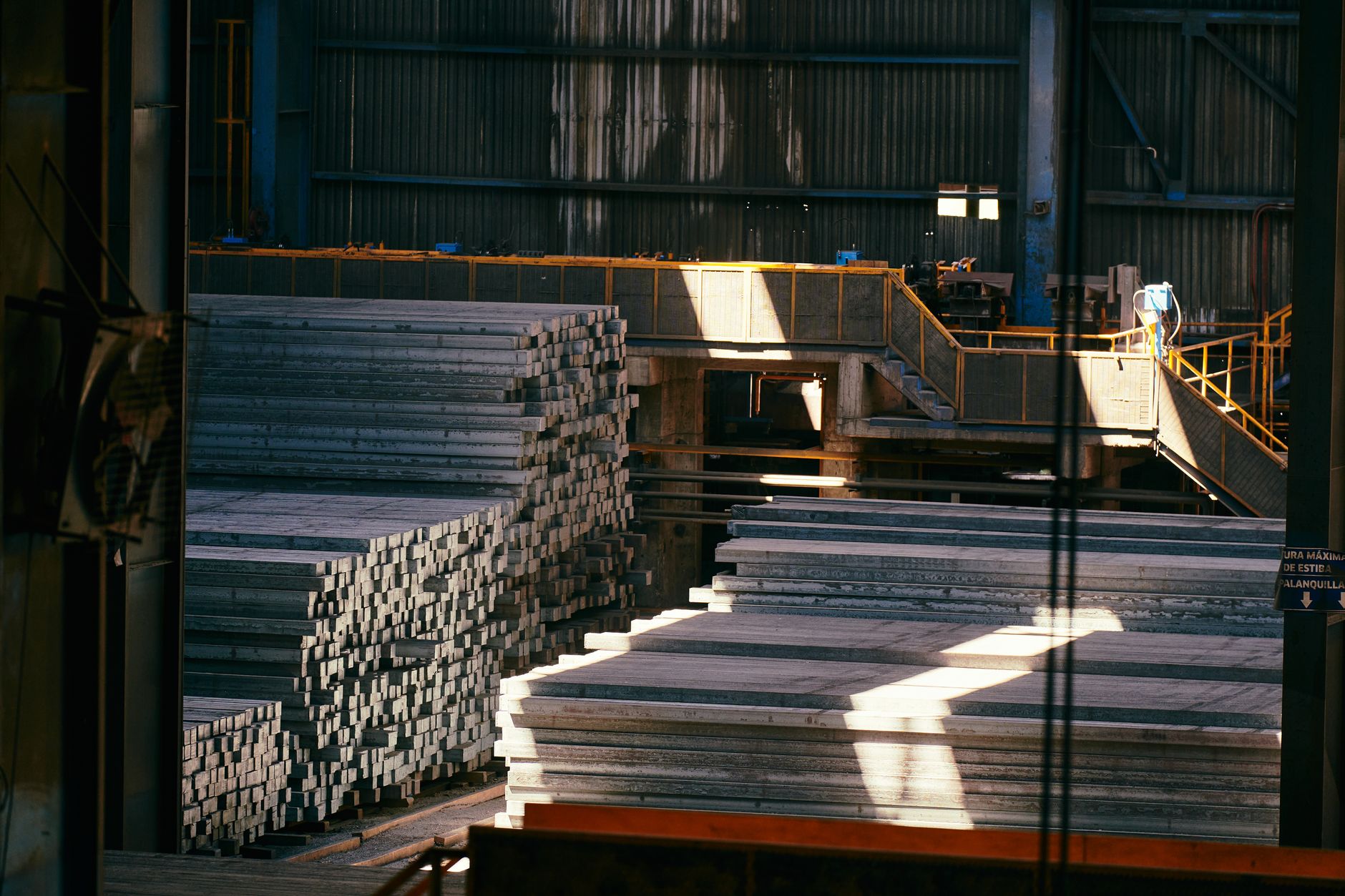
The recent dip in Iranian billet and rebar prices reflects a broader slowdown in regional construction and infrastructure spending. Reduced demand from oil‑and‑gas projects and limited export opportunities have left traders cautious, pushing spot rates lower despite stable raw‑material costs.
For OEMs and forging houses that source material globally, the correction creates a timing window to lock in cheaper billets for downstream processes such as ring rolling or upset forging. At the same time, heightened volatility signals tighter inventory levels, so buyers should confirm supplier capacity and grade availability before committing.
Implications for Forging‑Grade Steel Supply
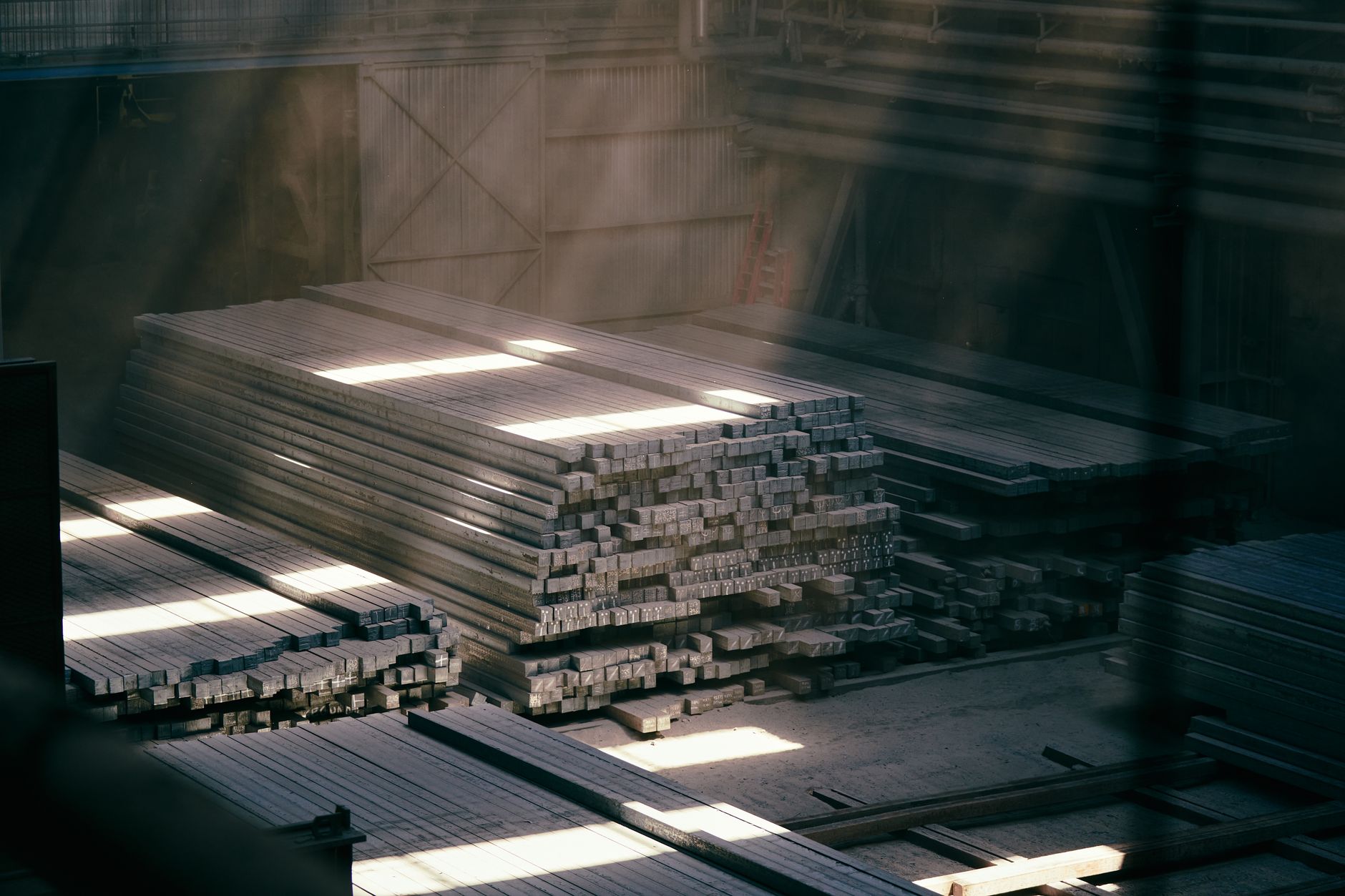
Manufacturers of open‑die forging ingots and continuous‑cast billets can use the softer price environment to expand their export footprint. Grades suited for high‑strength components—such as 42CrMo4 or EN8—remain in demand for automotive and heavy‑engineering applications, even as overall market sentiment wanes.
Buyers seeking consistent quality should work with suppliers that offer a full portfolio from ingots to rolled products. Kesari Alloys, for example, provides both forging ingots and continuous cast billets and blooms that meet international specifications, enabling a seamless transition from raw billet to finished forged part.
Kesari Alloys Perspective
This price softening in Iran underscores the advantage of sourcing from a diversified manufacturer like Kesari Alloys. With a catalog covering carbon, alloy and stainless steel grades, the company can supply the exact billet or ingot required for open‑die forging, ring rolling or upsetting, helping customers mitigate the risk of sudden price spikes.
For buyers searching for an "alloy steel forging ingots manufacturer in India," Kesari Alloys offers the grade depth and process flexibility to match the evolving cost landscape while maintaining material integrity across the supply chain.