Market Shift: Iron Ore and Hot Metal Dynamics
China’s iron‑ore spot market posted a modest day‑over‑day increase, reflecting tightening supply as hot‑metal output fell. The slowdown stems from reduced blast‑furnace throughput in several key provinces, prompting steelmakers to tighten furnace schedules and rely more heavily on inventory buffers. For forging and heavy‑engineering buyers, the immediate impact is a steeper raw‑material cost curve that is likely to push alloy‑grade prices higher in the next quarter.
Implications for Forging‑Grade Steel Procurement
When ore costs rise, the added expense is felt most strongly in high‑alloy grades used for open‑die forging and ring‑rolling. Buyers should revisit their material strategy, weighing cost against performance. For example, substituting a premium stainless‑steel forging ingot with a more economical carbon‑alloy alternative can protect margins without sacrificing critical properties. Companies like Kesari Alloys, an established Indian manufacturer of carbon, alloy and stainless steel forging ingots, offer a broad portfolio that enables purchasers to fine‑tune grade selection amid price volatility. Explore the full range of options in the forging ingots catalogue to match your application needs.
Kesari Alloys Perspective
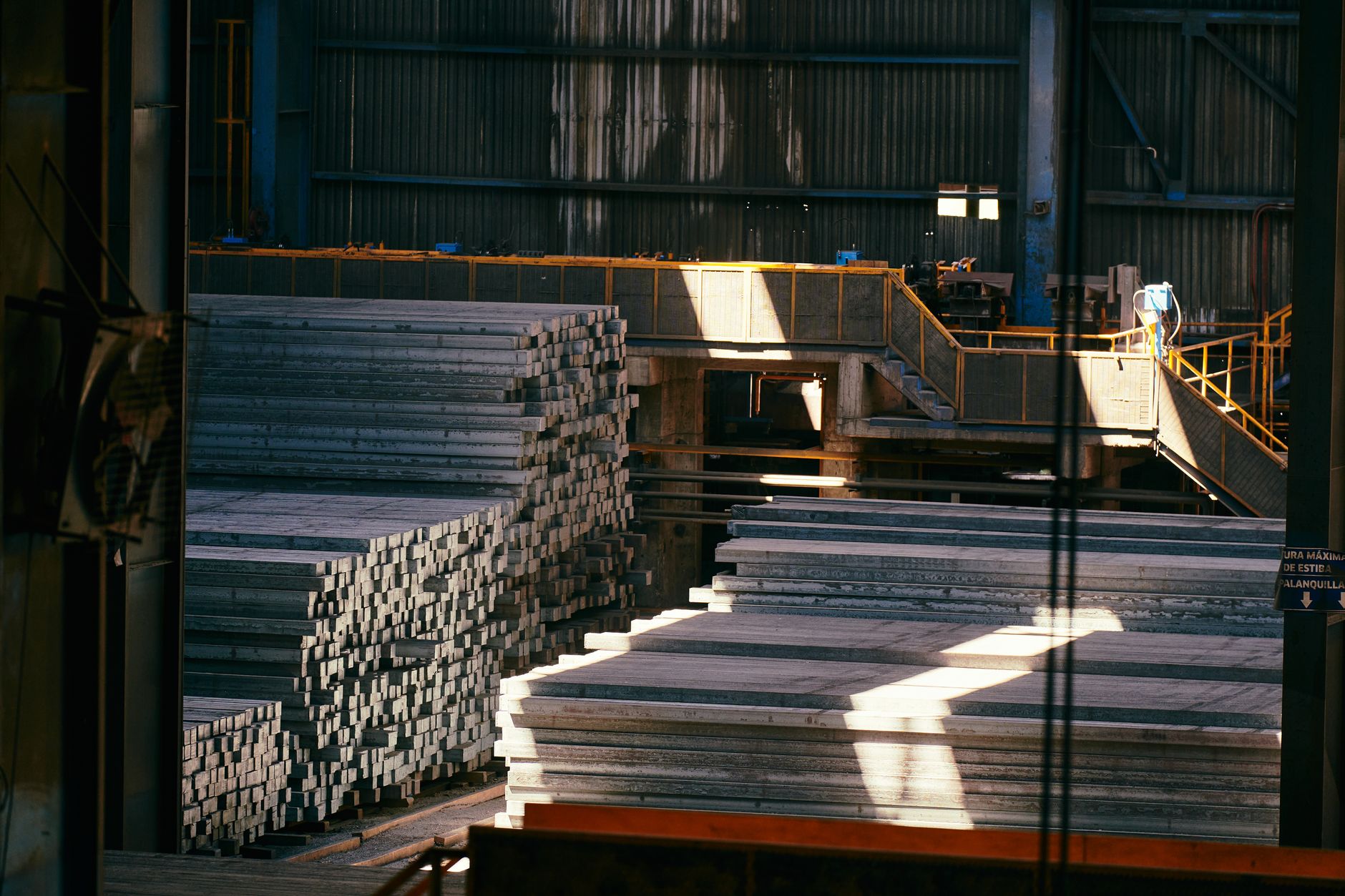
The current ore‑price uptick underscores the advantage of a diversified supply chain. Kesari Alloys, based in Bhiwadi, Rajasthan, supplies both continuous‑cast billets and rolled bars that can serve as alternative feedstock for downstream forging operations. By sourcing high‑quality ingots or billets from a trusted Indian supplier, OEMs can reduce exposure to Chinese raw‑material fluctuations while staying compliant with specifications for automotive, power and heavy‑engineering sectors.
Buyers should first define the mechanical requirements of their components and then match those needs with Kesari Alloys’ grade portfolio—whether it’s a carbon‑steel billet for ring rolling or a precision‑rolled bar for shafting. Leveraging a local manufacturer improves lead‑time control and gives a clearer picture of total cost of ownership in a volatile market.