Market Shift: Sponge Iron Prices Slide
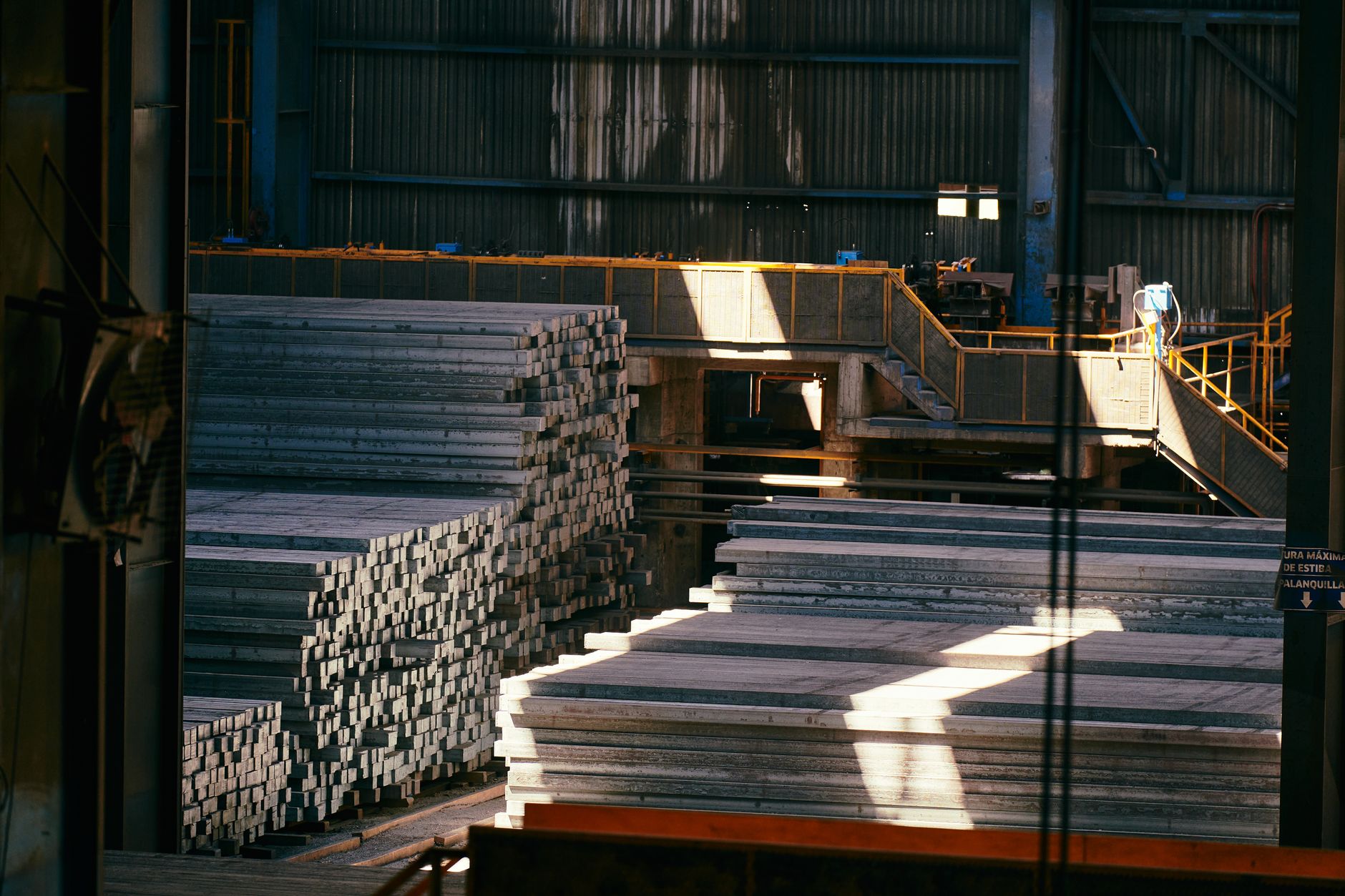
The recent reduction of sponge iron by INR 100‑300 per tonne has lowered the raw‑material cost base for many downstream steel producers. Sponge iron, a primary feedstock for electric‑arc furnace (EAF) operations, directly influences the economics of carbon and alloy steel making. With trade volumes stabilising at these lower price levels, manufacturers can expect modest margin relief, especially for grades used in open‑die forging and ring‑rolling where material cost is a key driver.
Implications for Forging‑Grade Steel Supply
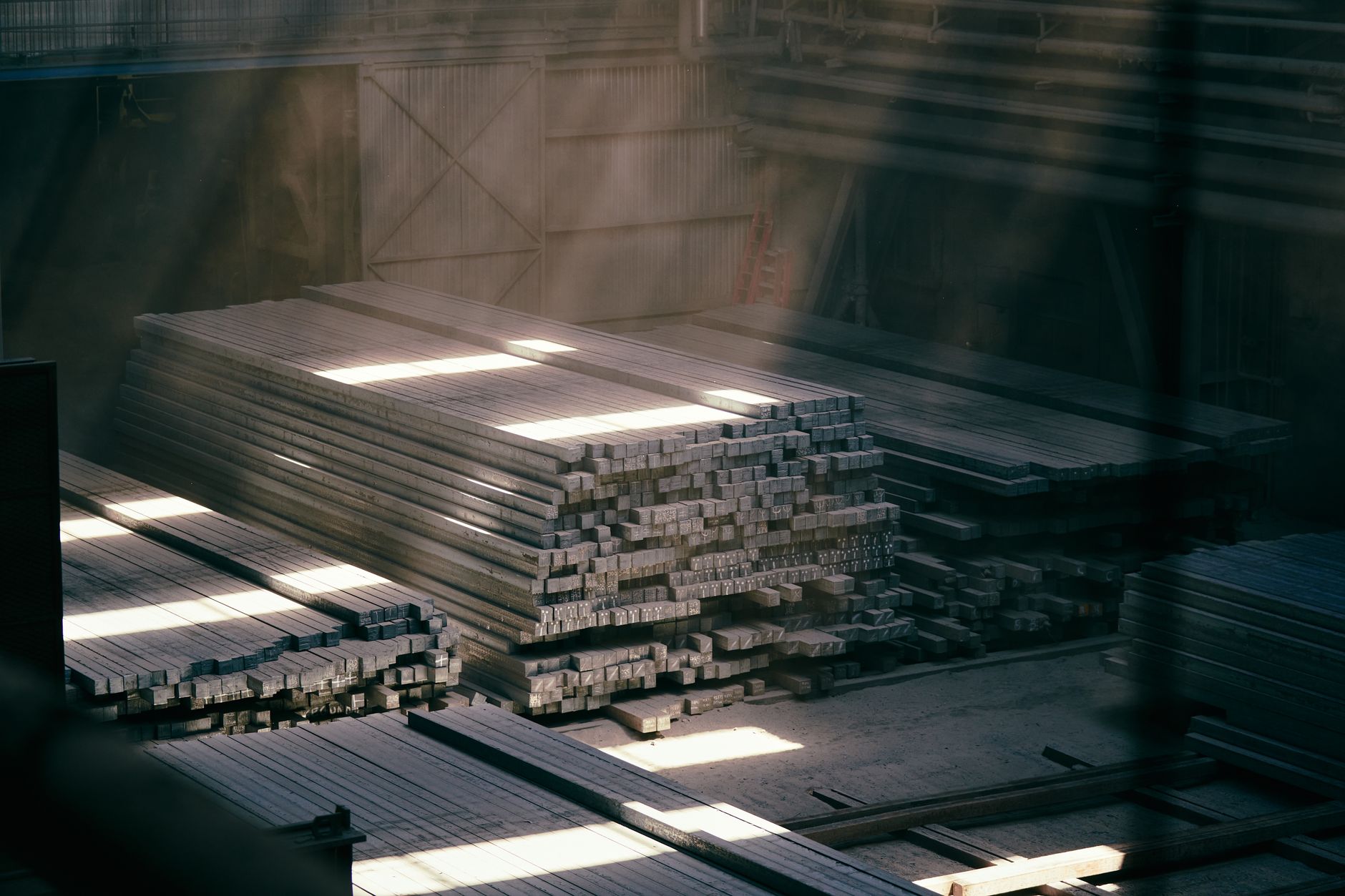
Lower feedstock costs cascade through the supply chain, affecting the pricing of high‑grade forging ingots and continuous‑cast billets. Buyers of grades such as 42CrMo4, EN8 or C45 should watch price signals closely, as the cost advantage may be short‑lived amid global alloy‑price volatility. Companies that source from an established Indian forging‑ingot supplier can benefit from the domestic availability of low‑cost sponge iron, reducing reliance on imported scrap.
For OEMs and distributors evaluating inventory, the dip creates an opportunity to lock in competitive rates on critical forging inputs while maintaining quality standards. Selecting a supplier with a broad grade portfolio—spanning carbon, alloy and stainless steel—helps mitigate the risk of sudden price rebounds.
Kesari Alloys Perspective
For a manufacturer like Kesari Alloys, the softer sponge‑iron market reinforces its position as a reliable source of forging ingots and billets produced in India. The company’s extensive grade range, documented on its steel grade family page, allows buyers to match exact mechanical requirements without compromising on cost. When the raw‑material landscape shifts, a buyer should verify that the supplier can consistently deliver the specified chemistry for grades like C45 carbon steel and maintain the metallurgical integrity needed for open‑die forging.
In practice, purchasers should request mill test certificates and confirm that the ingot or billet dimensions meet their forging‑process tolerances. Kesari Alloys, with its Bhiwadi facility, offers the local‑supply‑chain advantage that becomes especially valuable when sponge‑iron prices are in flux.