Steel Prices
Pearl Coke Price Dip Signals Shifting Alloy Demand in India
6m ago•25 November 2026•2 min read•Source: BigMint
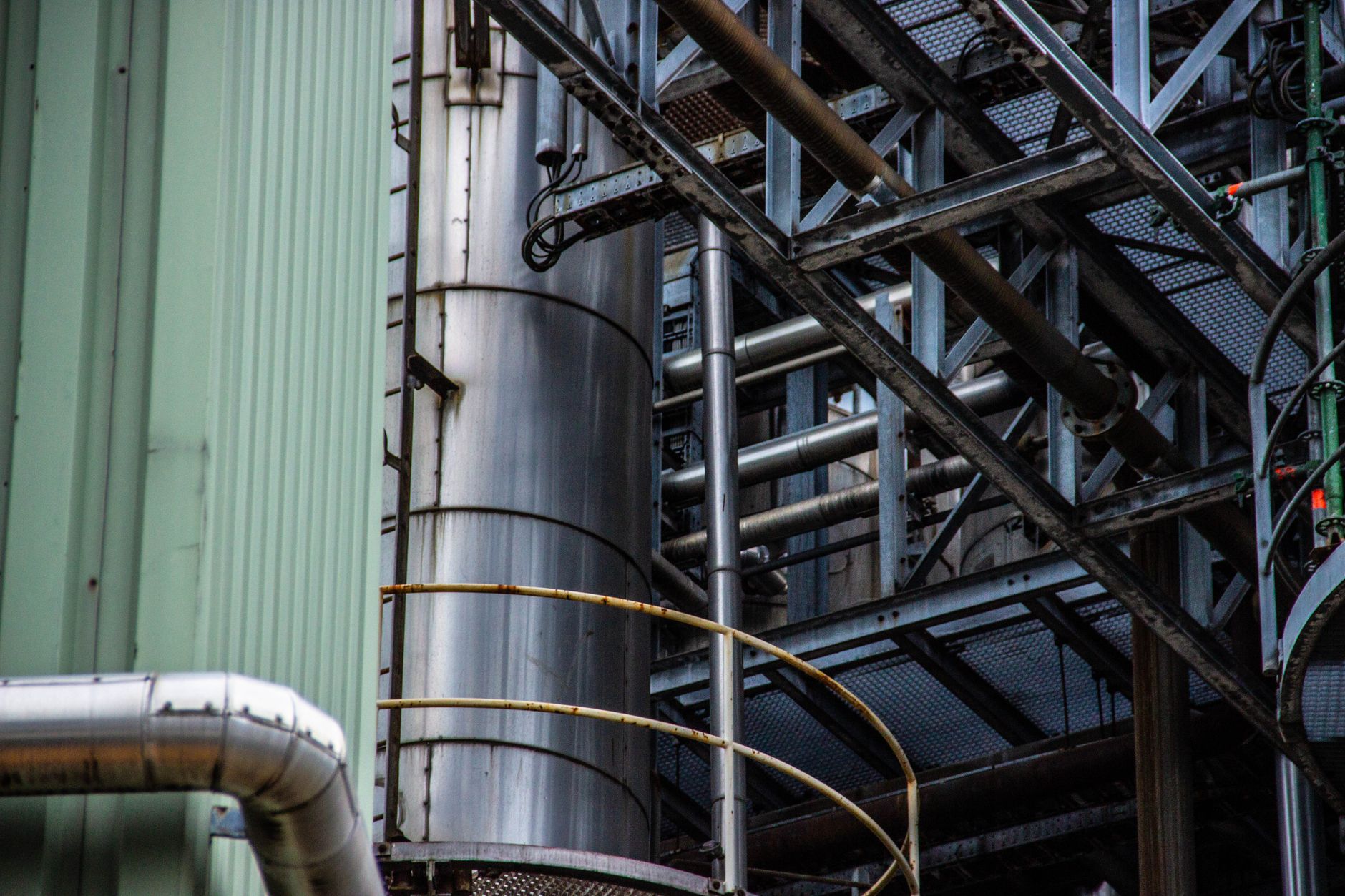
Photo: Bas Geerlings / Pexels
Key Highlights
- Pearl coke prices eased in Nov'26 as alloy demand softened.
- Lower coke costs improve melt economics but may signal reduced alloy orders.
- Buyers should review grade mix, especially SAE4140, amid shifting market dynamics.
- Kesari Alloys offers flexible forging ingots and continuous cast billets to adapt to price changes.
Market Shift: Pearl Coke Prices Fall
In November 2026, India’s pearl coke market showed a noticeable price easing, driven by a slowdown in alloy consumption across automotive and heavy‑engineering sectors. Lower coke costs reduce the overall furnace charge for producing high‑alloy steels, but the price signal also reflects softer downstream demand for grades such as 4140 and 42CrMo4, which are core to forging and crankshaft applications.
Implications for Forging‑Grade Steel Supply
The reduced coke expense can improve melt economics for manufacturers of carbon and alloy forging ingots, yet the weakening demand may translate into tighter order books and more cautious inventory builds. Buyers should reassess their required grade mix – for example, the widely‑used SAE4140 alloy steel for gearbox shafts – and consider whether a shift toward lower‑alloy or carbon‑based alternatives could better align with current market conditions.
Kesari Alloys Perspective
For a supplier like Kesari Alloys, the coke price movement underscores the importance of flexible product portfolios. Their forging ingots range, covering carbon, alloy and stainless steels, can be adjusted to match the evolving alloy demand without sacrificing quality. Likewise, the availability of continuous cast billets for ring‑rolling and upsetting offers OEMs a cost‑effective feedstock when alloy grades become price‑sensitive. Buyers looking for an "alloy steel forging ingots manufacturer in India" should evaluate how Kesari Alloys balances melt efficiency with grade diversity to stay resilient amid price fluctuations.
Why This Matters for Steel Buyers
The coke price dip directly affects the cost structure of alloy steel production. When furnace charge drops, manufacturers can pass savings to buyers, but only if they have sufficient order flow. Buyers should therefore lock in supply contracts now, especially for critical grades like SAE4140, to capture any cost advantage before demand rebounds.
Evaluating suppliers with a broad grade portfolio and proven forging capabilities—such as Kesari Alloys’ steel grade family—helps mitigate risk. A diversified source base ensures that if one alloy segment tightens, alternative carbon or lower‑alloy grades remain available without lengthy lead times.
Frequently Asked Questions
How does the drop in pearl coke prices affect the cost of forging ingots?
Lower coke prices reduce furnace charge, which can lower the production cost of forging ingots, but the final price also depends on demand levels for specific alloy grades.
Which alloy grades are most vulnerable to reduced demand in the current market?
Mid‑range alloy steels such as SAE4140 and 42CrMo4, commonly used in automotive crankshafts and gearboxes, are seeing the greatest demand softening.
What should a buyer look for when selecting a forging ingot supplier in India?
Buyers should verify the supplier’s grade breadth, melt flexibility, and ability to provide continuous cast billets or rolled bars, as demonstrated by Kesari Alloys.
Can I source both ingots and billets from the same manufacturer to simplify inventory?
Yes, Kesari Alloys offers both forging ingots and continuous cast billets, allowing buyers to streamline sourcing and maintain consistent material quality across processes.
#steel prices
#alloy steel manufacturer india
#forging ingots
#coke price impact
#automotive steel demand