Exports & Global Markets

CBAM Extension to Downstream Steel Products Tightens Pressure on Indian MSME Exporters

CBAM Extension to Downstream Steel Products Tightens Pressure on Indian MSME Exporters

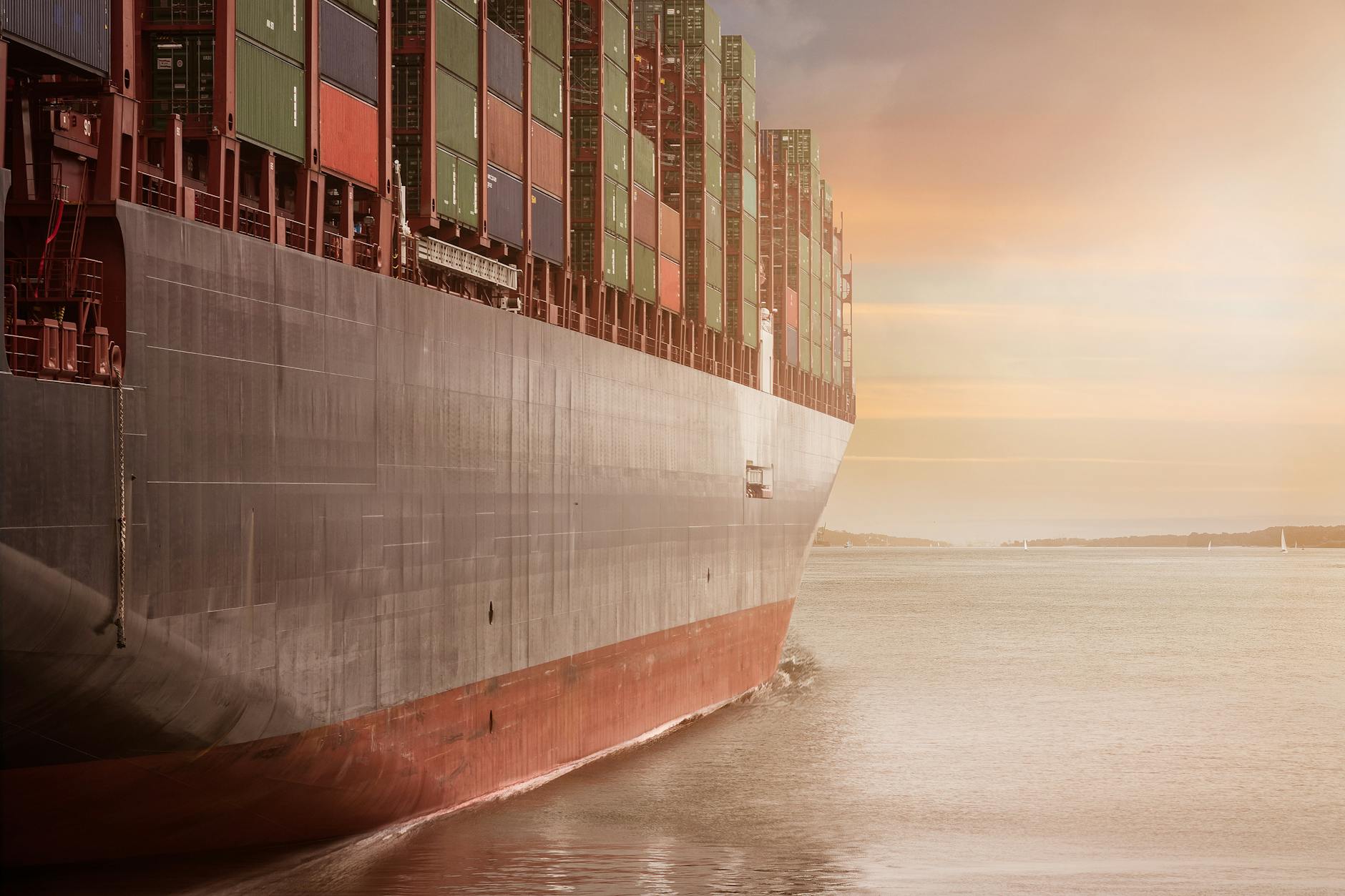
Image: orfonline.org

Key Highlights

  • EU CBAM now includes downstream steel products, affecting Indian exporters.
  • MSMEs face higher reporting costs and potential price penalties in European markets.
  • Carbon‑intensity data becomes a key differentiator for forging‑grade steel suppliers.
  • Kesari Alloys provides traceable forging ingots and billets suitable for CBAM compliance.

Regulatory Shift and Its Immediate Impact

The European Union’s Carbon Border Adjustment Mechanism (CBAM) is being expanded to cover downstream steel items such as rolled sections and forgings. For Indian MSMEs that export semi‑finished steel, the new reporting and carbon‑cost obligations will raise the landed price of their goods in Europe, eroding the cost advantage that many smaller firms rely on.

Because downstream CBAM assesses the carbon intensity of the product as it leaves the factory, manufacturers must now disclose the embedded emissions of each batch. This creates a data‑collection burden that larger integrated producers can absorb, while many Indian SMEs lack the metering infrastructure and financing needed for low‑carbon processing.

Industry Response and Supply‑Chain Adjustments

Exporters are scrambling to re‑qualify their material grades against the EU’s carbon‑accounting rules. Some are shifting to higher‑efficiency electric‑arc‑furnace (EAF) scrap blends, while others are exploring low‑carbon alloy formulations. The shift also opens an opportunity for domestic suppliers of forging‑grade steel to differentiate on documented carbon footprints.

Buyers in the automotive and heavy‑engineering sectors, who source forgings and bars for EU‑bound projects, will increasingly demand proof of low‑embodied emissions. Selecting a supplier that already provides detailed grade data and traceability can reduce compliance risk and simplify cost modelling.

Kesari Alloys Perspective

For a forging‑grade steel manufacturer like Kesari Alloys, the CBAM extension underscores the importance of offering ingots and billets with transparent carbon accounting. Our portfolio of forging ingots and continuous cast billets and blooms is produced in Bhiwadi, Rajasthan, where the plant operates under a well‑documented energy mix, facilitating easier emissions reporting.

Buyers looking for an "alloy steel forging ingots manufacturer in India" will find that Kesari Alloys’ grade catalogue, spanning carbon, alloy and stainless families, can be matched to CBAM‑compliant specifications. By partnering with a supplier that already tracks process emissions, Indian MSMEs can mitigate the downstream carbon surcharge and maintain market access in Europe.

Why This Matters for Steel Buyers

The expanded CBAM ties the carbon intensity of each steel grade directly to its landed cost in Europe. Buyers who secure suppliers with independently verified emissions data can embed the carbon surcharge into their pricing models, avoid unexpected cost spikes, and preserve margin on EU contracts.

When qualifying a new supplier, request the carbon intensity figure for the specific grade and compare it against the EU’s threshold values. Choosing a provider with a broad steel grade family enables you to shift to lower‑carbon alternatives without redesigning components, giving you flexibility to meet CBAM requirements while keeping supply‑chain continuity.

Frequently Asked Questions

How does CBAM affect the cost of importing forged steel into the EU?
CBAM adds a carbon charge based on the product’s embedded emissions, so the total landed cost rises unless the supplier can demonstrate a low‑carbon footprint.
What documentation should Indian MSMEs prepare for CBAM compliance?
They need batch‑level emission reports, energy consumption records, and traceability of the steel grade from raw material to final product.
Can Kesari Alloys help my company meet CBAM reporting requirements?
Yes, Kesari Alloys provides detailed grade specifications and can share process‑level carbon data for its forging ingots and billets, supporting buyer compliance.
Which steel grades are most suitable for low‑carbon forging applications under CBAM?
Grades such as C45 and EN8, listed in Kesari’s catalogue, can be produced with lower‑carbon input mixes and are often favored for CBAM‑compliant projects.
#cbam #steel exports #alloy steel manufacturer india #forging ingots #carbon reporting #msme
Source reporting: orfonline.org · original article