Market Overview
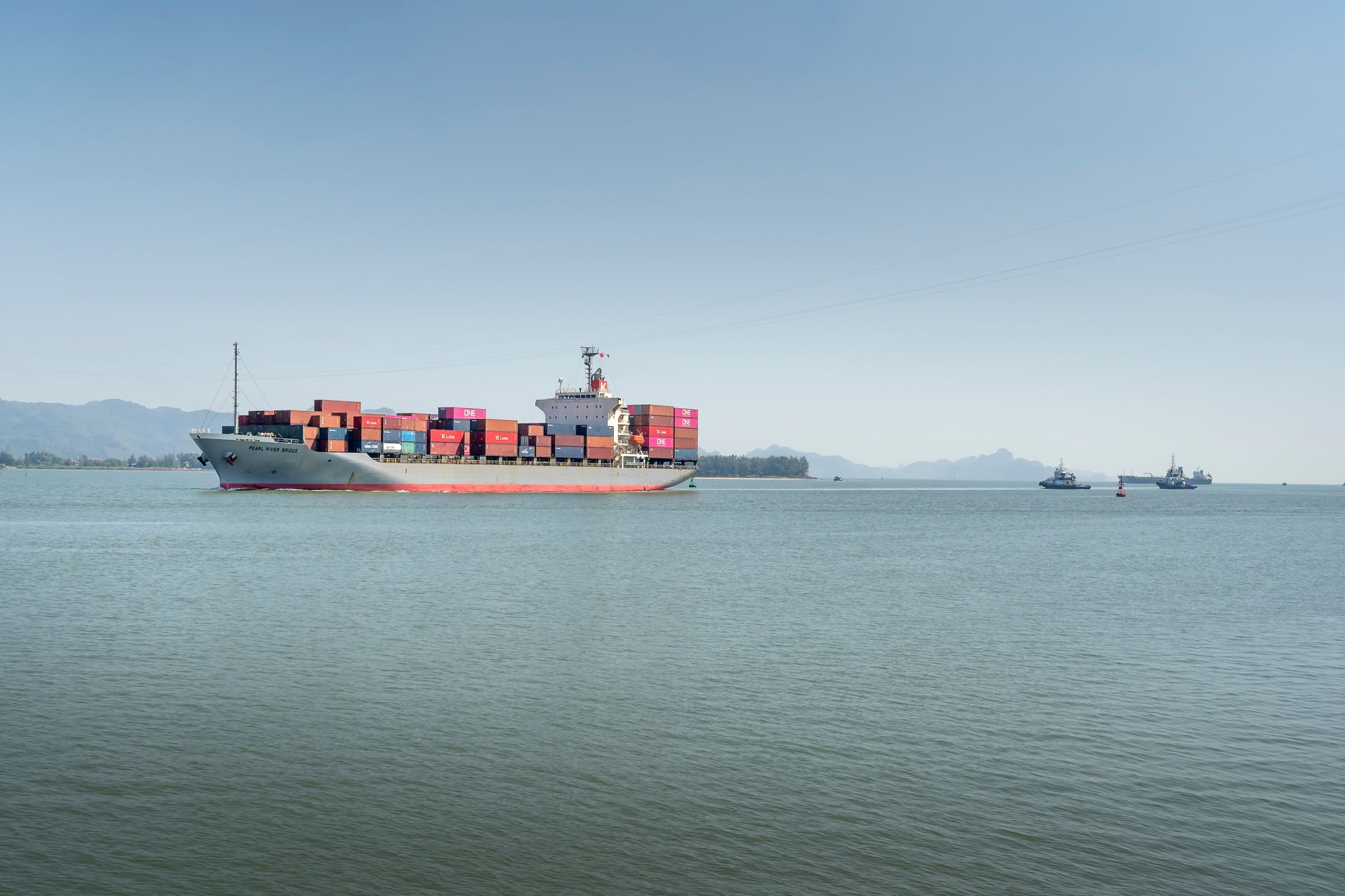
Global iron‑ore shipments fell about 3% week‑on‑week, driven by weaker export volumes from Brazil and Canada. The slowdown reflects logistical bottlenecks, seasonal demand shifts in steel‑intensive regions, and early signs of price moderation after a year of record highs. For manufacturers that feed electric‑arc furnaces with bulk ore, the trend could mean lower raw‑material costs or, at minimum, a more predictable price corridor in the coming quarters.
Implications for Forging‑Grade Steel Supply
Forging companies and OEMs that source alloy and carbon‑steel ingots monitor iron‑ore trends closely because furnace‑charge costs form a large share of the final steel price. A modest easing in ore shipments may relieve pressure on the cost of producing high‑grade forging blanks such as 42CrMo4 or 4140, even though those specific alloys are not listed here. Buyers should reassess budgeting assumptions and consider locking in supply while the market stabilises. In India, strong domestic ore contracts and continued imports from Australia provide a buffer against short‑term volatility.
Kesari Alloys Perspective
For a supplier like Kesari Alloys, the softening of iron‑ore prices aligns with its strategy of delivering consistent pricing on forging ingots and related products. Its portfolio of carbon, alloy and stainless‑steel forging ingots suits open‑die forging, ring rolling and upsetting—processes that demand tight melt control. As raw‑material costs moderate, buyers can expect more competitive quotes on grades such as EN8 or C45 without compromising the chemical tolerances required for critical automotive or power‑generation components. Prospective customers looking for an "alloy steel forging ingots manufacturer in India" should evaluate the full grade matrix steel grade family and match it to their design specifications, while also reviewing the availability of continuous cast billets continuous cast billets for downstream forging operations.