Exports & Global Markets

Export Slump Hits Iron Pellet Supply Chain, Raising Risks for Forging Mills

Export Slump Hits Iron Pellet Supply Chain, Raising Risks for Forging Mills

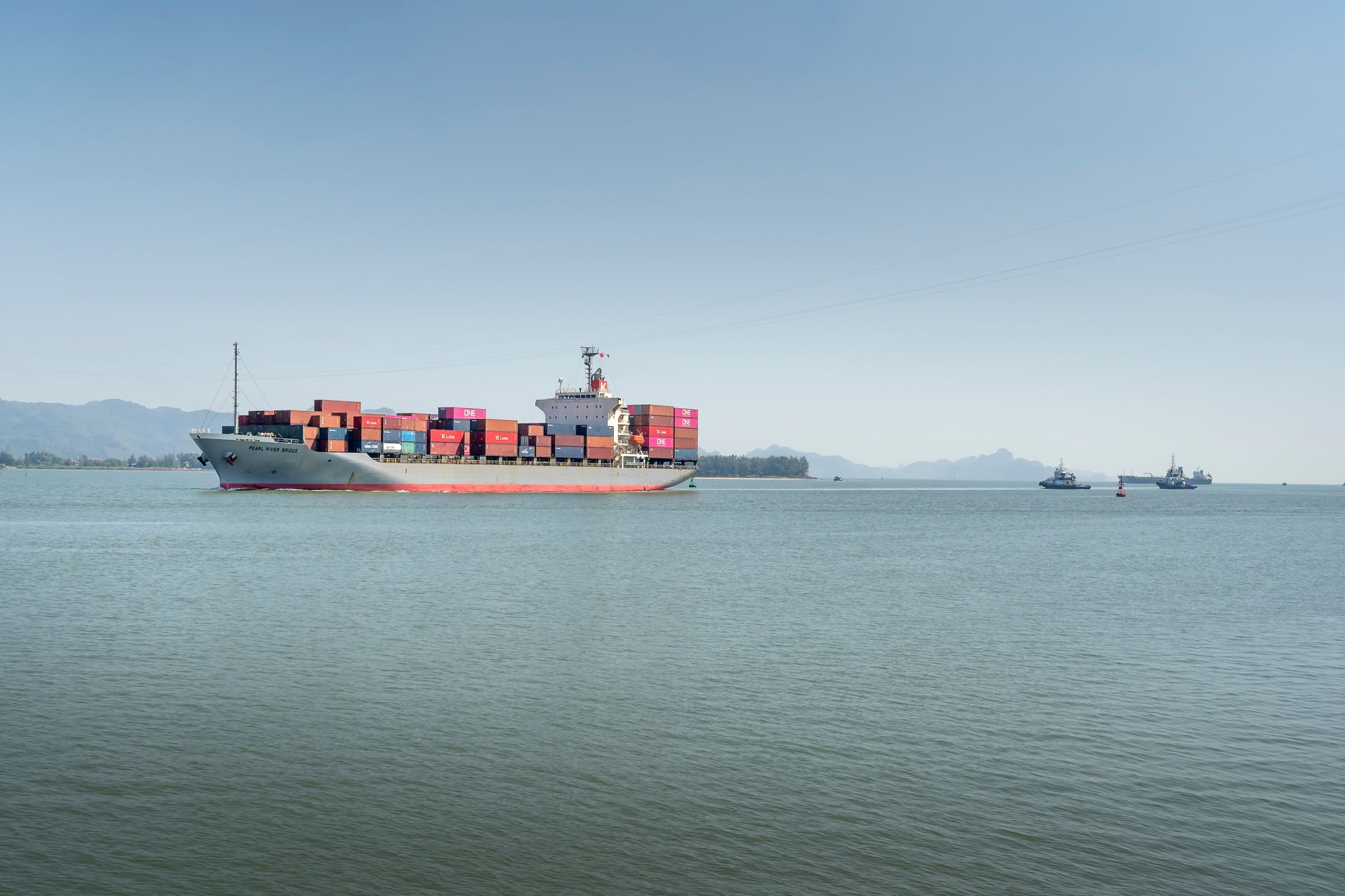
Photo: Quang Nguyen Vinh / Pexels

Key Highlights

  • Global iron‑pellet exports fell 8% YoY in Jan‑Sep 2026 due to geopolitical disruptions.
  • Reduced primary iron supply raises costs for secondary steel producers and downstream forgings.
  • Buyers must verify strict chemical control in forging ingots to avoid performance penalties.
  • Kesari Alloys provides both ingots and continuous cast billets that meet tight alloy specifications.
  • Maintaining inventory of grades like C45 can buffer against raw material volatility.

Market Shift and Its Ripple Effect

BigMint data shows an 8% year‑on‑year decline in global iron‑pellet and concentrate shipments for Jan‑Sep 2026, mainly because of geopolitical bottlenecks in key producing regions. The reduced feedstock pushes primary‑iron costs higher, which tightens the supply of downstream steel billets and forgings. OEMs and forging houses that depend on a steady flow of high‑grade steel therefore face larger material budgets and must adopt more resilient sourcing strategies.

The slowdown is also prompting manufacturers to reassess inventory buffers and to qualify additional suppliers capable of guaranteeing consistent chemistry for critical grades such as 42CrMo4, EN8 or C45. The pressure is especially acute for open‑die forging and ring‑rolling operations, where small variations in carbon or alloy content can affect tool life and final tolerances.

Implications for Steel Grade Selection

When primary iron becomes scarce, secondary producers often adjust melt recipes, which can shift the alloying balance in forged ingots. Buyers should therefore verify that the ingot supplier maintains strict chemistry control, particularly for alloy steels used in high‑stress automotive and power‑generation components. Kesari Alloys offers a broad portfolio of forging ingots that meet the stringent specifications required for open‑die forging, ring rolling and upsetting processes. See the range of options at forging ingots.

For customers who prefer a semi‑finished form that can be further processed in‑house, continuous‑cast billets and blooms provide a versatile bridge between raw melt and final forging. Kesari Alloys’ continuous cast billets and blooms are produced to the same grade standards as its ingots, ensuring a seamless transition in the supply chain.

Kesari Alloys Perspective

The export contraction underscores the importance of sourcing steel from a manufacturer with a diversified product line and deep expertise in alloy control. For a forging‑grade steel maker like Kesari Alloys, the dip in pellet shipments reinforces the value of maintaining a stable inventory of carbon, alloy and stainless‑steel ingots that can be supplied on short notice. Buyers looking for an "alloy steel forging ingots manufacturer in India" will find that Kesari’s grade catalogue—including proven carbon steels such as C45 carbon steel—offers the consistency needed to mitigate feedstock volatility while keeping machining and heat‑treatment costs predictable.


Why This Matters for Steel Buyers

The drop in iron‑pellet shipments compresses the raw‑material base for steelmakers, which in turn lifts prices and extends lead times for forging‑grade steels. By sourcing from a supplier that offers a full suite of grades—such as Kesari Alloys’ rolled bars for shafting and industrial applications—buyers can lock in consistent chemistry across ingots, billets and rolled products, reducing the risk of costly re‑qualification.

Strategic buyers will therefore prioritize suppliers that demonstrate traceable grade control, the ability to deliver both ingots and billets, and a proven record of meeting automotive, power and heavy‑engineering specifications. Aligning procurement with a manufacturer that provides these options helps mitigate supply‑risk exposure and supports just‑in‑time production schedules.

Frequently Asked Questions

How does the drop in iron‑pellet exports affect the price of forged steel components?
Lower pellet volumes push primary iron prices higher, which cascades to higher melt costs for secondary steel producers, ultimately raising the cost of forged components.
What grades should I consider for high‑strength automotive forgings amid raw‑material volatility?
Grades such as 42CrMo4, EN8 and C45 are common; Kesari Alloys offers these and other alloy steel forging ingots with tight chemistry control.
Can I source both ingots and semi‑finished billets from the same supplier to simplify logistics?
Yes, Kesari Alloys supplies both forging ingots and continuous cast billets/blooms, enabling a single‑source strategy for consistent grade quality.
What should I look for when qualifying a new forging‑steel supplier in India?
Focus on the supplier’s grade portfolio, proven control over carbon and alloy content, and the ability to deliver ingots, billets or rolled bars as required; Kesari Alloys meets these criteria.
#iron pellet exports #forging ingots #alloy steel manufacturer india #steel grade selection #raw material volatility
Source reporting: BigMint · original article