Shift in Global Steel Trade Flows
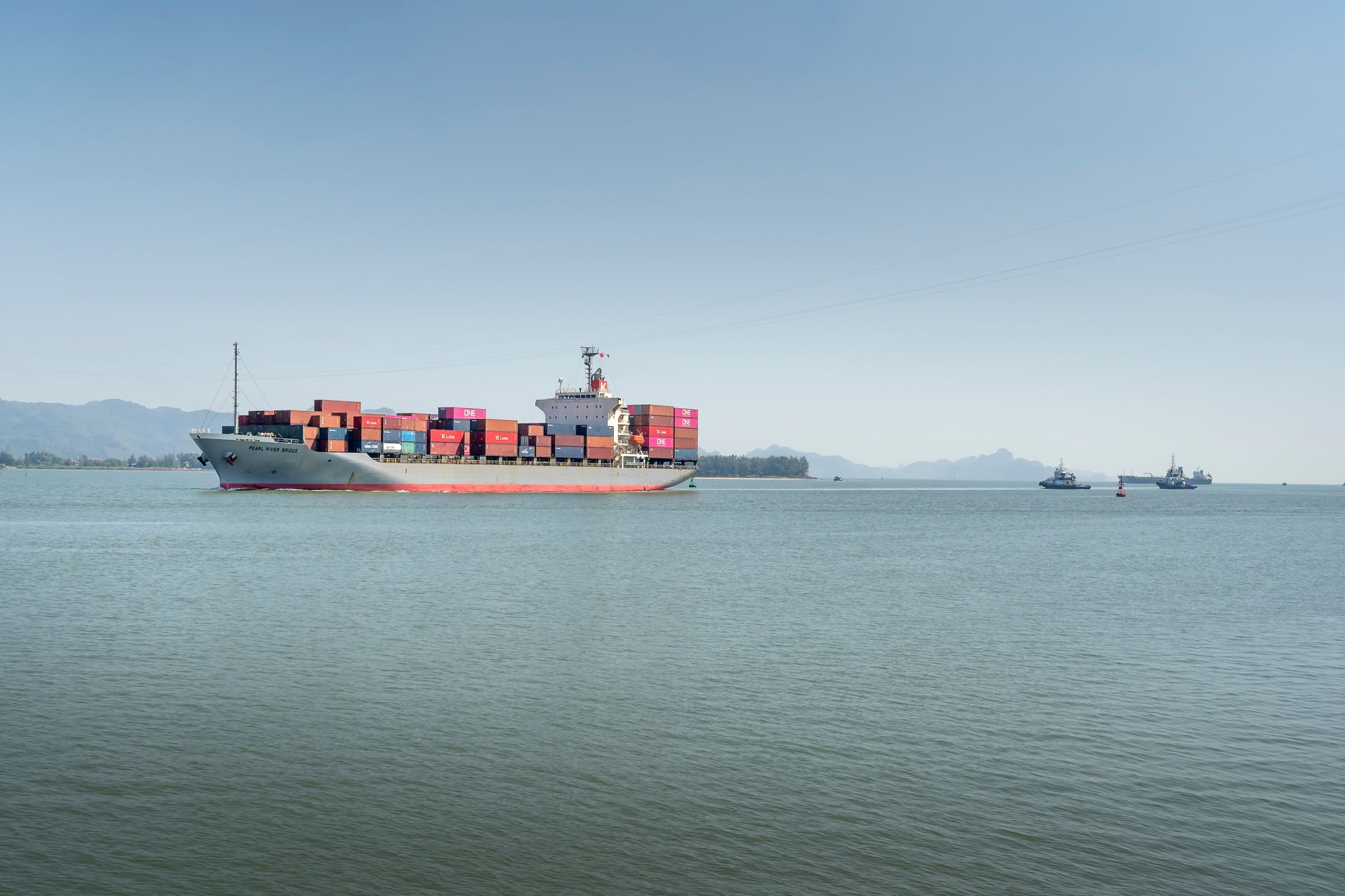
China’s steel export volumes fell 2.6% in the January‑September 2026 period, reflecting a re‑allocation of shipments toward emerging markets while traditional destinations in Europe and North America saw reduced inbound freight. The slowdown is driven by tighter domestic inventory, higher freight costs, and a strategic pivot to meet growing demand in Southeast Asia and the Middle East. For forging companies that rely on a steady supply of alloy and carbon steel, the contraction raises the risk of tighter availability of Chinese‑origin billets and ingots, especially for grades used in open‑die forging and ring rolling.
At the same time, Asian producers outside China are expanding capacity and offering competitive pricing to capture the displaced demand. This creates an opportunity for Indian manufacturers to fill the gap, provided they can meet the technical specifications and heat‑treatment consistency required by OEMs. Buyers should therefore re‑evaluate their sourcing matrix, weighing grade certification, material traceability, and the ability to supply both forging ingots and downstream rolled products.
Implications for Forging‑Grade Steel Procurement
For high‑strength alloy steels such as 42CrMo4 or tool steels, the shift may increase price volatility and make lead‑time forecasting more difficult. The broader market impact, however, is most pronounced for standard carbon grades like C45 and EN8, which are the workhorses of gear, shaft and axle manufacturing. Companies that maintain a diversified supplier base—combining Chinese, Indian and local sources—will be better positioned to absorb short‑term fluctuations.
When assessing alternatives, buyers should prioritize manufacturers that offer a full suite of forging‑ready products, from ingots to continuous‑cast billets and rolled bars, ensuring seamless downstream processing. An Indian supplier with a proven track record in the automotive and heavy‑engineering sectors can provide the material integrity needed for critical components while mitigating exposure to the current export contraction.
Kesari Alloys Perspective
Kesari Alloys, an established Indian maker of carbon, alloy and stainless steel forging ingots, continuous‑cast billets/blooms and rolled bars, is well‑placed to serve customers seeking a reliable alternative to Chinese exports. Its product portfolio includes open‑die forging ingots suitable for ring rolling and upsetting, as well as billets that can be directly fed into forging presses. Buyers looking for grades such as C45 carbon steel or EN8 carbon steel will find detailed chemistry and heat‑treatment data that align with OEM specifications.
In the current environment, forging firms should consider engaging a supplier that can deliver both raw ingots and downstream rolled bars, reducing inventory complexity and lead‑time risk. Kesari Alloys’ integrated manufacturing footprint in Bhiwadi, Rajasthan, supports consistent quality and traceability, making it a viable partner for companies navigating the shifting export landscape.