Market Outlook and Export Dynamics
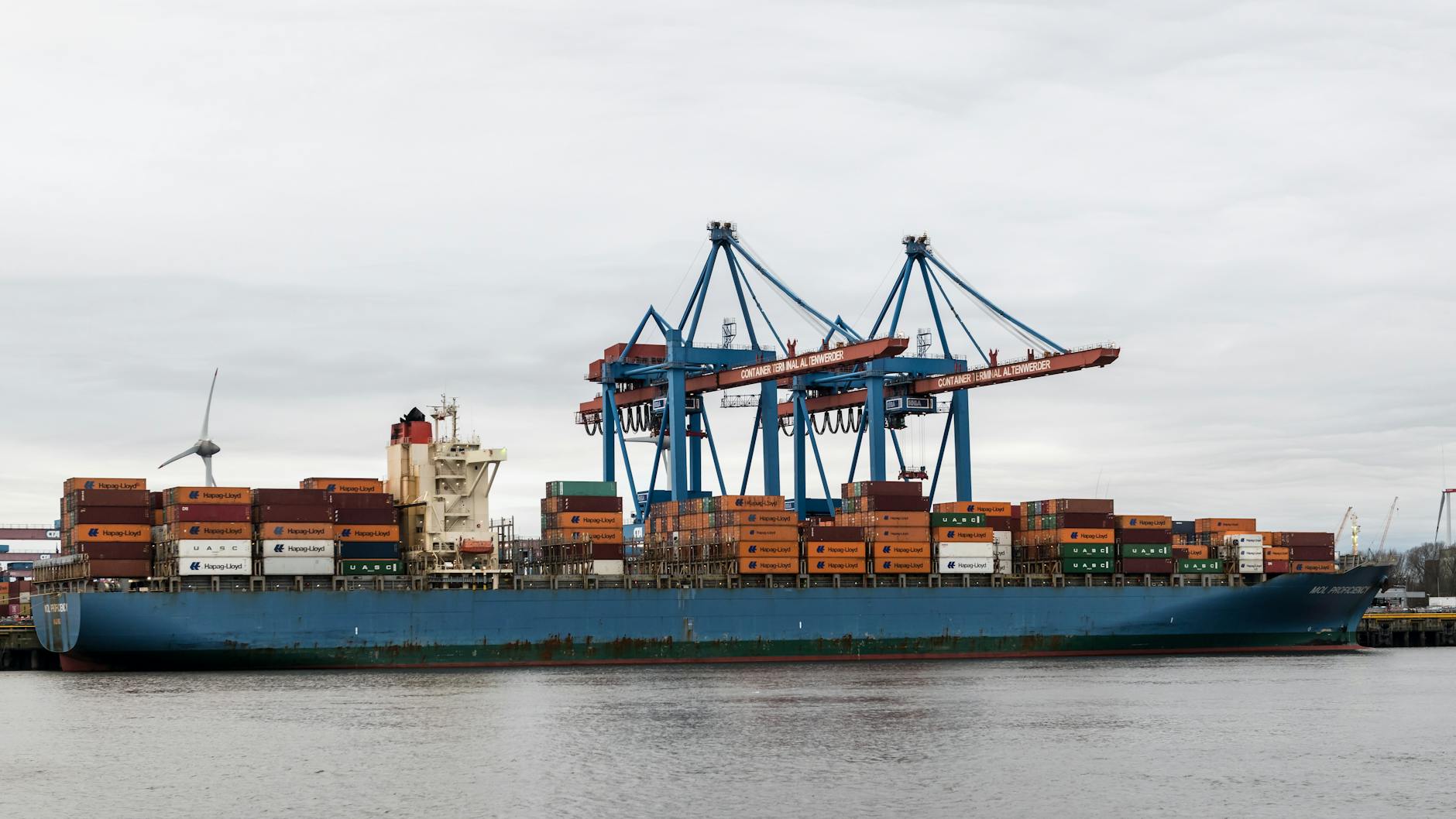
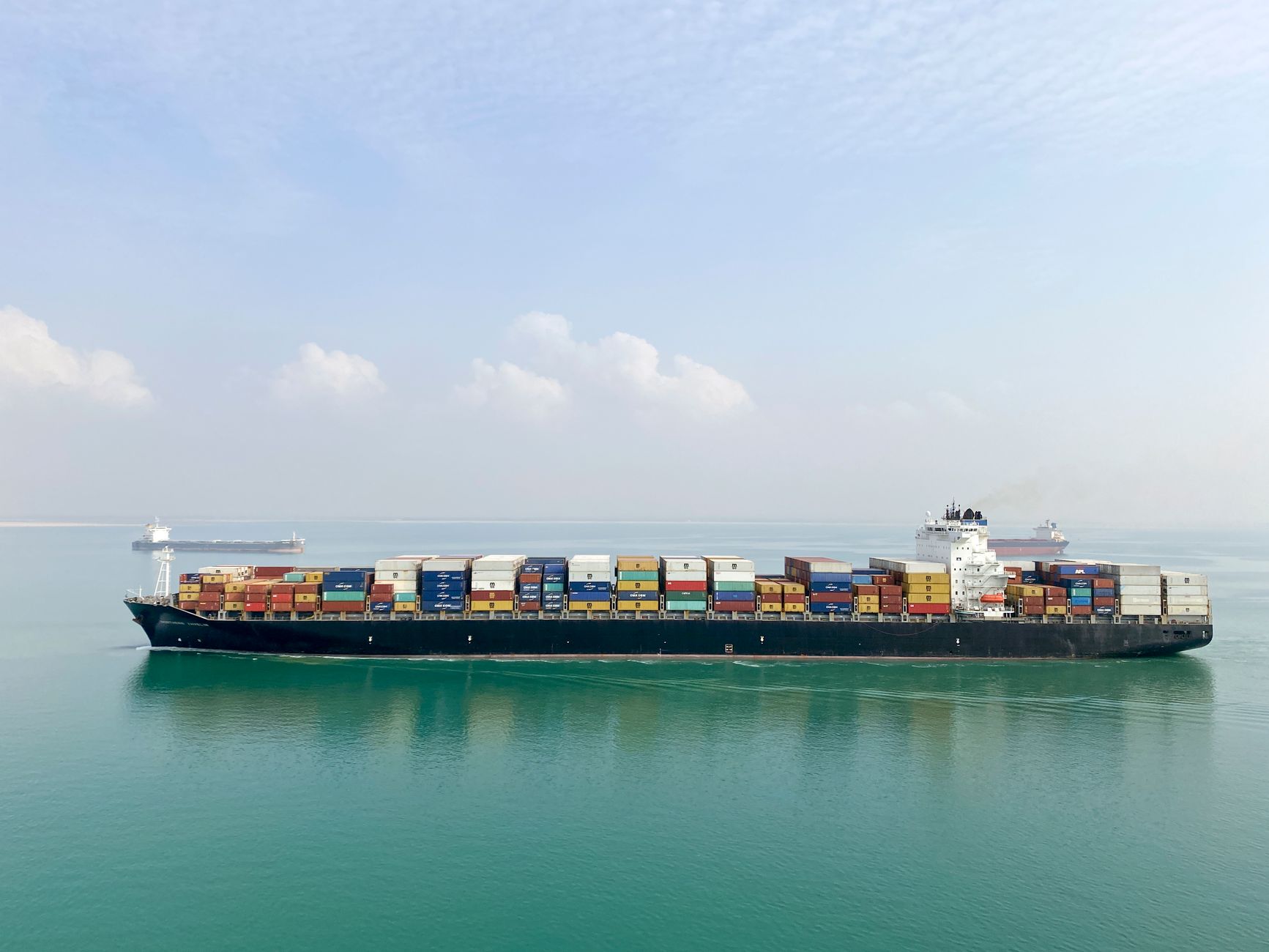
China’s steelmakers project a total export volume of 130 million tonnes for 2026, driven by excess capacity, government incentives and a slowdown in domestic construction. The surge will flood key Asian markets, pressuring Indian producers to protect both price points and market share. For OEMs that rely on a steady supply of alloy steel, this volatility demands a reassessment of sourcing strategies, especially for grades used in high‑strength forging and ring‑rolling applications.
Implications for Forging‑Grade Steel Demand
When inexpensive Chinese billets and ingots enter the market, many buyers shift to lower‑cost alternatives for components such as crankshafts, gear hubs and pressure‑vessel rings. Yet the performance envelope of critical parts—requiring tight chemistry, uniform microstructure and reliable fatigue strength—cannot be compromised. Indian manufacturers that specialize in premium forging ingots and continuous‑cast billets can therefore differentiate themselves. Companies that maintain strict control over alloying elements and heat‑treatment processes remain attractive to customers seeking to avoid the hidden costs of re‑work or premature failure.
Kesari Alloys Perspective
For a supplier like Kesari Alloys, the export surge underscores the strategic value of offering a broad portfolio of high‑quality forging ingots and continuous cast billets and blooms. Buyers searching for alloy‑steel forging ingots manufactured in India can rely on grades that meet the exacting standards of open‑die forging, ring rolling and upsetting. Sourcing both carbon and alloy grades from a single, traceable source reduces inventory complexity and shortens lead times—critical advantages when global supply chains are under stress.
In addition, Kesari’s collaboration with rolling mills to produce rolled bars for shafting and other industrial applications provides an end‑to‑end solution for OEMs that prefer to keep procurement within a trusted Indian supplier network. By aligning grade selection with performance requirements rather than price alone, Indian manufacturers can safeguard quality while remaining competitive against the influx of low‑priced Chinese steel.