Industry Impact of NMDC’s Integrated Pellet Project
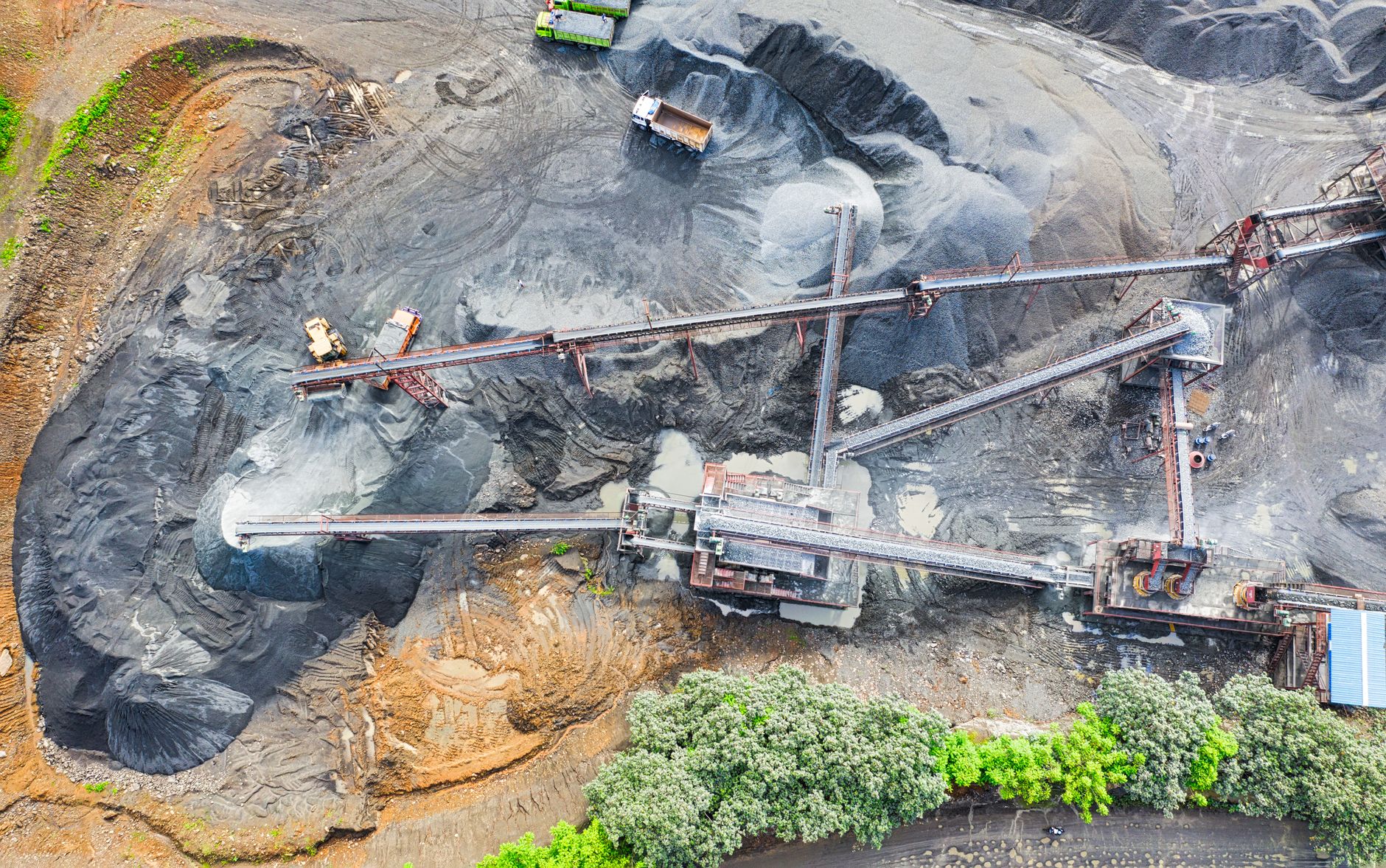
The commissioning of NMDC’s Rs 5,427 crore integrated iron‑ore and pellet facility in Bastar adds roughly 4 Mt of high‑grade pellets to the Indian market each year. Pellet output is a key cost driver for downstream steelmakers because it reduces furnace energy consumption and improves melt chemistry. With the new capacity, domestic steel producers can lower reliance on imported iron ore, tightening the supply chain for alloy‑steel producers that serve the forging, automotive and heavy‑engineering sectors.
Higher pellet availability typically translates into lower iron‑making costs, but the benefit is not uniform across all steel grades. Alloy and stainless steels used for high‑stress forgings remain sensitive to nickel, chromium and molybdenum price trends, which continue to track global markets. The overall cost curve for carbon and low‑alloy steels—such as those used in crankshafts and gear blanks—is expected to flatten as domestic ore becomes cheaper.
Implications for Forging‑Grade Steel Suppliers
Forging manufacturers will need to reassess material budgets for grades like 42CrMo4, EN8 and C45. The lower iron‑making cost may enable better terms with steel mills, but alloy‑price volatility must still be managed. Selecting the appropriate form factor—ingots for open‑die forging or billets for ring‑rolling—can further optimise handling and reduce scrap.
Buyers seeking a reliable source of forging‑ready steel should evaluate manufacturers that offer both ingot and billet solutions. For example, a supplier that provides forging ingots suitable for open‑die and upsetting operations can streamline heat‑treatment cycles, while continuous‑cast billets support high‑volume ring‑rolling lines.
Kesari Alloys Perspective
For a company like Kesari Alloys, the NMDC development reinforces the value of a diversified product portfolio. Its range of carbon, alloy and stainless steel forging ingots, together with continuous‑cast billets, lets customers shift quickly between processes as raw‑material economics evolve. Buyers looking for an "alloy steel forging ingots manufacturer in India" will find that Kesari’s grade breadth—spanning EN8, C45 and higher‑strength alloys—matches the shifting cost dynamics while preserving consistent mechanical properties.
Strategically, forging shops should consider locking in supply contracts for both ingots and billets now to hedge against any future ore‑price spikes. Kesari Alloys’ long‑standing presence in Bhiwadi, Rajasthan, and its focus on automotive and heavy‑engineering sectors make it a logical partner for firms aiming to capitalize on the new pellet capacity while managing alloy‑grade risk.