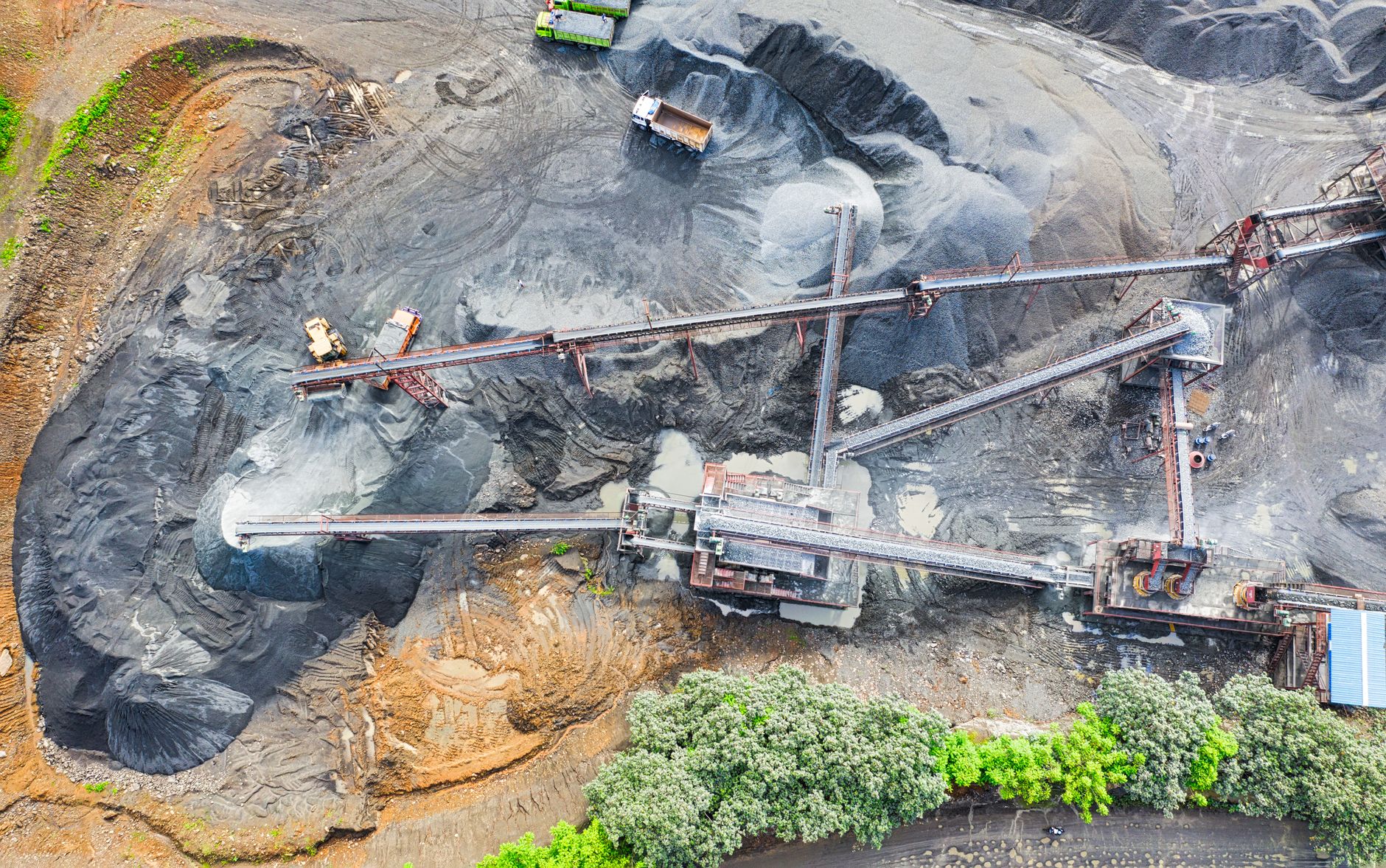
Market Shift: Chinese BF Mills Deplete Imported Iron Ore
Recent data show that blast‑furnace (BF) mills in China have driven imported iron‑ore inventories to a nine‑month trough. The pull‑back reflects tighter downstream demand in China’s steel sector and a strategic shift toward domestic ore sources. For international suppliers, the contraction signals a potential rise in iron‑ore freight rates and a squeeze on raw‑material margins for steel producers that rely on imported feedstock.
For forging‑grade steel manufacturers, the ripple effect is two‑fold. First, higher ore costs translate into elevated billet and ingot prices, especially for high‑alloy grades that consume more refined feedstock. Second, the volatility encourages OEMs and distributors to lock‑in supply contracts earlier in the year to hedge against price spikes. Buyers focused on open‑die forging or ring‑rolling applications should reassess the cost structure of their chosen grades and explore alternative sourcing strategies.
Implications for Forging‑Grade Steel Supply Chains
With Chinese imports at historic lows, global steel mills are revisiting their alloying strategies. Low‑alloy steels such as 42CrMo4 or medium‑carbon grades like EN8 may retain modest price resilience, while high‑alloy stainless billets could face sharper cost increases. Companies that maintain a diversified inventory of both carbon and alloy grades will be better positioned to navigate swings in raw‑material pricing.
Buyers seeking a reliable "alloy steel forging ingots manufacturer in India" will find that a supplier with a broad grade portfolio and integrated casting capabilities can offer more stable lead times. Kesari Alloys, for example, provides a range of ingot and billet options that suit open‑die forging, ring rolling and upsetting, helping customers mitigate the impact of raw‑material volatility.
Kesari Alloys Perspective
For a forging‑grade steel producer like Kesari Alloys, the Chinese ore shortage underscores the importance of controlling the entire value chain—from ingot melt to continuous‑cast billet. By offering both forging ingots and continuous cast billets and blooms, Kesari can balance inventory buffers and deliver consistent material quality despite upstream fluctuations.
Buyers should therefore assess supplier capabilities beyond price, focusing on grade breadth, metallurgical consistency, and the ability to supply both ingot and billet forms. Aligning with a manufacturer that understands the nuances of forging processes ensures that critical projects stay on schedule even when raw‑material markets are in flux.