Raw Materials

Falling Capesize Freight Rates Pressure Steel Raw‑Material Costs

Falling Capesize Freight Rates Pressure Steel Raw‑Material Costs

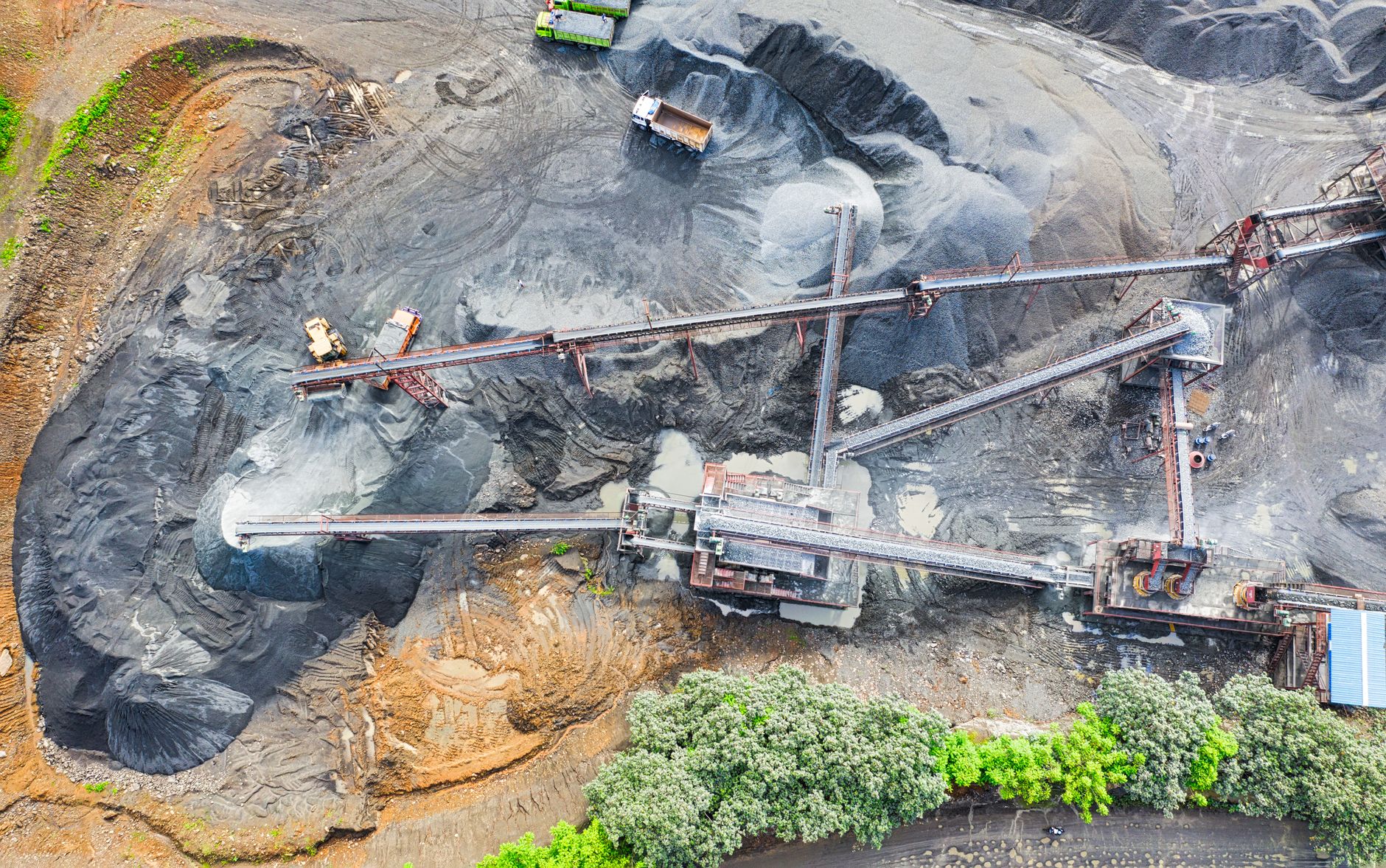
Photo: Malcoln Oliveira / Pexels

Key Highlights

  • Capesize freight rates drop sharply across Pacific and Atlantic routes
  • Supramax vessels retain relative price stability due to cargo flexibility
  • Lower shipping costs may reduce landed iron‑ore prices for steel mills
  • Forging‑grade steel makers must balance raw‑material timing with furnace schedules
  • Kesari Alloys offers a broad portfolio of ingots and billets to hedge freight volatility

Market Shift in Bulk Shipping

Freight rates for Capesize vessels have dropped sharply on both Pacific and Atlantic lanes as global iron‑ore demand weakens. The slowdown stems from subdued steel‑making output in China and a cautious outlook for European construction. While the larger Capesize class—used for bulk commodities such as iron ore and coal—is feeling the pinch, the smaller Supramax segment remains relatively resilient because of its flexibility in serving niche ports and diversified cargo mixes.

Implications for Steel Producers and Forging Supply Chains

Lower transportation costs can translate into modestly lower landed iron‑ore prices for integrated steel mills, but the benefit is often offset by inventory build‑ups and heightened price volatility. For forging‑grade steel manufacturers, the key issue is timing raw‑material purchases against the cost of finished ingots. When freight costs fall, forward‑looking buyers may secure iron‑ore at a discount, yet they must also monitor downstream effects on alloying‑element availability and furnace schedules.

Kesari Alloys Perspective

For a supplier like Kesari Alloys, the freight‑rate dip underscores the value of a flexible sourcing strategy. Our carbon, alloy and stainless steel forging ingots are produced from domestically sourced billets and blooms, allowing us to cushion the ripple effects of volatile overseas shipping costs. Buyers seeking a reliable alloy‑steel forging ingots manufacturer in India should evaluate grade‑specific performance—such as the toughness of 42CrMo4 or the wear resistance of EN8—against any short‑term price swings in raw‑material logistics.

By aligning procurement windows with periods of lower freight, customers can lock in stable pricing for the ingot grades they need while still relying on Kesari Alloys’ consistent product quality and broad grade portfolio.

Kesari Alloys Perspective

The current freight environment offers an opportunity for forging companies to reassess inventory levels and negotiate better terms for raw‑material inputs. Kesari Alloys’ extensive range of forging ingots, forging ingots, and its capability to supply continuous cast billets and blooms, continuous cast billets and blooms, give OEMs the flexibility to adapt to shifting cost structures without compromising material specifications.

Buyers should focus on grades that match their process—open‑die forging, ring rolling or upsetting—and verify that the supplier can meet heat‑treatment and chemical‑composition tolerances. In this context, Kesari Alloys remains a strategic partner for firms seeking high‑grade steel while navigating the ebb and flow of global freight markets.
Why This Matters for Steel Buyers

The plunge in Capesize freight can shave a few dollars off each tonne of iron‑ore, directly lowering the input cost for alloy‑steel production. Buyers should consider locking in raw‑material contracts while freight rates are low, but they must also manage inventory turnover to avoid excess holding costs that erode those savings.

Choosing the right grade remains critical. EN8 carbon steel, for example, is a common choice for forged fasteners, while C45 provides a balanced mix of strength and machinability for shafts. Access to reliable sources like EN8 carbon steel and C45 carbon steel helps buyers align material performance with the cost advantages created by the freight market.

Finally, supplier qualification becomes even more important when logistics are in flux. Verifying that a manufacturer can consistently deliver the required grade, heat‑treatment condition, and certification ensures that short‑term freight savings do not translate into long‑term quality or compliance issues.

Frequently Asked Questions

How do falling Capesize freight rates affect the price of forging steel?
Reduced freight lowers the landed cost of iron‑ore, which can modestly decrease the raw‑material component of forging steel prices, but the effect depends on inventory levels and alloying‑element markets.
Which Kesari Alloys grades are best suited for open‑die forging?
Kesari Alloys’ carbon and alloy grades such as 42CrMo4, SAE 4140, EN8 and C45 are commonly used for open‑die forging, offering the required strength and toughness.
Should I source forging ingots directly from an Indian manufacturer to hedge freight risk?
Sourcing from a domestic supplier like Kesari Alloys can reduce exposure to volatile overseas freight, while still providing a full range of forging ingots and billets that meet global standards.
What is the advantage of buying continuous cast billets for my forging operation?
Continuous cast billets provide consistent chemistry and grain structure, facilitating smoother ring‑rolling and upsetting processes; Kesari Alloys offers such billets to ensure uniform quality.
#steel freight rates #alloy steel manufacturer india #forging ingots #raw material logistics #iron ore shipping
Source reporting: BigMint · original article