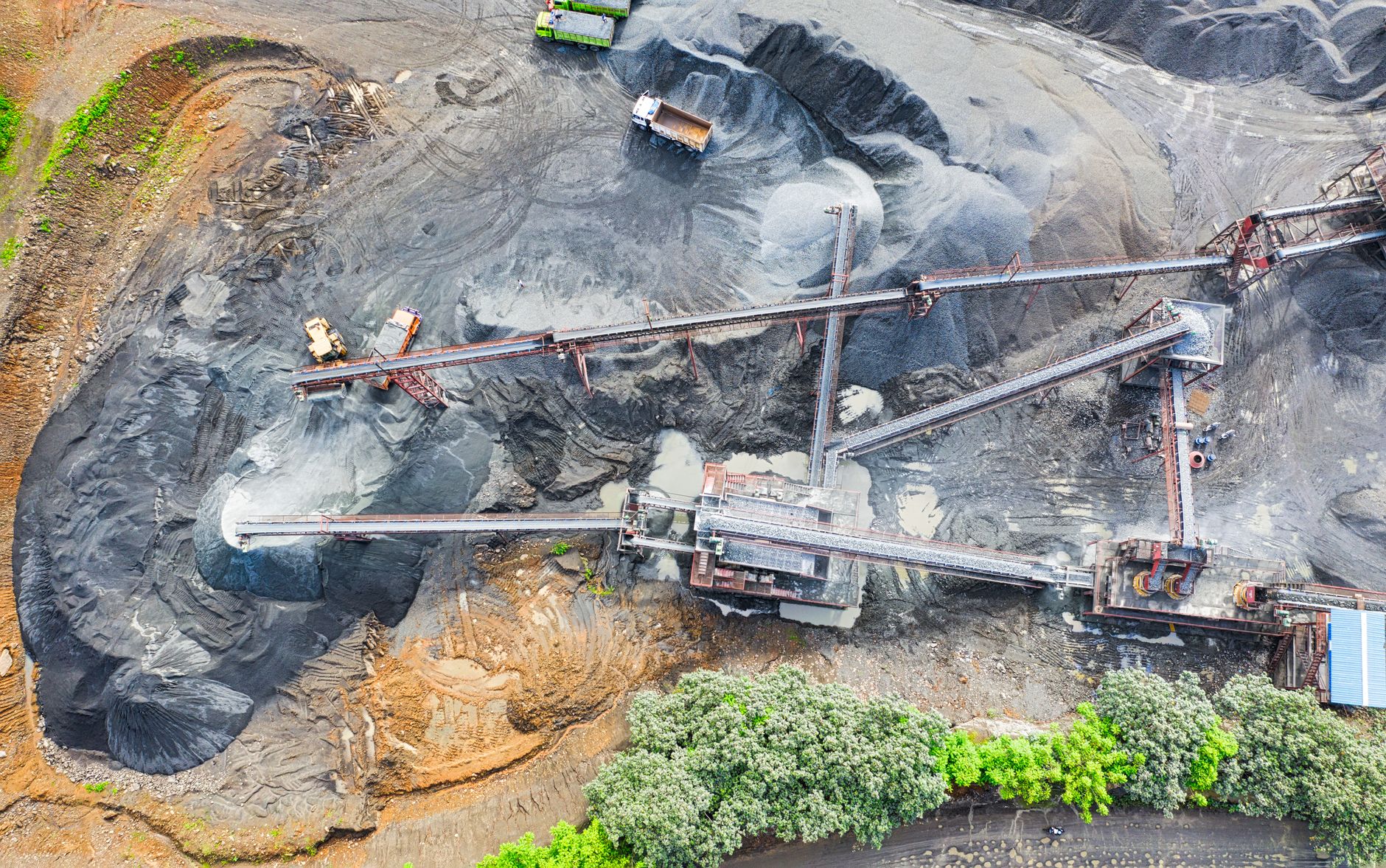
Market Shift in Iron Ore Pricing
Iron‑ore futures have surged toward USD 90 per tonne, driven by tighter export curbs in Brazil and a slowdown in Chinese steel demand. For miners such as Fortescue and BHP, the higher spot price boosts cash flow, but it also tightens the upstream cost structure for downstream fabricators that depend on low‑cost raw‑material inputs.
Implications for the Forging Industry
Forging firms that buy steel billets and ingots will feel the impact before end‑users do. Higher ore costs raise furnace charges for steel producers, and those increases are passed on as price adjustments on alloy and carbon‑steel grades used in open‑die forging, ring rolling and upsetting. Buyers should therefore re‑evaluate material budgets and consider locking in grades that balance performance with cost stability.
A practical first step is to compare the price‑performance of standard grades such as EN8 or C45 against higher‑alloy alternatives before the next procurement cycle. For example, EN8 delivers good tensile strength for gear shafts while remaining relatively inexpensive compared with more heavily alloyed options.
Kesari Alloys Perspective
For a manufacturer like Kesari Alloys, the iron‑ore rally underscores the need for a broad portfolio of forging ingots and billets that can be sourced competitively across the supply chain. Our forging ingots are produced from steel‑making streams that already incorporate the latest cost‑pass‑through mechanisms, allowing customers to select grades such as C45 or EN8 with confidence in price predictability.
In addition, the availability of continuous cast billets and blooms gives OEMs the flexibility to switch between open‑die and ring‑rolling processes without incurring extra material‑handling costs. Buyers looking for an "alloy steel forging ingots manufacturer in India" will find that Kesari Alloys’ diversified grade list and in‑house quality controls help mitigate volatility stemming from raw‑material price swings.