Raw Materials
Iron Ore Price Surge Pressures Indian Forging Input Costs
26 Sep 2026•26 September 2026•1 min read•Source: Google News
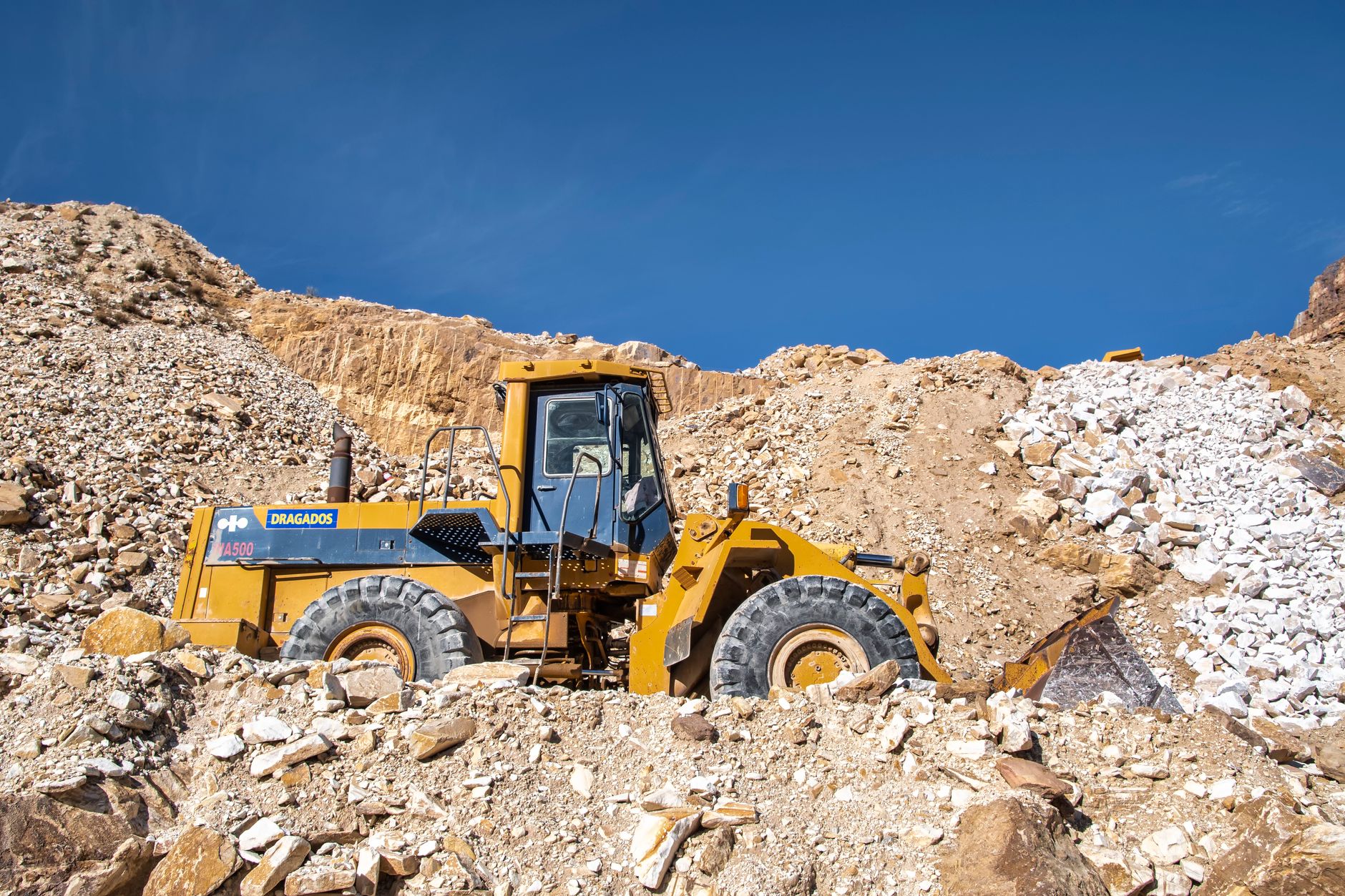
Photo: Enrique / Pexels
Key Highlights
- Iron ore prices rose 12% amid export restrictions and domestic demand.
- Downstream forging grades may see 4‑6% cost increases after the ore surge.
- Inventory management becomes critical for OEMs with tight project timelines.
- Kesari Alloys offers ingots and billets that can mitigate short‑term price shocks.
Market Overview
India’s iron‑ore spot price jumped 12% last week, spurred by tighter export curbs in Brazil and a surge in domestic steel demand for infrastructure projects. The higher raw‑material cost is rippling through the downstream supply chain, especially for manufacturers that rely on high‑grade steel billets and ingots to forge critical components.
Implications for Forging‑Grade Steel Supply
Forging houses that produce crankshafts, gear blanks and pressure‑vessel flanges typically source carbon and alloy steel as ingots or continuous‑cast billets. When ore prices rise, downstream grades such as 42CrMo4 or EN8 tend to follow with a 4‑6% lagged increase, squeezing margins for OEMs locked into long‑term contracts. Buyers must therefore reassess material strategy, weighing inventory levels against the risk of price volatility.
Kesari Alloys Perspective
For a supplier like Kesari Alloys, the ore‑price swing highlights the advantage of a diversified product portfolio. Its forging ingots are produced from a blend of domestic and imported scrap, providing a buffer against raw‑material spikes. Likewise, the continuous‑cast billets and blooms can be stocked in standard dimensions, allowing OEMs to secure critical grades before price hikes occur. Buyers seeking an "alloy steel forging ingots manufacturer in India" should evaluate grade‑specific chemistry and heat‑treatment capabilities that match their design tolerances, while also factoring in the lead‑time flexibility offered by a local source.
Why This Matters for Steel Buyers
Higher ore costs tighten budgets for forging projects, prompting buyers to lock in grades early to avoid sudden price spikes. Securing the appropriate grade—such as EN8 for high‑strength shafts—through a dependable supplier reduces the likelihood of costly re‑work or mid‑project material swaps.
Kesari Alloys’ extensive catalog, showcased in its steel grade family, lets purchasers compare carbon, alloy and stainless options side‑by‑side. This enables buyers to select a material that satisfies both mechanical specifications and cost targets before the next price wave hits.
Frequently Asked Questions
How does a rise in iron ore prices affect the cost of forging ingots?
When ore prices climb, the cost of producing steel ingots rises, which is reflected in higher quotation rates for grades like C45 or EN8 that forging houses use.
Can I secure a fixed price for billets despite ore volatility?
Many suppliers, including Kesari Alloys, offer forward contracts on their [[L2|continuous cast billets and blooms]] to lock in pricing for a defined period.
What grade should I choose for medium‑strength crankshaft forgings?
EN8 carbon steel is a common choice for medium‑strength crankshafts, offering good machinability and toughness when heat‑treated.
Is Kesari Alloys a suitable partner for sourcing alloy steel ingots in India?
Yes, Kesari Alloys manufactures a wide range of carbon, alloy and stainless steel forging ingots, making it a credible option for OEMs seeking local supply.
#iron ore price
#forging ingots
#alloy steel manufacturer india
#continuous cast billets
#steel grade selection
