Market Shift: Iron‑Ore Supply Gains Momentum
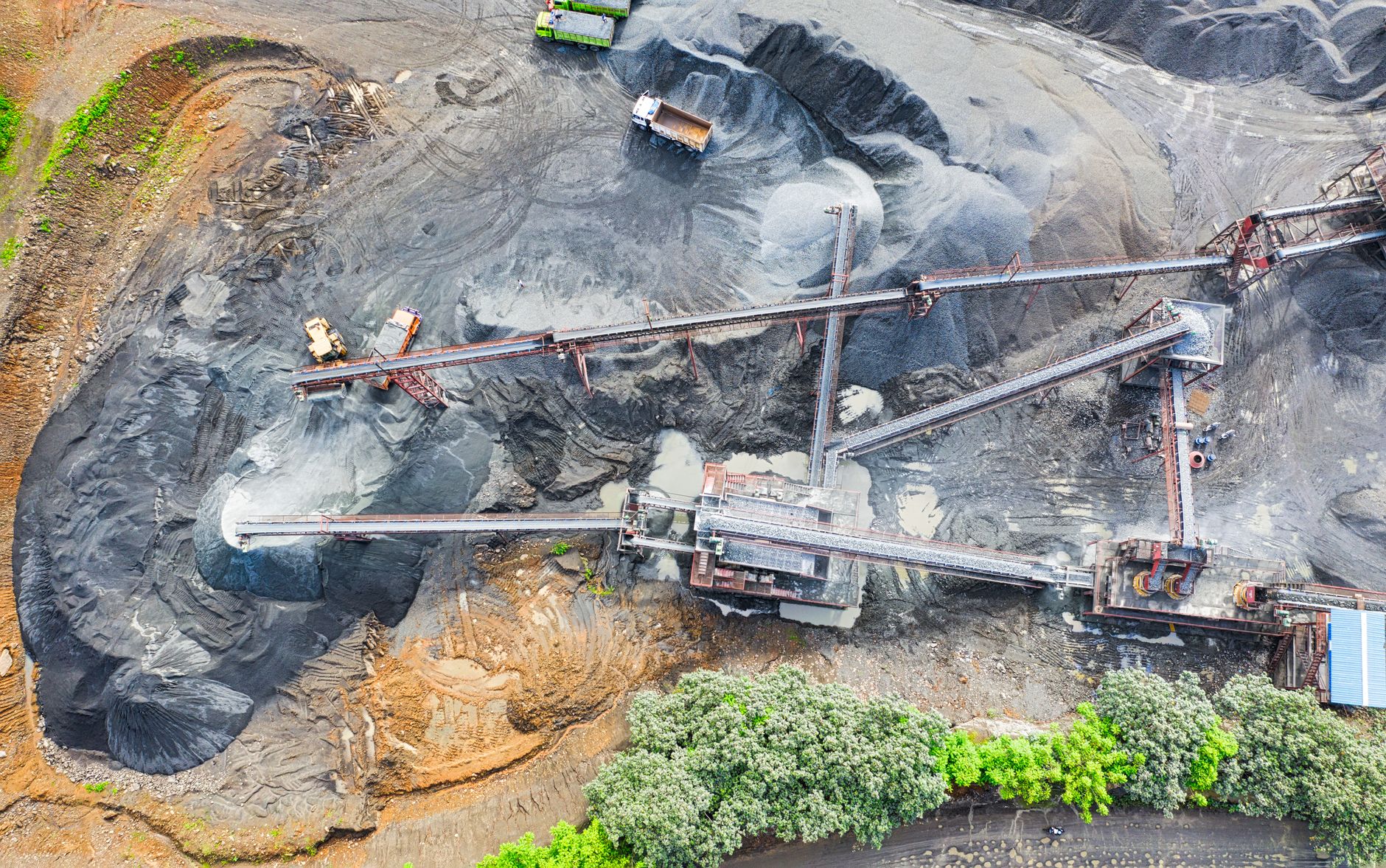
The BigMint forecast of a 19% rise in Indian iron‑ore output by 2026 signals a fundamental shift in the cost structure for steel producers. New pits in Odisha and Jharkhand, together with higher ore grades, are expected to lower the premium paid for high‑carbon billets and low‑alloy feedstock. For forging houses, this narrows the price gap between domestically produced billets and imported sponge iron, improving the economics of open‑die and ring‑rolling operations.
Implications for Forging Grade Selection
Bulk grades such as EN8 and C45 will benefit from reduced raw‑material costs, but specialty alloys used in high‑performance components—most notably 42CrMo4—remain vulnerable to freight constraints. Expanding rail corridors shorten ore‑to‑steel lead times, yet the surge in volume strains existing freight capacity, risking delayed deliveries of time‑critical grades. Buyers should therefore assess inventory buffers and consider sourcing from manufacturers that offer both ingots and billets to streamline logistics. Kesari Alloys’ forging ingots portfolio includes carbon, alloy and stainless grades that can be melted directly into specialty billets, while its 42CrMo4 alloy steel page details the chemistry and heat‑treatment routes suited for aerospace and high‑pressure applications.
Kesari Alloys Perspective
This ore‑supply boost reinforces the value proposition of an integrated forging‑grade steel supplier. With a broad grade family spanning carbon to stainless steels, Kesari Alloys can leverage lower raw‑material costs to offer competitive pricing on both standard and premium grades. Buyers seeking an "alloy steel forging ingots manufacturer in India" should evaluate the consistency of chemical composition, the ability to supply continuous‑cast billets when lead times tighten, and the flexibility to adjust alloying to meet evolving OEM specifications.
