Industry Shift in Ferro‑Alloy Supply
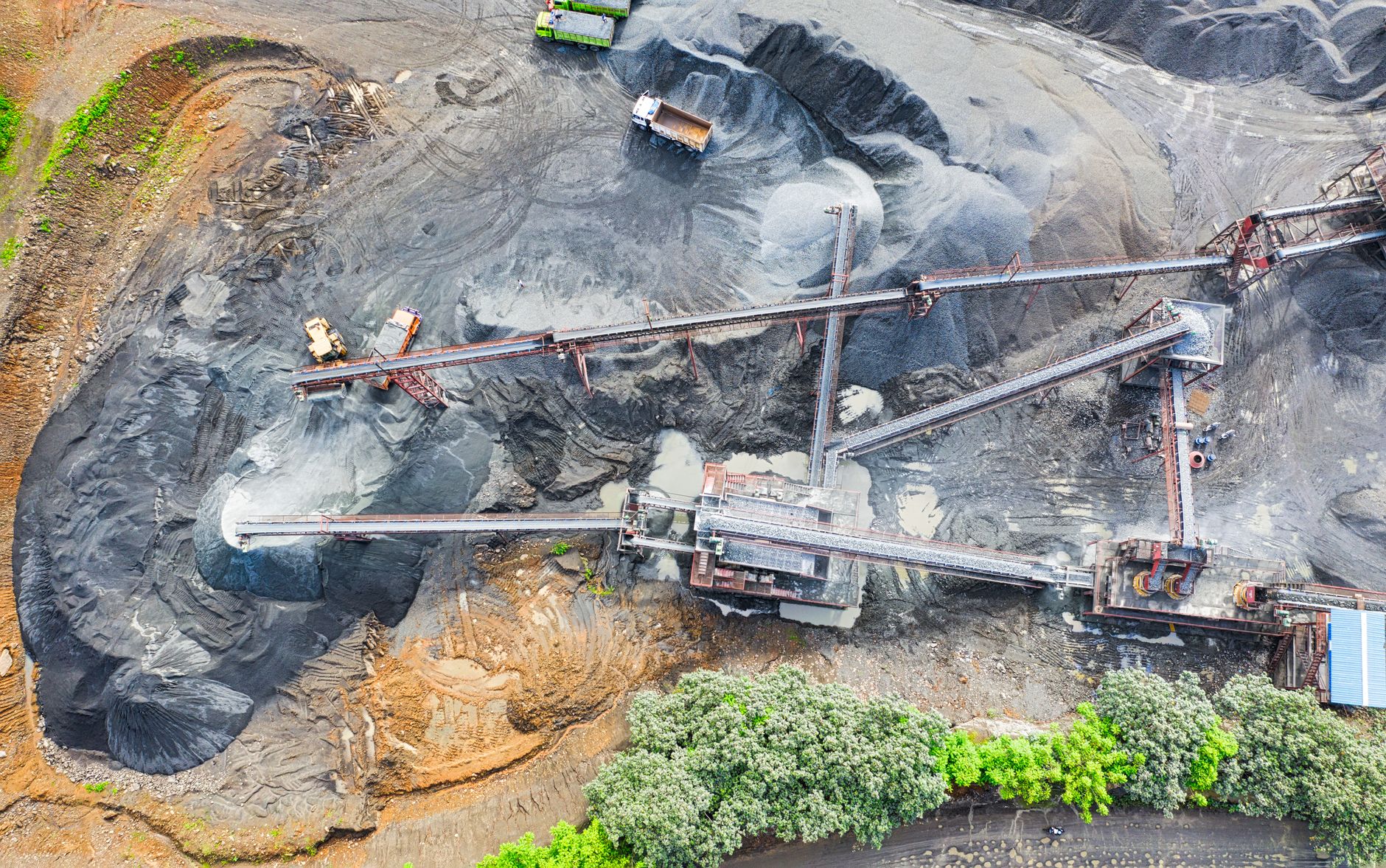
Vedanta’s Ferro Alloys Corporation (FACOR) has announced a 24,000‑ton production run, a volume that exceeds typical quarterly outputs for specialty ferro‑alloys. The scale signals a response to rising demand from automotive and heavy‑engineering OEMs that are re‑tooling for higher‑strength components. This surge usually tightens the availability of downstream forging‑grade steels, especially those used in open‑die and ring‑rolling operations.
Buyers should monitor the ripple effect on alloy‑steel pricing, because higher ferro‑alloy consumption can push up the cost of key alloying elements such as manganese and chromium. The impact will be felt first in grades like 42CrMo4 and SAE‑4140, which are essential for crankshafts, gear shafts and other high‑stress forged parts. Companies that maintain a diversified inventory of ingots and billets will be better positioned to cushion short‑term price spikes.
Strategic Sourcing Considerations
For forging houses, securing a reliable source of high‑quality ingots is critical. Kesari Alloys offers a broad portfolio of forging ingots that meet the chemical tolerances required for both carbon and alloy steels, providing a practical alternative when primary ferro‑alloy supplies tighten. Likewise, their continuous cast billets and blooms deliver ready‑to‑forge feedstock for ring‑rolling and upset forging, helping manufacturers keep production lines running.
Kesari Alloys Perspective
The FACOR production boost underscores the importance of a resilient upstream supply chain. As an Indian manufacturer of carbon, alloy and stainless steel forging ingots, Kesari Alloys can help OEMs and distributors hedge against volatility by offering consistent grade availability and traceable chemistry. Buyers looking for an "alloy steel forging ingots manufacturer in India" should evaluate the full grade matrix, including 42CrMo4 and SAE‑4140, to match component specifications while managing cost exposure.