Steel Prices

Weak Demand Triggers Slip in Indian Scrap, Billet and Rebar Prices

Weak Demand Triggers Slip in Indian Scrap, Billet and Rebar Prices

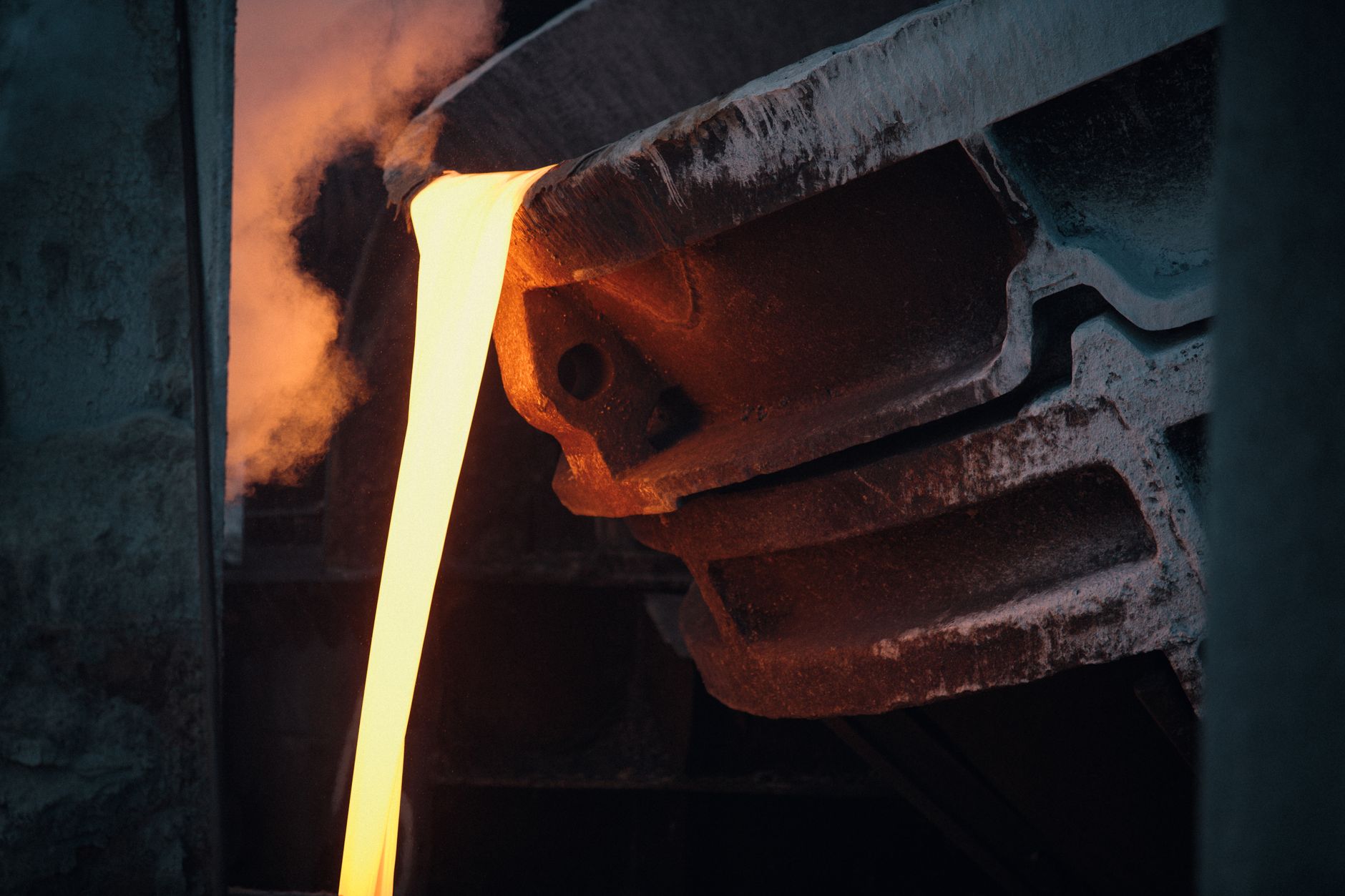
Photo: Bence Szemerey / Pexels

Key Highlights

  • Indian scrap and billet prices fall amid weak construction demand
  • Narrowing price spreads pressure margins for downstream fabricators
  • Critical carbon grades like EN8 and C45 retain relative value
  • Supplier flexibility becomes key as market volatility rises

Market Overview

Recent data show a clear softening of Indian steel prices across scrap, continuous‑cast billets and rebar. A slowdown in construction and a modest dip in automotive output have reduced furnace loadings, leaving excess scrap in the market and pushing billet spot rates lower. Consequently, price spreads between raw‑material scrap and finished products have narrowed, squeezing margins for downstream fabricators.

Implications for Forging and Heavy Engineering

Forging houses and OEMs that depend on high‑grade billet and ingot supplies now face a pricing paradox: lower billet costs improve cost‑of‑goods‑sold, yet the same market weakness can signal weaker order books and longer lead times. Buyers should scrutinise grade‑specific demand – for example, EN8 and C45 carbon steels, staples for gear shafts and crankshafts, may retain modest price resilience because of their critical role in engine components.

Kesari Alloys Perspective

For a supplier like Kesari Alloys, the price dip underscores the value of a broad portfolio that can adapt to shifting demand. Its forging ingots cover carbon, alloy and stainless grades suitable for open‑die forging, ring rolling and upsetting, allowing customers to lock in material quality even when market prices fluctuate. Likewise, the continuous cast billets and blooms line provides the raw stock needed for ring‑rolling and pre‑forging operations, giving manufacturers flexibility to manage inventory costs.

Buyers seeking an "alloy steel forging ingots manufacturer in India" should evaluate a supplier’s grade depth, traceability and ability to supply both standard (e.g., EN8, C45) and specialty alloys without compromising lead‑time. Kesari Alloys’ long‑standing presence since 1987 and its integrated Bhiwadi facility make it a reliable partner for firms navigating the current price volatility.

Why This Matters for Steel Buyers

The decline in billet and scrap rates creates an opening to negotiate better terms on high‑volume orders, but it also hints at a slowdown in downstream demand. Buyers should refine inventory strategies—secure core grades such as EN8 for gear applications while monitoring lead times for specialty alloys that may become scarce.

When qualifying a supplier, prioritize a manufacturer that can deliver both standard grades and engineered alloys required for specific forging processes. Kesari Alloys’ extensive steel grade family catalog ensures customers can source everything from carbon to tool steels from a single, trusted source.

Frequently Asked Questions

How does the current price decline affect the cost of forging ingots?
Lower scrap and billet prices can reduce the raw material cost of forging ingots, but buyers should verify that the supplier maintains consistent chemistry and heat‑treatment specifications.
Which steel grades are most resilient in a weak market?
Grades with high mechanical demand such as EN8 and C45 often hold value better because they are essential for critical components like shafts and gears.
What should a buyer look for when selecting a forging ingot supplier in India?
Look for a supplier with a broad grade portfolio, proven traceability, and the ability to deliver both standard and specialty alloys – qualities demonstrated by Kesari Alloys.
Can I source both billets and rolled bars from the same manufacturer?
Yes, many manufacturers, including Kesari Alloys, offer continuous cast billets and rolled bars, allowing streamlined procurement and consistent material quality.
#steel prices india #scrap market #billet pricing #alloy steel manufacturer india #forging ingots
Source reporting: SteelRadar · original article