Steel Prices

Sponge Iron Price Dip Pressures Forging Material Costs in India

Sponge Iron Price Dip Pressures Forging Material Costs in India

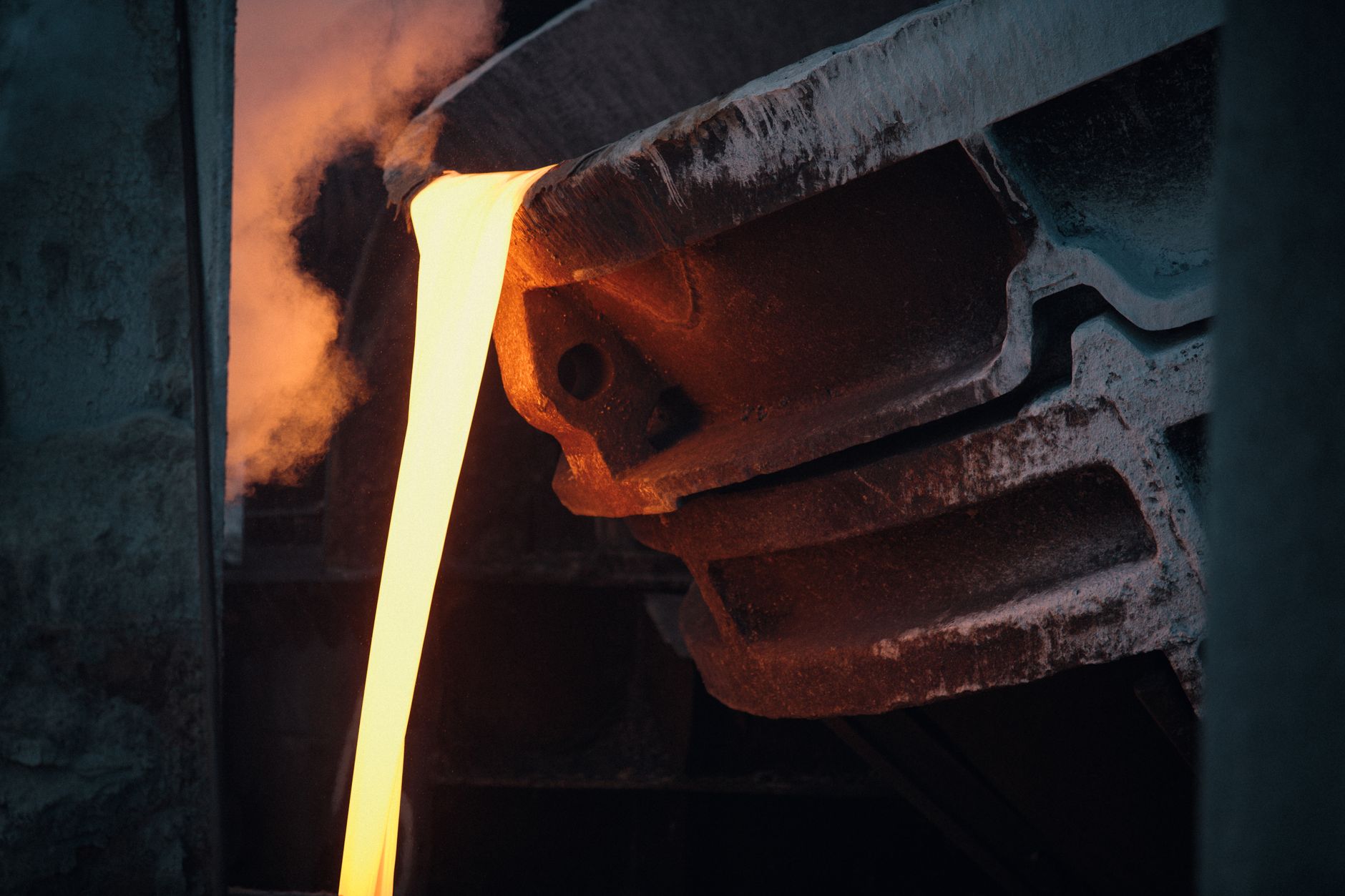
Photo: Willians Huerta / Pexels

Key Highlights

  • Sponge iron prices fell INR 50‑300/t amid weak buyer demand
  • Raw‑material cost pressure may lower carbon steel forging ingot prices
  • Alloying element volatility can offset sponge iron savings
  • Buyers should focus on grade performance and supplier flexibility
  • Kesari Alloys offers a full suite of forging ingots, billets and bars

Market Shift: Sponge Iron Prices Fall

The recent slide of INR 50‑300 per tonne in Indian sponge‑iron spot rates signals a slowdown in downstream demand, especially from steel mills that feed the forging supply chain. Buyers are holding back while they await clearer signals on automotive production and capital‑goods orders, which keeps the market subdued.

Implications for Forging‑Grade Steel Procurement

Lower sponge‑iron costs can translate into modest savings on the raw‑material component of carbon and alloy steels used for open‑die forging, ring rolling and upsetting. The benefit, however, is not linear; steelmakers must weigh reduced input costs against possible price volatility in alloying elements such as nickel and chromium. For OEMs and distributors, the priority is to lock in grades that meet the mechanical requirements of critical components while capturing any cost edge.

Kesari Alloys Perspective

For a manufacturer like Kesari Alloys, the price dip underscores the value of offering a broad portfolio of forging ingots that can be sourced competitively. Buyers searching for "alloy steel forging ingots manufacturer in India" should evaluate the chemistry and heat‑treatment specifications of each grade rather than focusing solely on raw‑material price swings. Kesari Alloys provides detailed grade data for carbon, alloy and stainless steels, enabling engineers to select the optimal material for performance and cost.

In practice, a buyer might pair a lower‑cost C45 ingot for non‑critical shafts with a higher‑strength 42CrMo4 alloy for high‑stress applications, thereby managing overall spend while maintaining reliability. The breadth of grades and the availability of continuous‑cast billets and rolled bars give customers flexibility to fine‑tune their supply chain in a fluctuating market.

Kesari Alloys Perspective

These market dynamics highlight why a supplier with a deep grade library and the ability to deliver both forging ingots and downstream forms such as continuous cast billets and blooms is valuable. Companies can reduce handling steps and inventory buffers, converting raw‑material savings into tangible cost‑per‑part improvements.

Why This Matters for Steel Buyers

When sponge‑iron prices retreat, the direct effect is a lower cost base for carbon‑steel grades used in forging. Savvy purchasers can negotiate better terms for ingots like forging ingots or lock in price‑stable billets to hedge against future raw‑material spikes.

Timing is crucial: securing inventory now shields projects from the next price swing, while choosing the appropriate grade—C45 for general‑purpose shafts or EN8 for high‑strength fasteners—ensures that cost savings do not erode component life or reliability.

Related from Kesari Alloys: rolled bars.

Frequently Asked Questions

How does the sponge iron price decline affect the cost of forging ingots?
Lower sponge iron reduces the raw‑material component of carbon and alloy steel ingots, potentially lowering overall ingot prices, but alloying element costs may still influence final pricing.
Should I switch to a different grade to capture the price benefit?
Consider grades that meet your mechanical requirements; for example, C45 can be a cost‑effective choice for medium‑strength parts, while higher‑strength alloys remain necessary for critical applications.
What sourcing advantage does Kesari Alloys provide in this environment?
Kesari Alloys offers a wide range of forging ingots, continuous cast billets and rolled bars, allowing buyers to source the exact grade needed while benefiting from the company's integrated Indian manufacturing base.
Is it better to buy ingots now or wait for further price movements?
Given the current muted demand, securing inventory now can lock in lower raw‑material costs and avoid potential future spikes in alloying elements.
#sponge iron price decline #forging ingots #alloy steel manufacturer india #steel grade selection #continuous cast billets
Source reporting: BigMint · original article