Market Shift in Dry Bulk Freight
Over the past week, Capesize vessel charter rates have slipped as global crude‑oil prices fell. The softer freight market trims the landed cost of bulk raw materials such as iron ore and scrap—key inputs for steel producers. For forging‑grade steel manufacturers, this timing coincides with a seasonal dip in automotive and heavy‑engineering demand, creating a brief window to lock in raw‑material shipments on more favourable terms.
Implications for Forging Steel Supply Chains
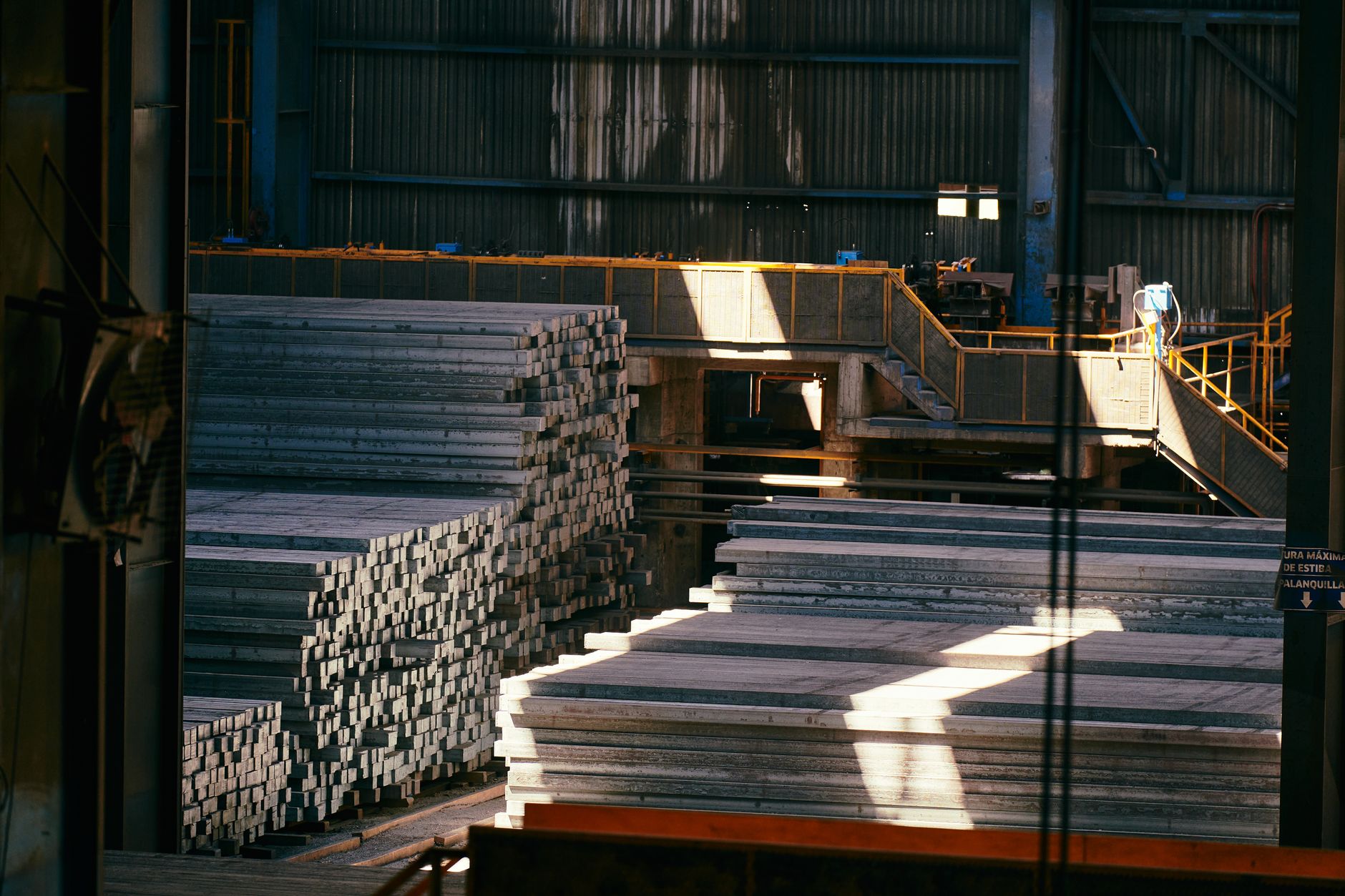
Reduced freight expenses improve the economics of high‑integrity forging ingots and billets. When transport costs fall, manufacturers can pass savings to OEMs and distributors, narrowing the price gap between carbon and alloy grades. Buyers focused on open‑die forging or ring‑rolling should revisit inventory plans, as the cost advantage may evaporate if freight rates rebound with renewed bulk‑carrier demand.
For companies sourcing material in India, the domestic logistics network remains robust, and the easing of overseas freight pressure makes imported alloy ingots more price‑competitive. Selecting a supplier with a broad grade portfolio—such as forging ingots—allows buyers to match exact mechanical requirements while benefiting from the current cost environment.
Kesari Alloys Perspective
Kesari Alloys, based in Bhiwadi, Rajasthan, produces a wide range of carbon, alloy and stainless steel forging ingots suitable for open‑die forging, ring rolling and upsetting. The present dip in bulk‑freight rates can lower the overall landed cost of these ingots, making them an attractive option for OEMs seeking to balance performance and price. Buyers should verify grade specifications against design criteria and consider larger batch orders to lock in the current freight advantage.
In addition to ingots, Kesari Alloys offers continuous‑cast billets and blooms and rolled bars that complement forging operations, providing a seamless material flow from billet to final shafting. Leveraging a single trusted supplier streamlines qualification processes and shortens lead times, especially when freight markets are volatile.