Impact of Vale’s Production Decline on Steelmaking
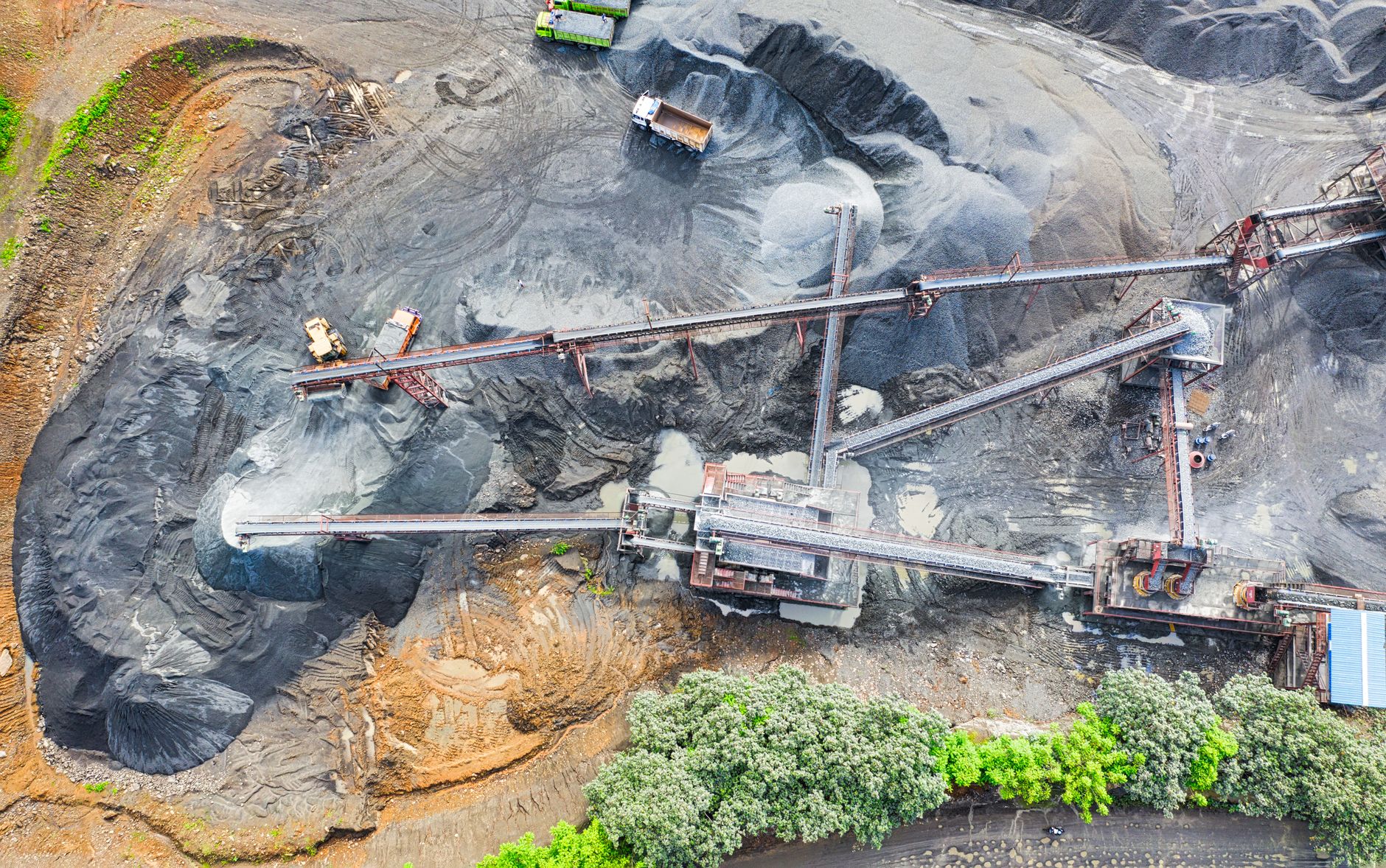
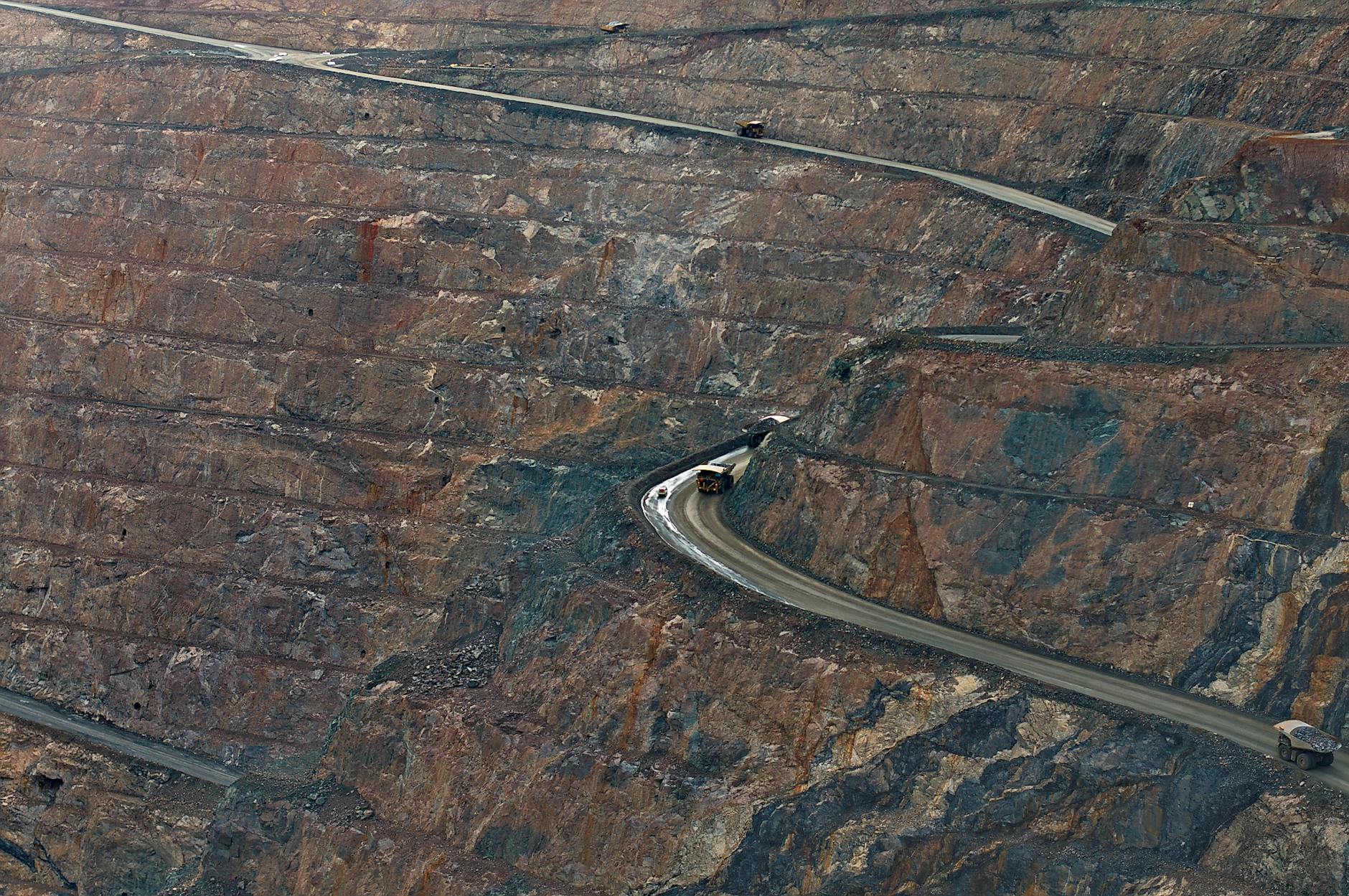
Vale’s announcement of a 6% year‑on‑year fall in iron‑ore output for Q3 CY’26 signals tighter raw‑material margins for downstream steelmakers in the coming months. Iron ore is the primary feedstock for blast‑furnace steel, and any shortfall typically forces furnace operators to optimise charge mixes, favouring higher‑grade alloys that can be produced with lower scrap ratios. For forging‑grade steel producers, this means securing consistent supplies of both carbon and alloying elements while managing cost volatility.
In India, where automotive and heavy‑engineering sectors are expanding, manufacturers often hedge against raw‑material swings by diversifying input sources and selecting steel grades that balance performance with cost. The current market dynamic may accelerate interest in grades that deliver superior mechanical properties without excessive alloy content, such as medium‑carbon steels used in crankshafts and gear blanks.
Forging‑Grade Steel Landscape Amid Raw‑Material Constraints
With iron‑ore supply under pressure, steel producers are re‑evaluating their product portfolios. Forging ingots that support open‑die forging, ring rolling and upsetting are especially sensitive because they require tight chemistry control to meet demanding fatigue and toughness specifications. Buyers should assess a supplier’s ability to deliver consistent grade chemistry across a broad catalogue, such as the extensive steel grade family offered by Indian manufacturers.
For customers needing bulk material for large‑scale forging, continuous‑cast billets and blooms remain a cost‑effective feedstock. These semi‑finished shapes allow downstream forging houses to optimise heating cycles and reduce scrap, a critical advantage when raw‑material prices are volatile. Selecting a supplier with proven capability in producing high‑quality continuous cast billets can help mitigate the impact of ore‑price spikes.
Kesari Alloys Perspective
For a forging‑grade steel manufacturer like Kesari Alloys, Vale’s output dip underscores the importance of a diversified raw‑material strategy and a robust product range. Kesari Alloys’ portfolio of carbon, alloy and stainless steel forging ingots, together with its continuous‑cast billets, enables customers to source the exact grade they need—whether it’s a high‑strength 42CrMo4 for aerospace‑grade components or a more economical C45 for automotive shafts—without compromising chemistry or delivery reliability. Buyers should evaluate a supplier’s breadth of grades and its ability to provide consistent alloy‑steel forging ingots in India, especially when global ore supplies tighten.