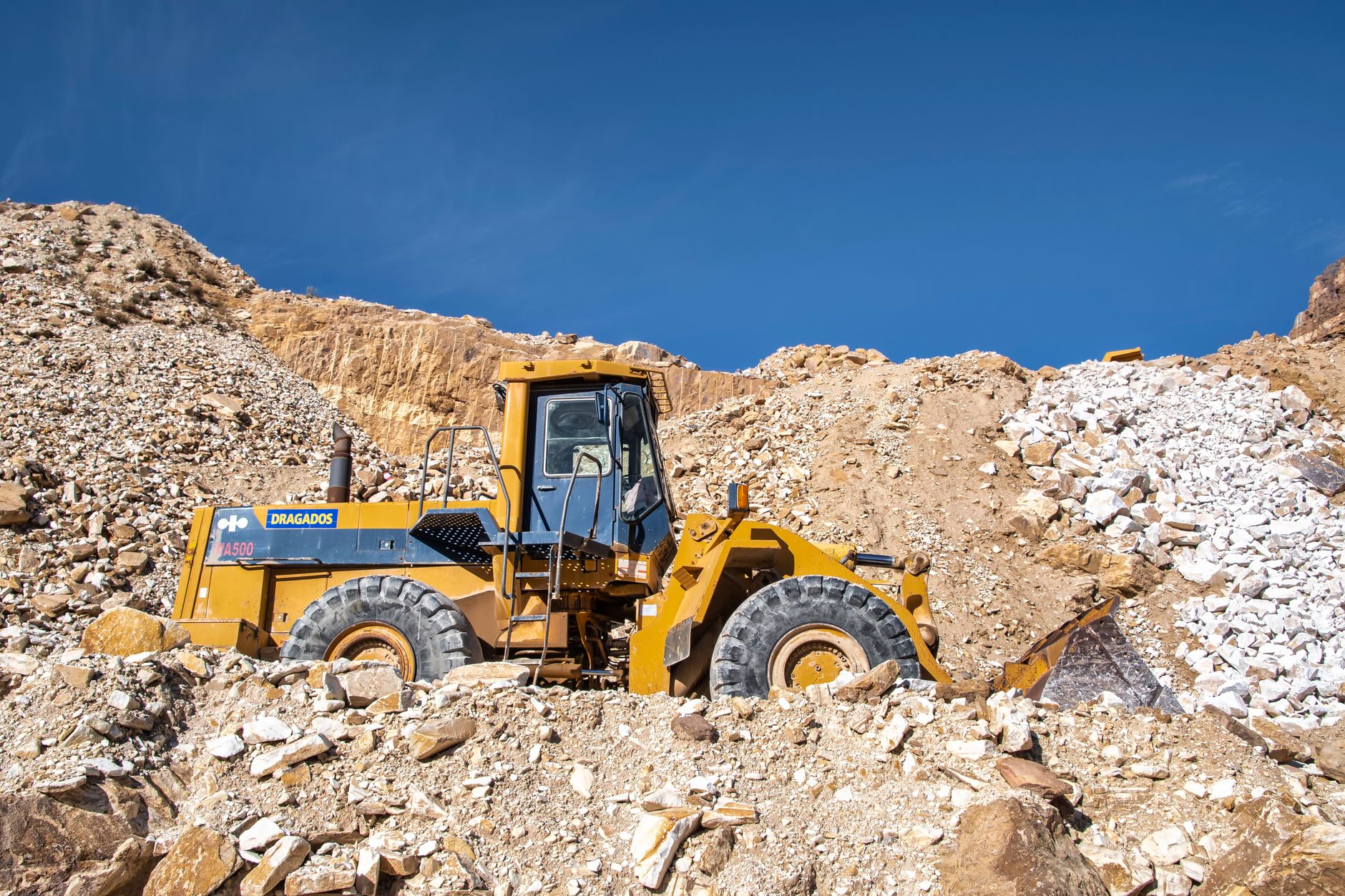
Market Shift and Its Ripple Effect
BigMint reports a week‑over‑week decline in the low‑grade iron‑ore export index, signalling weaker demand from downstream sectors such as construction and automotive. The slowdown stems from softer global steel orders and tighter credit conditions in key consuming economies. As ore prices ease, manufacturers that depend on high‑volume, low‑cost feedstock must reassess their material strategies.
For forging and heavy‑engineering firms, a dip in cheap ore can translate into lower billet and ingot costs—provided the supply chain can deliver consistent chemistry. Variations in manganese or sulfur, which are common in low‑grade ore, may affect the final properties of alloy steels used for crankshafts, gear blanks, and pressure vessels. Buyers therefore need to verify that their steel supplier can offset these fluctuations through controlled melting and secondary refining.
Strategic Sourcing in a Volatile Raw‑Material Landscape
Companies that source forging‑grade steel in India should prioritize manufacturers with a proven record of managing ore‑quality variations. Kesari Alloys, an established Indian producer of carbon, alloy and stainless steel forging ingots, offers a wide portfolio that includes grades tolerant to minor compositional shifts while still meeting open‑die forging, ring‑rolling and upsetting requirements. Their forging ingots are produced from carefully alloyed melt blocks, ensuring that even when low‑grade ore prices dip, the final product retains the mechanical integrity required for high‑stress applications.
Customers seeking specific carbon‑steel characteristics can also consider the well‑documented C45 carbon steel grade, which balances hardness and machinability—attributes that remain critical despite raw‑material price swings.
Kesari Alloys Perspective
The recent weakness in low‑grade iron‑ore exports underscores the importance of a supplier that can absorb raw‑material volatility without compromising grade consistency. For a forging‑grade steel manufacturer like Kesari Alloys, this environment reinforces the value of integrated melting practices and a diversified grade catalogue. Buyers searching for an "alloy steel forging ingots manufacturer in India" will find that Kesari’s ability to produce both ingots and downstream billets positions it to meet fluctuating demand while maintaining tight chemical controls.
Ultimately, the market dip offers an opportunity for savvy OEMs and distributors to negotiate better terms on forging ingots and related products, provided they partner with a supplier that demonstrates robust quality assurance across the entire steel‑making chain.