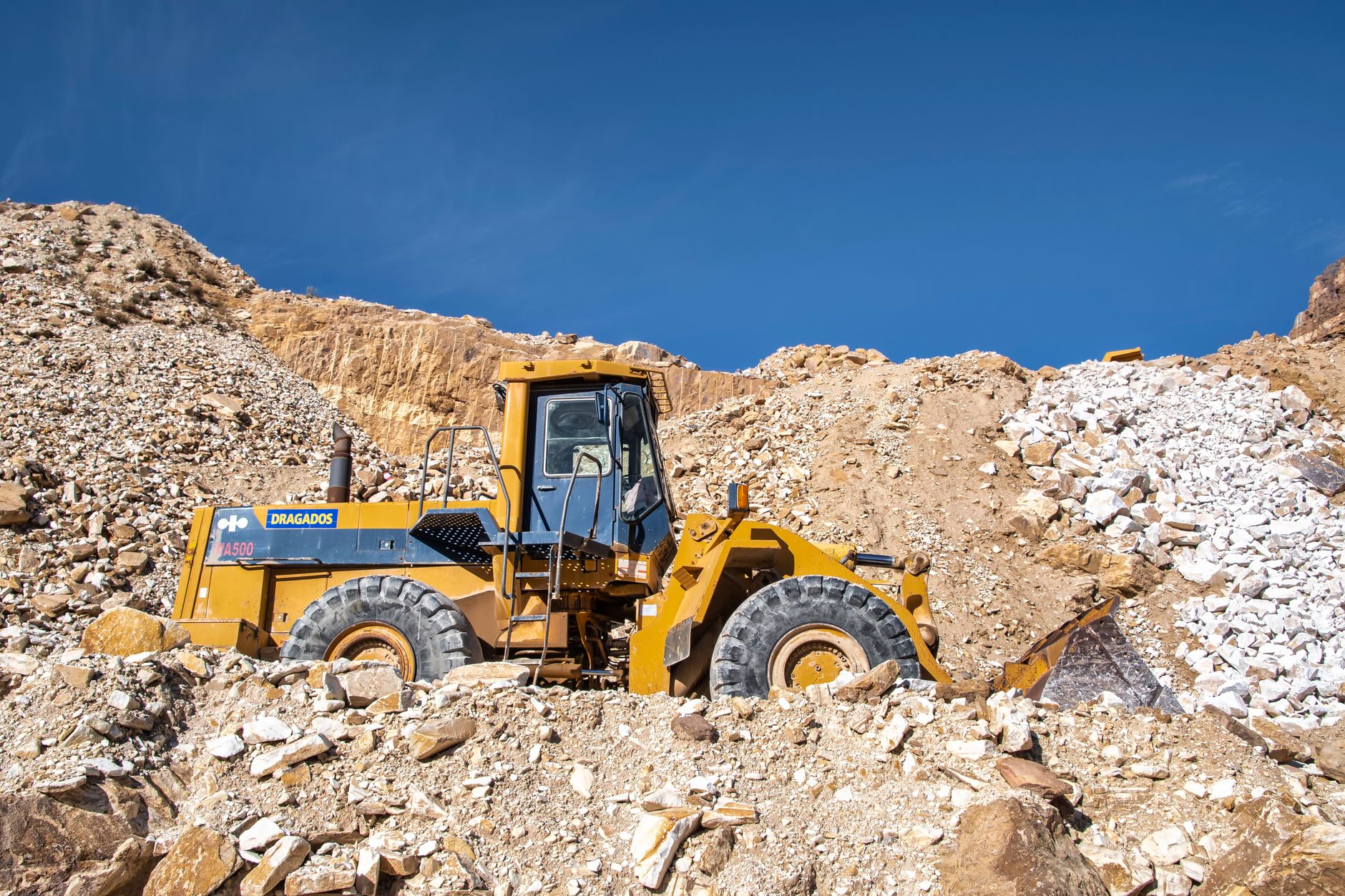
Market Impact of the Karnataka Iron Ore Auction
The recent NMDC announcement to auction more than 130,000 t of iron ore from Karnataka adds a sizable new supply stream to India’s raw‑material market. Although the ore is earmarked mainly for domestic steel mills, the additional feedstock can lower billet and ingot production costs for downstream manufacturers. For forging companies, a dip in steel‑making input prices often squeezes margins on high‑grade alloy ingots, prompting buyers to reassess material budgets and inventory strategies.
At the same time, the auction highlights the geographic diversification of India’s ore base, reducing reliance on traditional mines in Odisha. This diversification may ease regional logistics bottlenecks and shorten lead times for steel producers serving the automotive, power and heavy‑engineering sectors. Buyers who source from Indian forging‑grade steel manufacturers should watch the auction results for price signals that could affect specialty grades such as 42CrMo4 or EN8.
Implications for Forging‑Grade Steel Supply
Forging‑grade ingots and billets are highly sensitive to melt quality, which is directly linked to ore composition and furnace practices. An influx of Karnataka ore, known for its relatively low phosphorus content, can improve the cleanliness of grades used in open‑die forging and ring‑rolling. Companies like Kesari Alloys, an established Indian manufacturer of carbon, alloy and stainless steel forging ingots, can leverage this feedstock to maintain tight chemical tolerances across their product range. Buyers seeking reliable sourcing should verify that a supplier’s melt‑control processes align with their critical applications.
For customers needing near‑net‑shape material, continuous‑cast billets remain a cost‑effective alternative to ingots, especially when downstream rolling facilities are available. Kesari Alloys offers a portfolio of continuous cast billets and blooms that cater to forging, ring‑rolling and rolling operations, adding flexibility to the supply chain.
Kesari Alloys Perspective
For a forging‑grade steel manufacturer such as Kesari Alloys, the Karnataka ore auction presents an opportunity to secure a stable, low‑phosphorus feedstock that supports the production of high‑quality ingots and billets. This stability helps the company meet the stringent specifications demanded by automotive and heavy‑engineering OEMs.
Buyers should assess grade‑specific offerings—like the widely used C45 carbon steel—against their performance requirements and price expectations. Partnering with an Indian alloy‑steel forging‑ingot manufacturer that can provide both ingot and billet options enables a more resilient sourcing strategy amid fluctuating raw‑material markets.
