Market Overview
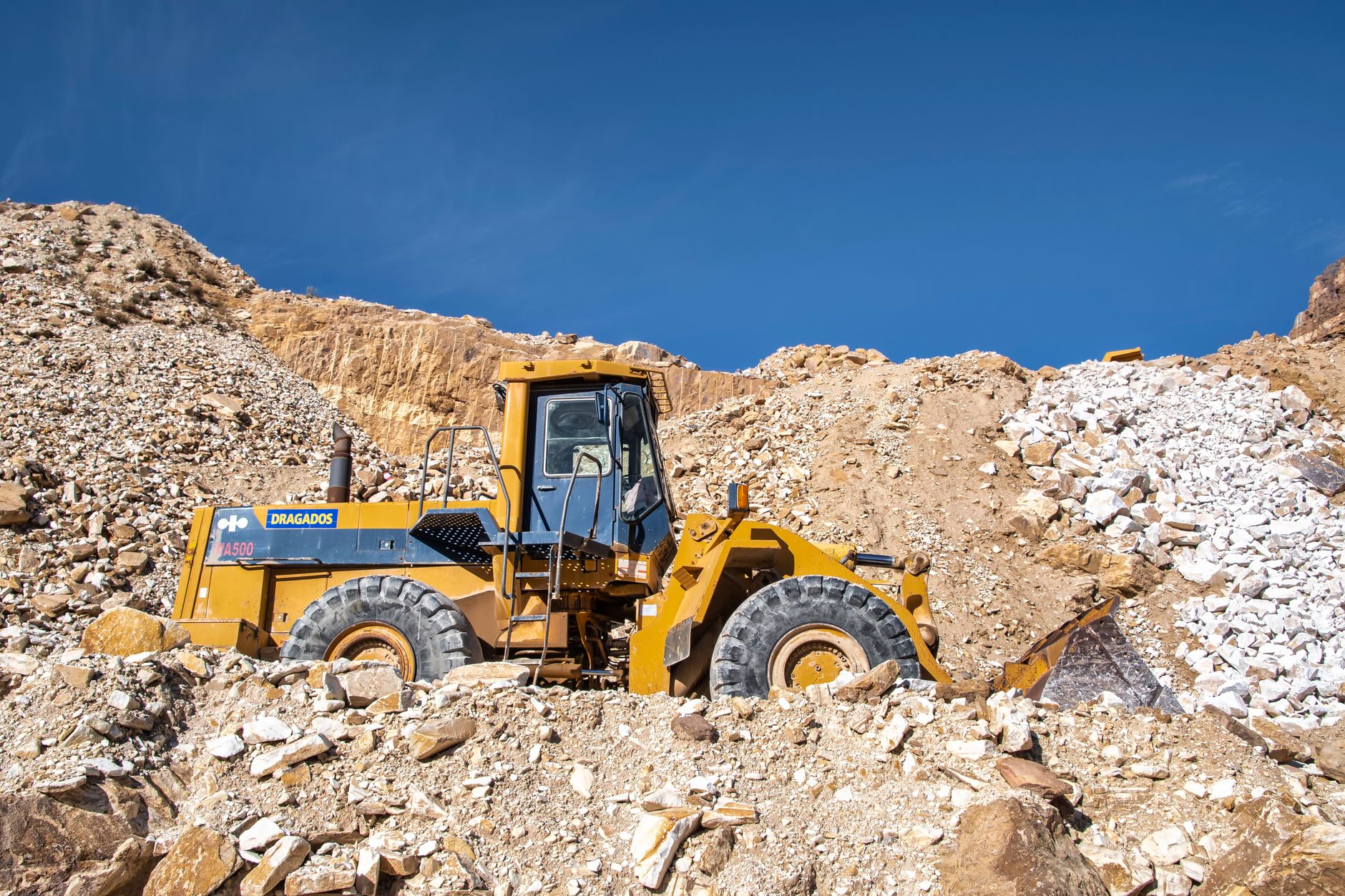
India’s major iron‑ore producing states are operating well below capacity, tightening raw‑material supplies as the government pursues its 2047 steel‑production target. The shortfall is already nudging ore prices upward, which will ripple through downstream steel costs, especially for high‑grade alloy and carbon steels used in forging.
Implications for Forging‑Grade Steels
Forging firms that depend on consistent alloy chemistry for open‑die, ring‑rolling or upsetting operations must now scrutinise the cost impact of higher ore inputs. Grades such as 42CrMo4, SAE 4140 and other alloy steels become more expensive, prompting OEMs to re‑evaluate inventory buffers and consider grade substitutions. Buyers should prioritize suppliers that can guarantee chemical consistency across batches—a critical factor for fatigue‑critical components.
For companies seeking a reliable source of forging ingots in India, forging ingots from a domestic manufacturer with a long‑standing track record can mitigate supply‑chain risk. Likewise, continuous‑cast billets and blooms provide a seamless feedstock for ring‑rolling lines, reducing melt‑turnover time and material waste.
Kesari Alloys Perspective
Kesari Alloys, operating out of Bhiwadi, Rajasthan, manufactures carbon, alloy and stainless steel forging ingots as well as continuous‑cast billets and rolled bars. The current ore‑price environment underscores the value of sourcing from a supplier that controls the full melt‑to‑ingot process, ensuring grade fidelity and traceability. Buyers looking for specific carbon‑steel grades such as C45 or EN8 can reference the broader steel grade family to select the right alloy for their forging application while managing cost exposure.
In practice, a forging OEM might choose Kesari’s ingots for open‑die projects and pair them with continuous‑cast billets for ring‑rolling, creating a cost‑effective, inventory‑friendly workflow that absorbs raw‑material price swings.

