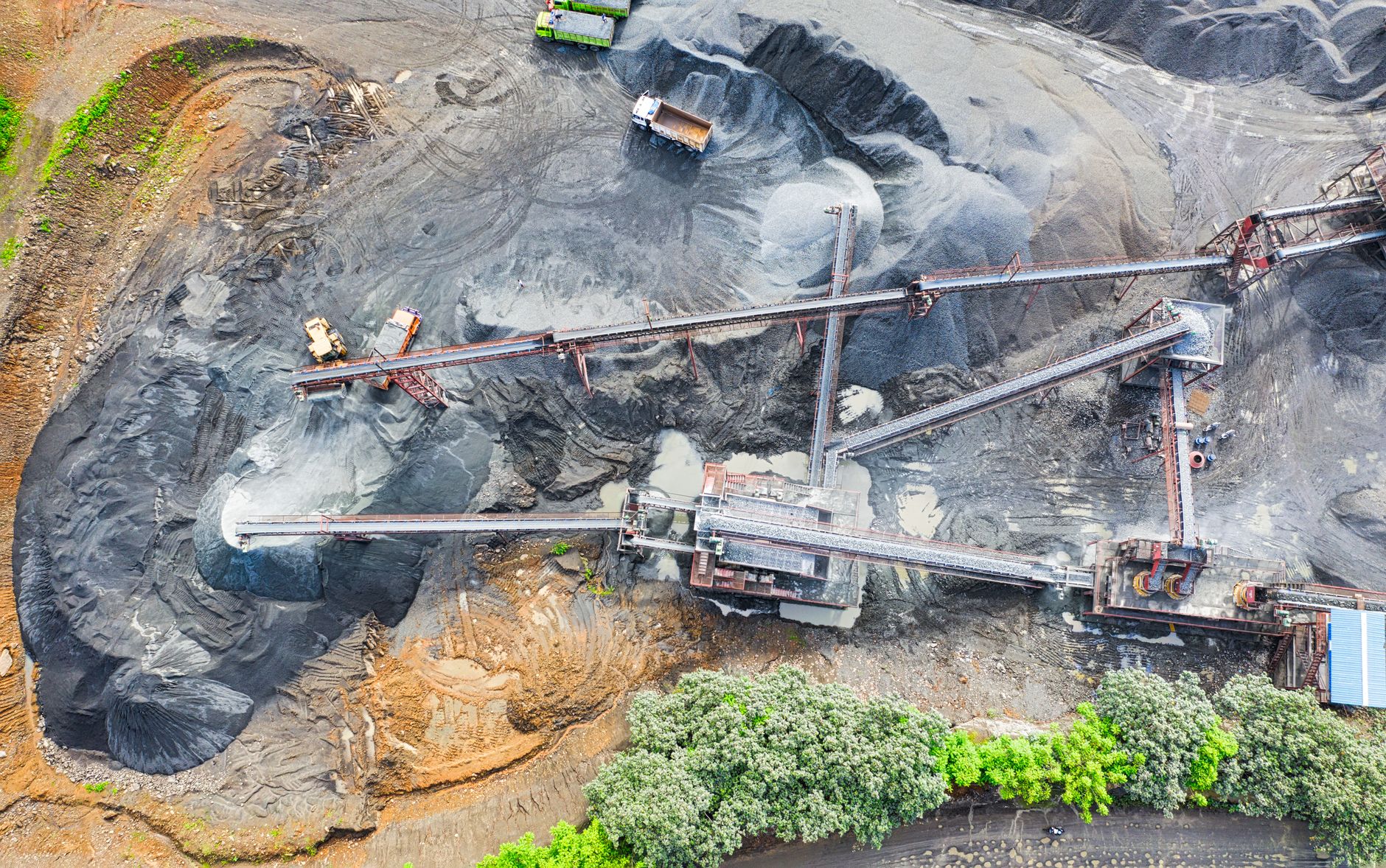
Import Trend and Its Ripple Effect
Turkey’s pig‑iron imports rose 9.6 % between January and September, even though September recorded a sharp dip. The increase reflects a deliberate effort by Turkish foundries to build raw‑material buffers against volatile furnace‑scrap markets and tightening logistics in the Black Sea region. For manufacturers that rely on a steady feedstock of high‑grade pig iron—particularly those producing alloy and carbon‑steel forgings—this trend signals a potential shift in cost structures and lead times for downstream products.
Higher pig‑iron availability usually translates into lower furnace charges for grades such as 42CrMo4, 4140 or EN8, but the benefit is uneven. Suppliers that blend pig iron with scrap to achieve precise chemistry for open‑die forging or ring‑rolling may still incur premiums for alloying elements. Buyers should therefore track not only the headline import volume but also the composition of the imported pig iron, because it directly influences the quality of forging ingots and billets they receive.
Implications for Forging Material Sourcing
Companies sourcing forging steel in India or the broader region can reduce exposure by partnering with manufacturers that offer a wide grade portfolio and flexible product forms. Kesari Alloys provides a full suite of forging ingots suitable for open‑die, ring‑rolling and upsetting, as well as continuous‑cast billets that can be rolled to precise dimensions without additional heating cycles. For applications where carbon content and machinability are critical—such as crankshafts or gear blanks—grades like C45 carbon steel remain a cost‑effective choice, especially when pig‑iron costs soften.
Kesari Alloys Perspective
For a forging‑grade steel manufacturer like Kesari Alloys, Turkey’s pig‑iron surge underscores the importance of maintaining a diversified raw‑material base. By sourcing pig iron from multiple ports and blending it with controlled scrap, Kesari can keep the chemistry of its ingots and billets within tight tolerances, ensuring that customers receive consistent quality for demanding applications.
Buyers looking for an "alloy steel forging ingots manufacturer in India" should evaluate a supplier’s ability to adjust alloy content quickly and to offer both ingot and billet forms. Kesari’s integrated product range—from carbon to stainless and tool steels—allows OEMs and distributors to consolidate their sourcing, reduce inventory complexity, and respond faster to market price swings.