Industry Outlook
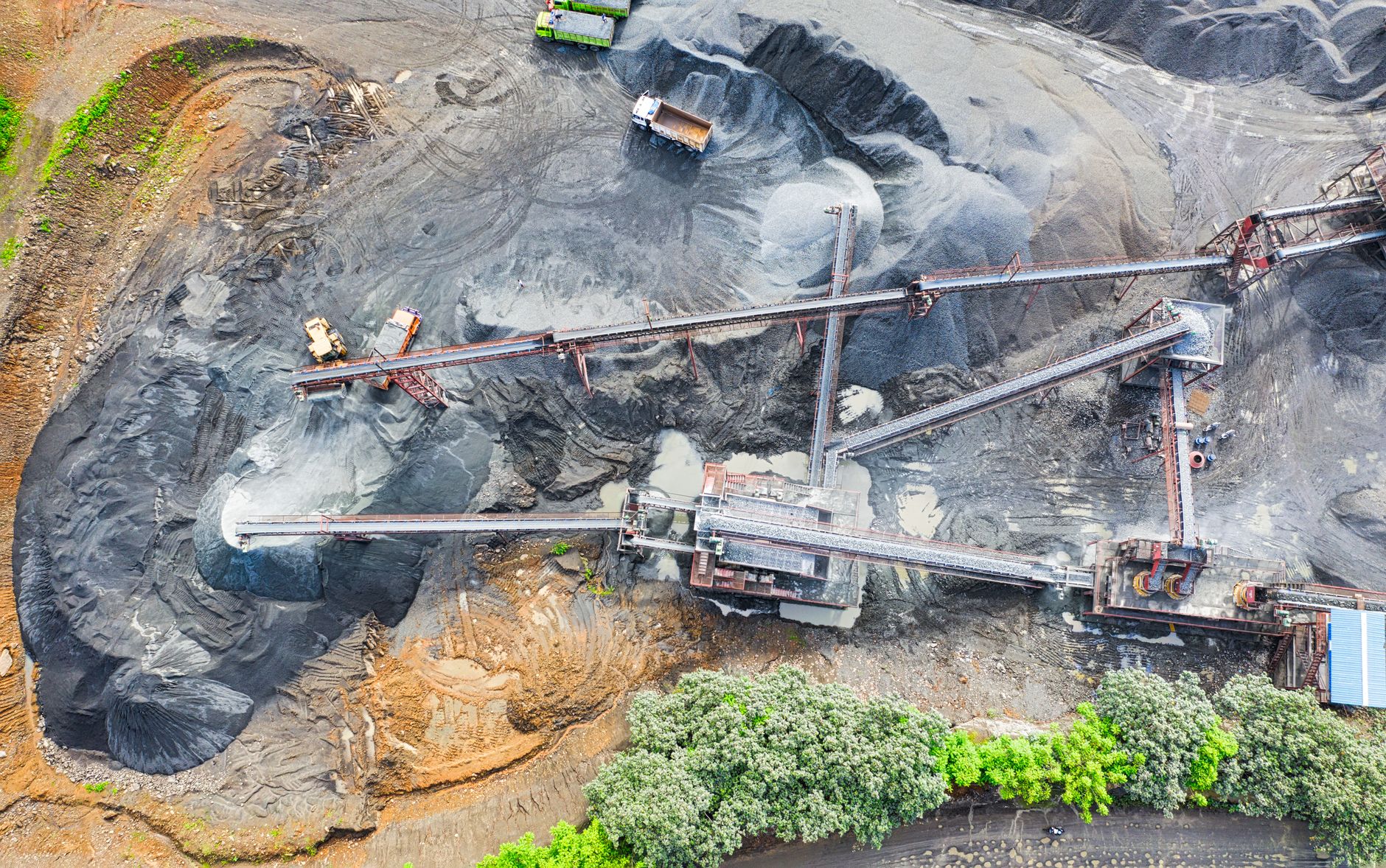
The recent editorial on rationalising royalty for low‑grade iron ore argues that a flatter fee structure would encourage beneficiation and higher recovery rates. By reducing the cost penalty on ores below 55% Fe, miners can invest in modern crushing‑grinding‑magnetite‑separation lines, turning previously marginal deposits into a reliable feedstock for steelmakers. For forging‑grade steel producers, a steadier low‑grade ore supply translates into lower raw‑material price volatility and the ability to plan long‑term alloy formulations.
In practice, the shift would affect the cost base of carbon and alloy steels used in open‑die forging, ring rolling and upsetting. When ore beneficiation improves, the impurity profile—especially phosphorus and sulfur—drops, allowing steelmakers to meet tighter specifications without excessive ladle additions. This is especially relevant for grades such as EN8 or C45, which demand consistent chemistry for fatigue‑critical components in automotive and power‑generation applications.
Implications for Forging Material Sourcing
Buyers should watch the royalty debate because any change in ore pricing will ripple through the entire supply chain, from steel mills to downstream ingot manufacturers. A more competitive ore market can widen the margin for forging‑grade ingot producers, enabling them to offer a broader portfolio of grades without compromising quality. Companies that source directly from Indian steel producers will benefit from reduced import duties and shorter lead times, particularly when they partner with a supplier that provides both ingots and downstream billets.
Kesari Alloys Perspective
For a manufacturer like Kesari Alloys, a rationalised royalty regime would reinforce India’s position as a source of cost‑effective forging ingots. Kesari Alloys’ extensive catalogue of carbon, alloy and stainless forging ingots—suitable for open‑die forging, ring rolling and upsetting—means buyers can source the exact grade they need without resorting to multiple vendors. The company’s capability to also provide continuous cast billets and blooms gives customers a seamless path from raw ingot to near‑net‑shape component, reducing handling and inventory costs.
Buyers looking for an "alloy steel forging ingots manufacturer in India" should evaluate the grade range, the consistency of chemistry, and the ability to scale production as ore prices stabilise. Kesari Alloys’ long‑standing presence in Bhiwadi, Rajasthan, and its focus on sectors such as automotive, power and heavy engineering make it a practical partner for firms seeking to lock in supply amid evolving royalty policies.