Raw Materials

India's Iron Ore Under‑Utilisation Raises Cost Pressure for Forging Steel Suppliers

India's Iron Ore Under‑Utilisation Raises Cost Pressure for Forging Steel Suppliers

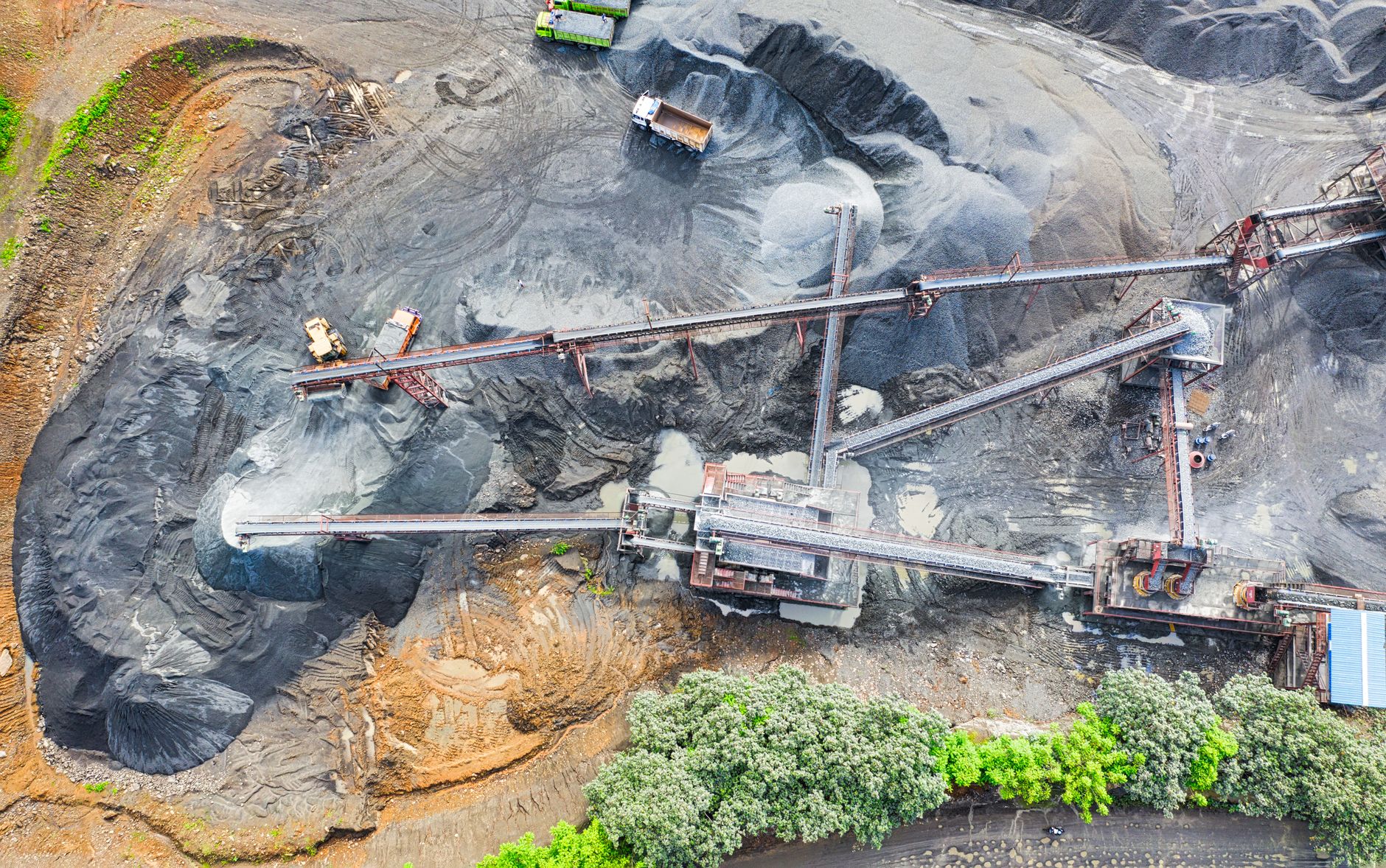
Photo: Malcoln Oliveira / Pexels

Key Highlights

  • Indian iron‑ore mines are operating below capacity, tightening raw‑material supply.
  • Higher ore costs directly lift the price of forging‑grade carbon and alloy steels.
  • OEMs are increasing forward contracts and diversifying suppliers to manage risk.
  • Kesari Alloys offers a broad grade portfolio, including C45 and EN8, suited for high‑stress forgings.
  • Continuous cast billets provide a bridge between ingot supply and rolled‑bar production.

Market Shock: Iron Ore Capacity Gaps

Recent data show that several major iron‑ore producing states in India are operating well below installed capacity. The shortfall stems from logistics bottlenecks, delayed mine expansions and a cautious demand outlook ahead of the 2047 steel‑production target. When ore supply tightens, scrap substitution becomes less viable and the cost of virgin steel inputs rises sharply.

For forging‑grade steel producers, the ripple effect is immediate. Higher feedstock costs lift the price of carbon and alloy steel ingots used in open‑die forging, ring rolling and upsetting. OEMs in the automotive and heavy‑engineering sectors, already coping with volatile raw‑material markets, may see margins compress unless they secure a stable supply of competitively priced grades.

Industry Response and Sourcing Strategies

Buyers are turning to forward‑contracting and diversified sourcing to hedge against ore‑price spikes. Suppliers that can demonstrate consistent alloy chemistry, traceability and a broad grade portfolio become more attractive. In India, manufacturers that blend domestically sourced ore with imported ferro‑alloys can smooth price fluctuations.

Companies such as Kesari Alloys, an established Indian producer of forging ingots, offer a range of carbon, alloy and stainless grades engineered for open‑die forging and ring‑rolling applications. Their catalog includes grades like C45 carbon steel and EN8 carbon steel, which are frequently specified for crankshafts, gears and high‑strength components. Selecting a supplier with proven metallurgical control helps buyers lock in performance while managing cost volatility.

Kesari Alloys Perspective

For a forging‑grade steel manufacturer like Kesari Alloys, the current ore under‑utilisation underscores the importance of maintaining a balanced raw‑material mix and offering flexible order‑size options. Their forging ingots and continuous‑cast billets are produced from a blend of Indian ore and imported alloys, allowing them to mitigate short‑term price spikes.

Buyers looking for an "alloy steel forging ingots manufacturer in India" should evaluate the grade‑specific data on Kesari’s website, verify the suitability of the ingot chemistry for their heat‑treatment cycles, and consider the availability of continuous‑cast billets continuous cast billets and blooms for downstream rolling operations.

Why This Matters for Steel Buyers

The under‑utilisation of Indian iron ore pushes up the cost of primary feedstock for forging ingots and billets. Buyers who partner with suppliers capable of blending ore sources and maintaining tight chemistry control—especially for critical grades such as C45 and EN8—can lock in price stability before the higher costs cascade through the production cycle.

When vetting partners, prioritize manufacturers that publish detailed grade specifications and offer both ingot and billet formats. Kesari Alloys provides that transparency through its steel grade family overview and product pages, enabling buyers to match material properties precisely to design and heat‑treatment requirements while reducing exposure to future price spikes.

Frequently Asked Questions

How does iron‑ore under‑utilisation affect the price of forging ingots?
Reduced ore utilization tightens supply, raising the cost of virgin steel feedstock, which in turn lifts the price of carbon and alloy forging ingots.
What grades are commonly used for high‑strength automotive forgings?
Grades such as C45 carbon steel and EN8 carbon steel are popular for crankshafts, gears and other high‑stress components.
Can Kesari Alloys help mitigate raw‑material price volatility?
Yes, Kesari Alloys blends domestic ore with imported ferro‑alloys and offers a wide grade range, allowing buyers to secure consistent chemistry despite market swings.
What product formats does Kesari Alloys provide for downstream processing?
Kesari supplies forging ingots, continuous cast billets and blooms, and rolled bars, supporting the full forging‑to‑machining value chain.
#iron ore utilization #forging steel prices #alloy steel manufacturer india #forging ingots #steel grade selection
Source reporting: Hindu · original article