Exports & Global Markets

Turkey’s Steel Surge Boosts Baltic Forging Supply as Russian Flow Slows

Turkey’s Steel Surge Boosts Baltic Forging Supply as Russian Flow Slows

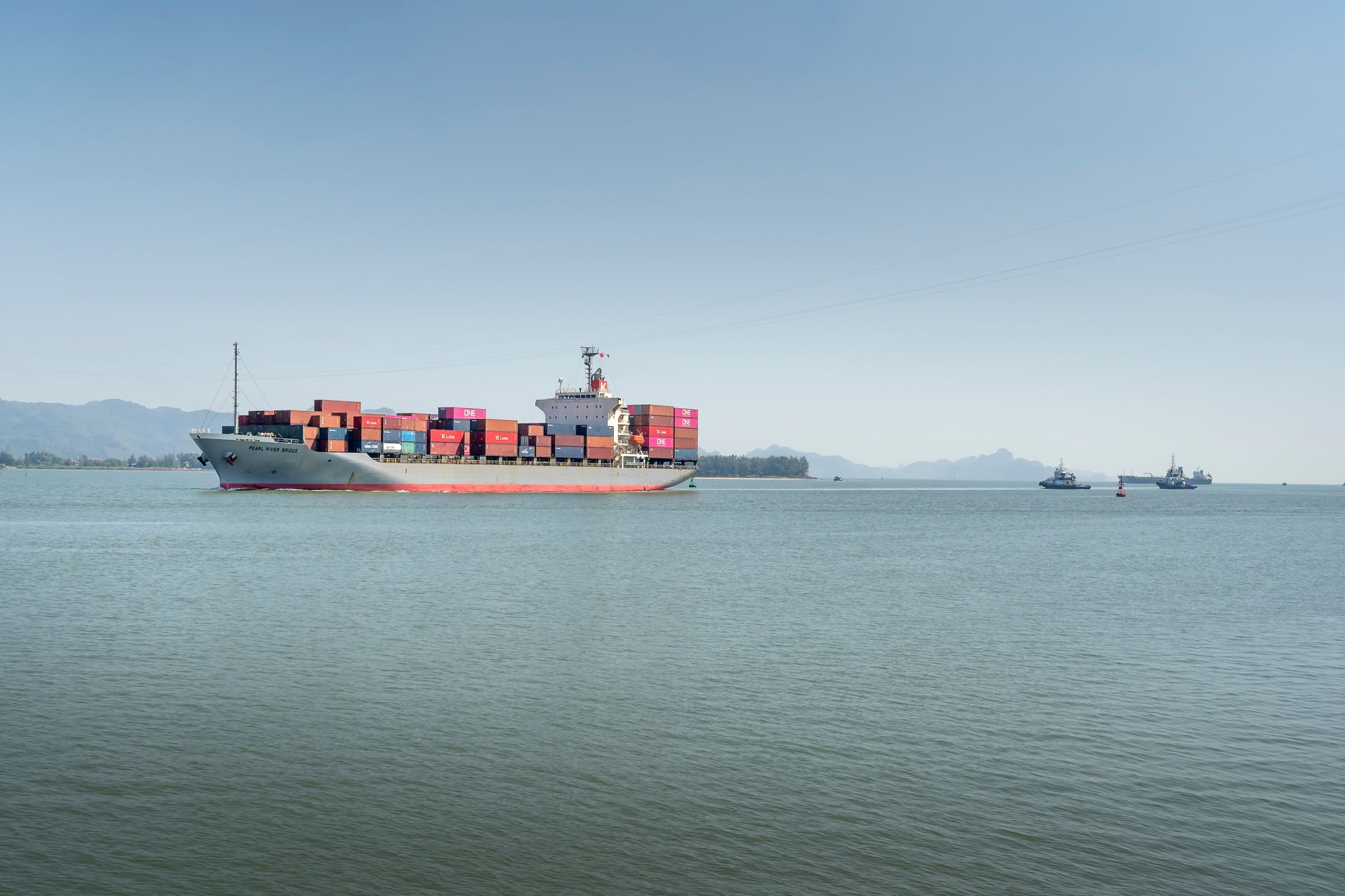
Image: trtworld.com

Key Highlights

  • Turkey’s geographic advantage shortens lead times for Baltic forging plants.
  • Turkish continuous cast billets offer tighter chemistry control than many traditional sources.
  • Price volatility is expected as Russian supplies dwindle; forward buying may protect budgets.
  • Buyers must expand supplier qualification to include traceability and heat‑treatment consistency.
  • Kesari Alloys provides a full suite of forging ingots, billets and rolled bars as alternative sources.

Regional Supply Shift and Its Technical Implications

The recent surge in Turkish steel exports is reshaping the supply chain for the Baltic states, which have traditionally relied on Russian billets and ingots for forging. Turkey’s proximity to Europe and its mature steel‑making base enable it to deliver high‑grade alloy and carbon steel ingots on short notice. For OEMs that depend on open‑die forging or ring‑rolling, access to grades such as 42CrMo4 or EN8 from a nearby source reduces transit time and lowers the risk of inventory shortages.

The shift also raises material‑consistency concerns. Turkish producers often use continuous‑casting technology that yields billets with tighter chemistry control—a critical factor for precision components. Buyers should therefore verify mill test reports and confirm that supplied grades align with the specification sheets used in design calculations.

Impact on Pricing and Procurement Strategies

With Russian supply constrained, price volatility is expected to increase across the European forging market. Turkish steel, while generally competitive, may still command a premium for certain alloy grades. Procurement teams should consider forward‑buying or building strategic inventory of key grades such as C45 or EN8 to lock in cost levels before the market tightens further.

In addition, source diversification prompts a re‑evaluation of supplier‑qualification criteria. Companies that previously qualified only Russian mills now need to assess Turkish manufacturers against standards for traceability, heat‑treatment consistency, and delivery reliability.

Kesari Alloys Perspective

For a forging‑grade steel manufacturer like Kesari Alloys, the Turkish expansion underscores the importance of a broad product portfolio that can serve both traditional and emerging markets. Our range of forging ingots—including carbon, alloy and stainless grades—offers Baltic and other European buyers an alternative to Russian supply, especially for open‑die and ring‑rolling applications.

In addition, our continuous cast billets and rolled bars provide downstream flexibility for customers who need to move from forging to final machining within a single supply chain. Buyers seeking an "alloy steel forging ingots manufacturer in India" can evaluate Kesari Alloys alongside Turkish options to balance cost, lead‑time and material quality.
Why This Matters for Steel Buyers

The shift to Turkish steel alters the risk profile of your material procurement. Shorter transit from Turkey lets you react more quickly to production spikes, but it also requires rigorous verification that alloy chemistry meets your design tolerances. Choosing the appropriate grade—such as C45 carbon steel for medium‑strength shafts or EN8 for high‑tensile bolts—avoids costly re‑work and scrap.

Strategic sourcing now means balancing price, lead time, and certification. By adding a secondary supplier like Kesari Alloys, which provides a verified grade portfolio, you gain a safety net against disruptions and acquire leverage for price negotiations, ultimately protecting margins and production schedules.

Frequently Asked Questions

How can I ensure the Turkish steel grades meet my forging specifications?
Request mill test reports and compare the chemical composition to the grade data on the supplier’s website; Kesari Alloys, for example, publishes detailed specifications for each grade.
What are the advantages of using continuous cast billets over traditional ingots?
Billets typically have a more uniform microstructure and tighter chemistry control, which improves dimensional stability during forging.
Should I consider a dual‑source strategy for my Baltic operations?
Yes, combining Turkish supply with an Indian manufacturer like Kesari Alloys diversifies risk and can smooth price fluctuations.
Which Kesari Alloys product is best for high‑strength shafting?
Our [[L2|rolled bars]] are engineered for shafting and industrial applications, offering consistent mechanical properties for demanding loads.
#turkey steel exports #baltic forging supply #alloy steel manufacturer india #forging ingots #continuous cast billets
Source reporting: trtworld.com · original article