Market Outlook and Drivers
The global stainless‑steel sanitary‑ware segment is expected to reach $4.37 billion by 2036, expanding at a 5.7% CAGR. Growth is driven by rapid urbanisation, tighter hygiene standards in hospitals and food‑processing plants, and a shift toward premium, corrosion‑resistant fixtures in emerging markets. OEMs are specifying austenitic grades such as 304 and 316 for their superior finish and durability, which lifts demand for high‑purity stainless‑steel feedstock.
Supply‑Side Considerations for Forging‑Grade Steel
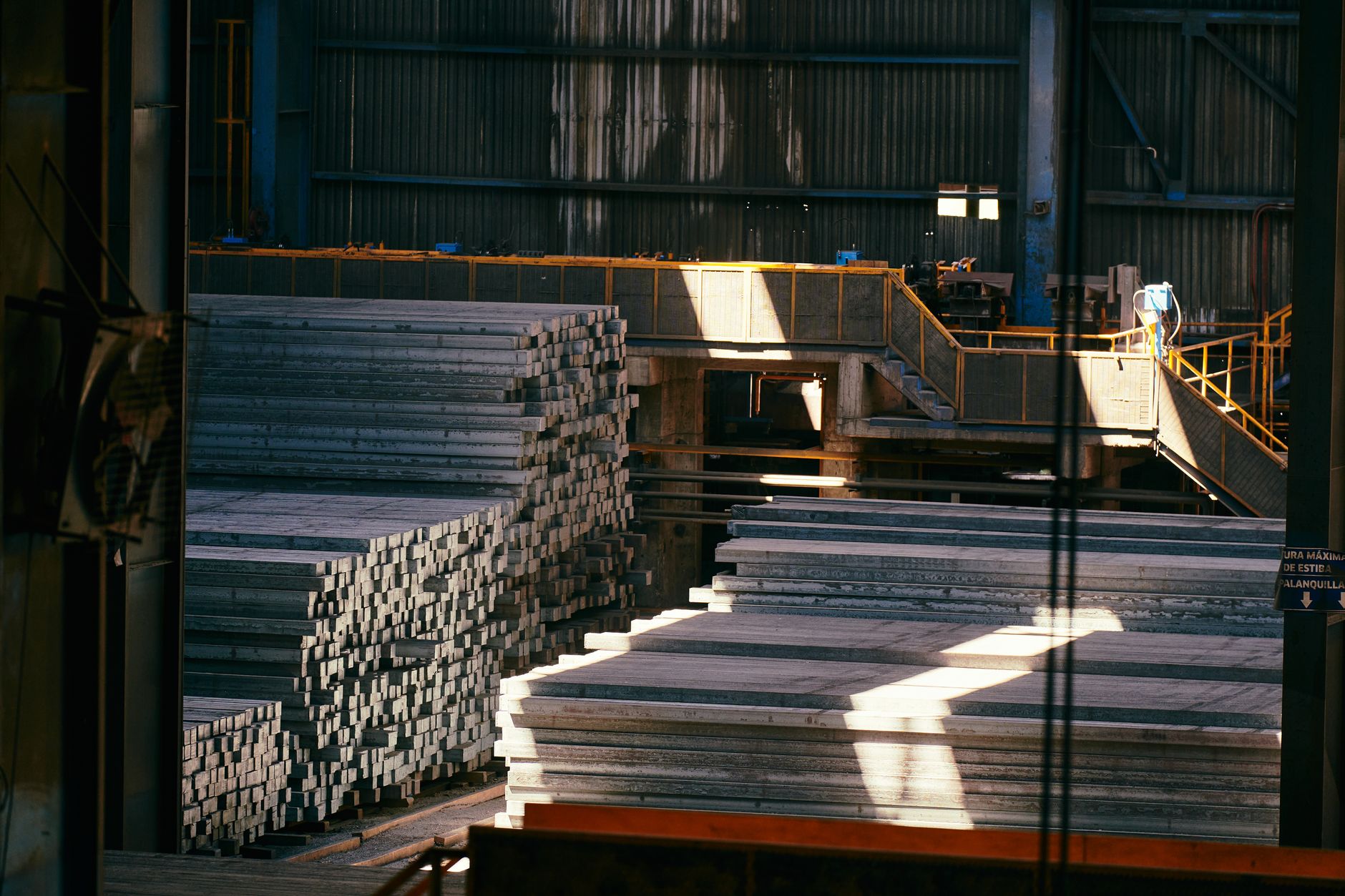
Although sanitary ware is a downstream product, its material requirements cascade back to primary steel suppliers. Forging ingots and continuous‑cast billets that meet strict chemical tolerances are essential for rolling and forging operations that produce tubes, rods, and stamped components for faucets, shower trays, and toilet parts. Suppliers that can guarantee consistent alloy chemistry, low inclusions and full traceability become preferred partners for OEMs and distributors seeking ISO 9001 and NSF‑61 compliance.
Kesari Alloys Perspective
For a manufacturer like Kesari Alloys, the expanding sanitary‑ware market underscores the strategic value of its stainless‑steel forging ingots. By offering a broad portfolio that includes grades suitable for open‑die forging, ring rolling and upsetting, Kesari can support customers who need to produce high‑strength, corrosion‑resistant components in‑house. Buyers searching for an "alloy steel forging ingots manufacturer in India" should review the grade‑specific data on the company’s website, verify the ability to supply continuous‑cast billets for downstream processing, and consider rolled‑bar options for final machining. The market growth also encourages proactive inventory planning to mitigate lead‑time risks as demand spikes.
Kesari Alloys Perspective
Kesari Alloys' extensive grade catalog steel grade family gives buyers the flexibility to select the exact stainless composition required for sanitary applications, whether it is a high‑nickel austenitic grade for aggressive environments or a more economical 304‑type for residential fixtures. Coupled with its capability to produce forging ingots and continuous cast billets and blooms, the company can serve the full value chain—from raw ingot to finished bar—helping OEMs reduce supplier count and streamline quality control.