Recent data from the Indian flat‑steel market show a continued softening of coated‑sheet prices, driven primarily by weak retail consumption and excess inventory. While consumer‑grade steel struggles, downstream sectors such as automotive OEMs and heavy‑equipment manufacturers are reassessing material specifications to balance cost pressures with performance requirements.
For forging and pressure‑vessel producers, lower coated‑product prices often translate into reduced demand for high‑strength, heat‑treated blanks that feed downstream machining. This shift encourages buyers to consider alternative steel families that can deliver comparable fatigue strength without the premium of coated finishes. In this context, selecting the right forging grade—whether a carbon steel like C45 carbon steel or an alloy such as EN8 carbon steel—becomes a strategic lever for cost control.
Industry Context
India’s domestic steel mills are operating near capacity, yet the downstream retail segment remains sluggish because housing starts are slower and consumer spending is restrained. The resulting inventory buildup forces producers to cut coated‑sheet prices, a move that ripples through the supply chain and reshapes price expectations for raw‑material inputs used in forging and machining.
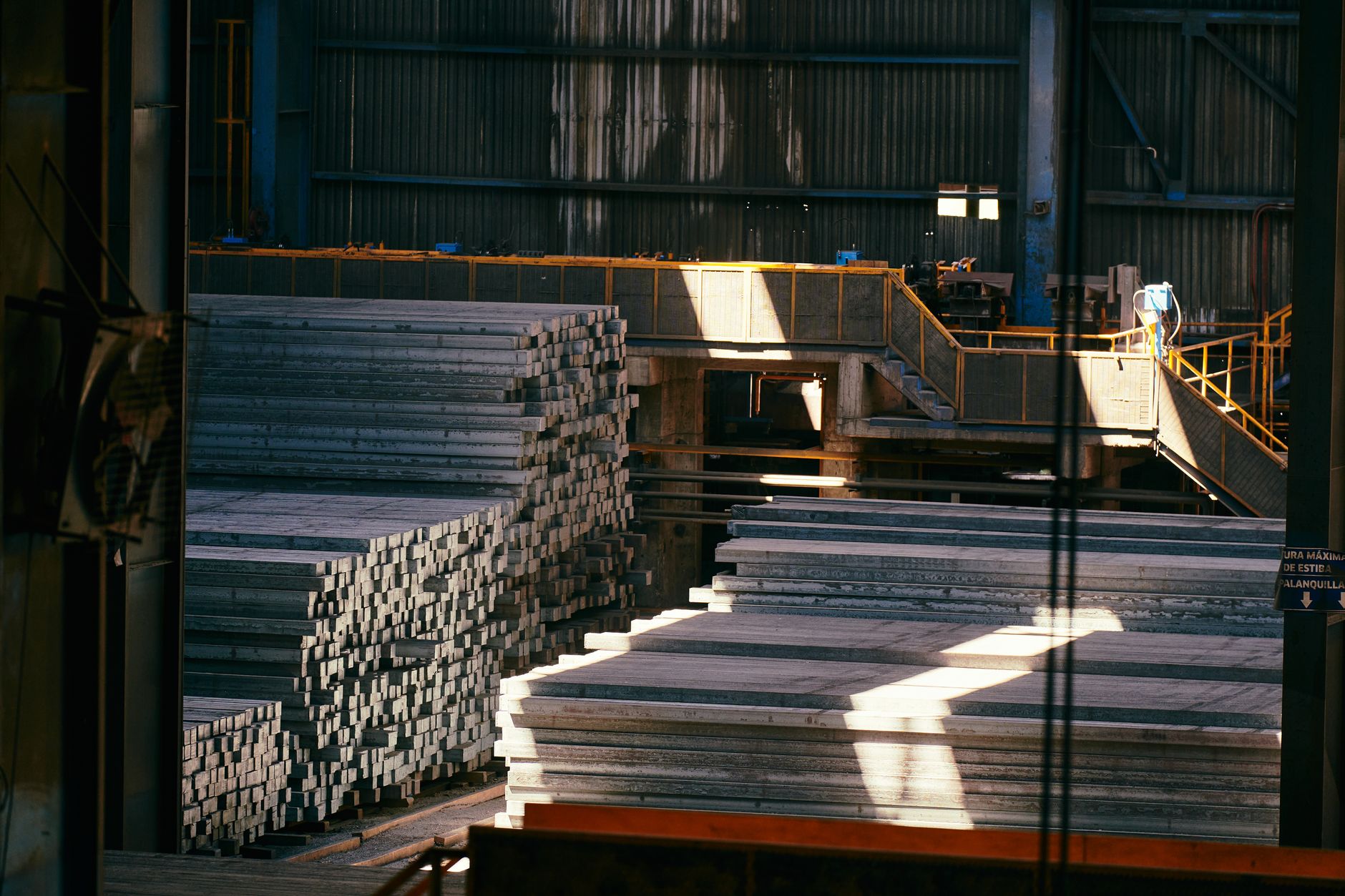
OEMs that depend on high‑volume forged components are now more vigilant about sourcing steel that offers predictable mechanical properties and consistent chemical composition. Suppliers that provide a broad grade portfolio and flexible delivery formats—such as forging ingots, continuous‑cast billets, or rolled bars—are better positioned to meet these tightened specifications.
Kesari Alloys Perspective
For a manufacturer like Kesari Alloys, the easing of coated flat‑steel prices underscores the importance of offering competitive, high‑quality forging ingots and continuous‑cast billets that can serve as cost‑effective alternatives for OEMs seeking to trim material spend. Buyers should review the grade‑specific data on Kesari’s forging ingots and continuous cast billets and blooms to confirm that the selected steel meets the required strength, toughness, and machinability for open‑die forging or ring‑rolling applications.
When specifying a grade, consider the end‑use performance envelope and the supplier’s ability to deliver consistent chemistry—attributes that Kesari Alloys has documented across its extensive grade family. Aligning procurement with a trusted Indian alloy‑steel forging‑ingot manufacturer can mitigate the volatility seen in coated flat‑steel markets while safeguarding the mechanical integrity of critical components.