Steel Prices
Ferro‑Alloy Price Split Highlights New Sourcing Strategies for Indian Forgers
44m ago•22 November 2026•2 min read•Source: BigMint
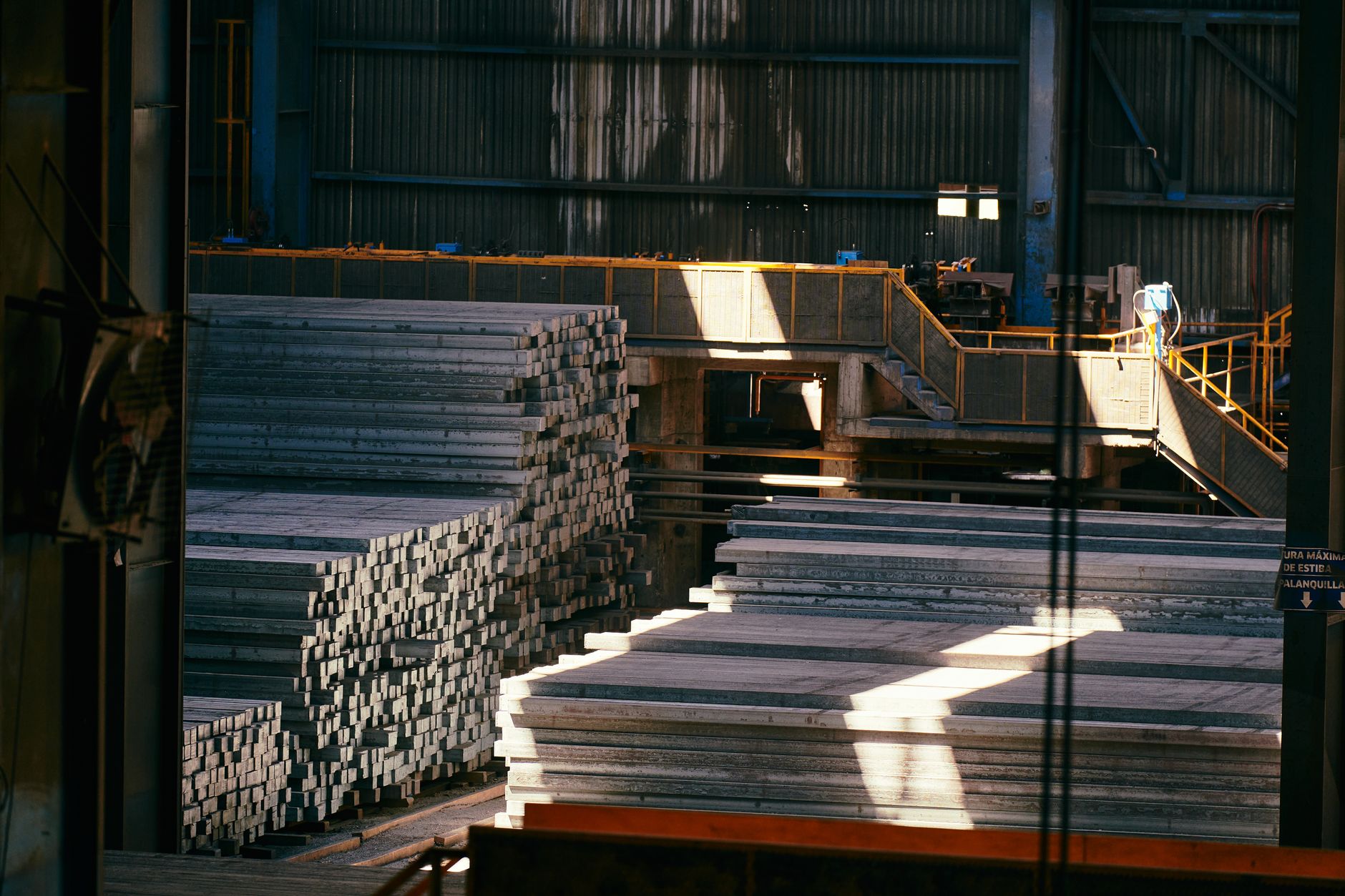
Photo: Willians Huerta / Pexels
Key Highlights
- Manganese and silicon ferro‑alloys price decline, ferro‑chrome stays strong
- OEMs in automotive and heavy‑engineering are moderating inventory levels
- Grade selection (e.g., 42CrMo4 vs. lower‑alloy steels) becomes a key cost lever
- Domestic forging ingot suppliers can mitigate supply‑chain delays
Market Overview
Weekly data from the Indian ferro‑alloy market shows a clear split: manganese and silicon prices have slipped on modest demand, while ferro‑chrome and ferro‑vanadium remain firm because supply is tighter. The divergence reflects a cautious outlook among automotive and heavy‑equipment OEMs, which are trimming inventories after a year of strong growth. At the same time, power‑generation projects are postponing new furnace installations, dampening long‑term demand for high‑grade ferro‑alloys.
Implications for Forging Grade Steel Procurement
For forging houses and component manufacturers, this price drift creates an opportunity to revisit alloy selection. Lower manganese costs can reduce the price of medium‑carbon grades such as EN8 or C45, but the sustained price of ferro‑chrome keeps chromium‑bearing alloys like 42CrMo4 or SAE 4140 at a premium. Buyers should therefore match the mechanical requirement of each part with the most cost‑effective grade, rather than defaulting to a higher‑alloy option out of habit.
Kesari Alloys Perspective
Kesari Alloys, an established Indian supplier of forging ingots, continuous‑cast billets and rolled bars, can help buyers navigate this volatility. Its portfolio includes carbon and alloy ingots suitable for open‑die forging, ring rolling and upsetting, allowing manufacturers to select a grade that balances performance with the current ferro‑alloy price environment. For projects that need precise dimensional control, the company's continuous cast billets and blooms offer a ready‑to‑forge solution, while the forging ingots provide flexibility for custom heat‑treatment cycles. When the market stabilises, sourcing from a domestic producer with a broad grade catalogue can reduce lead‑time risk and deliver price predictability for future contracts.
Why This Matters for Steel Buyers
The split in ferro‑alloy pricing forces buyers to reassess their alloy‑grade matrix. If chromium‑based alloys such as 42CrMo4 alloy steel are required for high‑strength applications, the firm price of ferro‑chrome will keep those grades at a premium. Conversely, parts that can tolerate lower alloy content may shift to cheaper carbon steels, improving overall project economics.
Choosing a supplier with a full suite of forging ingots, billets and rolled bars—like Kesari Alloys—allows buyers to lock in a single source for multiple grade families, simplifying qualification and inventory planning while staying responsive to price fluctuations.
Frequently Asked Questions
How can I reduce material cost without compromising forging strength?
Evaluate whether a lower‑alloy carbon steel can meet the design stress and use a supplier that offers both carbon and alloy grades, such as Kesari Alloys, to switch grades quickly.
What forging grades are most affected by the current ferro‑chrome price trend?
Chromium‑bearing grades like 42CrMo4 and SAE4140 see the greatest price impact because their chemistry relies heavily on ferro‑chrome.
Is it safer to source forging ingots domestically given the supply concerns?
Yes, a domestic manufacturer such as Kesari Alloys can provide shorter lead times and clearer visibility on inventory compared with imported sources.
Can I use continuous cast billets for both ring‑rolling and open‑die forging?
Kesari Alloys' continuous cast billets are designed for ring‑rolling, upsetting and open‑die forging, offering flexibility across multiple processes.
#ferro alloy price
#forging ingots
#alloy steel manufacturer india
#steel grade selection
#forging supplies