Steel Prices
Stable Ferro Chrome Prices Signal Steady Input Costs for Indian Forging Industry
2d ago•29 October 2026•2 min read•Source: BigMint
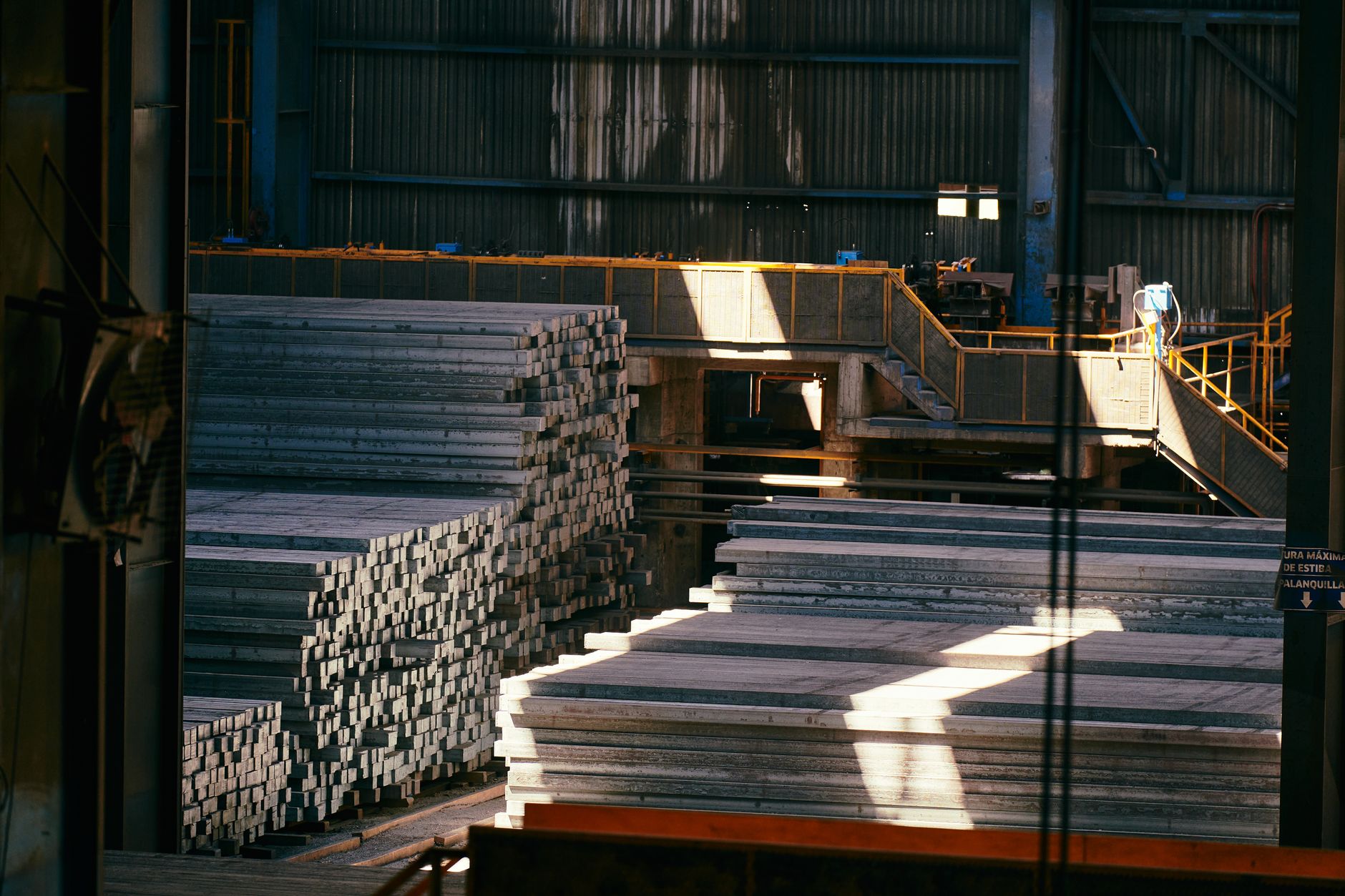
Photo: Willians Huerta / Pexels
Key Highlights
- Ferro‑chrome prices in India remain flat despite global ore cost volatility.
- Stable input costs help maintain consistent chromium levels in alloy forging steels.
- Predictable pricing benefits budgeting for open‑die, ring‑rolling, and upsetting processes.
- Kesari Alloys can offer reliable chemistry across its forging ingot portfolio.
- Downstream buyers of rolled bars see fewer unexpected cost adjustments.
Market Overview
Recent data show that ferro‑chrome prices in India have held steady despite fluctuations in global ore costs. Domestic chromite mining has softened the impact of overseas price swings, keeping the alloy’s cost curve flat for the next quarter. For forging houses, this means predictable budgeting for alloy‑steel grades that rely on ferro‑chrome as a key alloying element, such as 42CrMo4 or 4140, even though those specific grades are not listed here.
Implications for Forging Supply Chains
When ferro‑chrome input costs remain stable, manufacturers can maintain consistent chemical compositions in their alloy ingots without resorting to costly adjustments. This benefits open‑die and ring‑rolling operations that require tight tolerance on chromium content for wear‑resistant components. Buyers should therefore focus on the reliability of the forging‑grade steel source rather than short‑term price speculation.
Kesari Alloys Perspective
For a supplier like Kesari Alloys, stable ferro‑chrome pricing reinforces the value proposition of its domestic forging ingots. Clients looking for an "alloy steel forging ingots manufacturer in India" can count on consistent chemistry across grades such as the carbon and alloy families listed in the steel grade family. The predictable input cost also supports the production of forging ingots that meet the exacting standards of automotive and heavy‑engineering applications.
Additionally, when downstream users need rolled products for shafting or other industrial parts, the stable alloy market helps Kesari Alloys deliver rolled bars without sudden price spikes, ensuring smoother project cash‑flow planning.
Why This Matters for Steel Buyers
When ferro‑chrome costs are steady, buyers shift from price‑chasing to evaluating quality, lead‑time and the breadth of available grades. Suppliers that offer a full suite of sizes—such as the continuous cast billets and blooms from Kesari Alloys—become more attractive because they can feed both forging and rolling lines without delay.
Stable alloy pricing also reduces the risk of inventory write‑downs. Buyers can lock in quantities of specific grades like C45 or EN8, confident that the unit cost will not jump mid‑project. This predictability improves production scheduling for OEMs and distributors and helps maintain tighter cash‑flow control throughout the supply chain.
Frequently Asked Questions
How does stable ferro‑chrome pricing affect the chemistry of alloy forging ingots?
It allows manufacturers to keep chromium content within spec limits without costly alloy adjustments, ensuring consistent mechanical properties.
What should a buyer look for in a forging‑grade steel supplier during price‑stable periods?
Focus on the supplier’s grade portfolio, traceability, and ability to deliver ingots, billets or bars that match your design specifications.
Can Kesari Alloys provide both ingots and rolled products for my project?
Yes, Kesari Alloys offers forging ingots, continuous cast billets and blooms, as well as rolled bars suitable for shafting and other industrial applications.
Is it advisable to pre‑order rolled bars now that ferro‑chrome costs are stable?
Pre‑ordering can lock in current pricing and avoid future market surprises, especially for critical dimensions that require specific grades.
#ferro chrome prices
#alloy steel manufacturer india
#forging ingots
#continuous cast billets
#steel market analysis