Steel Prices

Stainless Steel Finish Prices Slip in India as Demand Weakens

Stainless Steel Finish Prices Slip in India as Demand Weakens

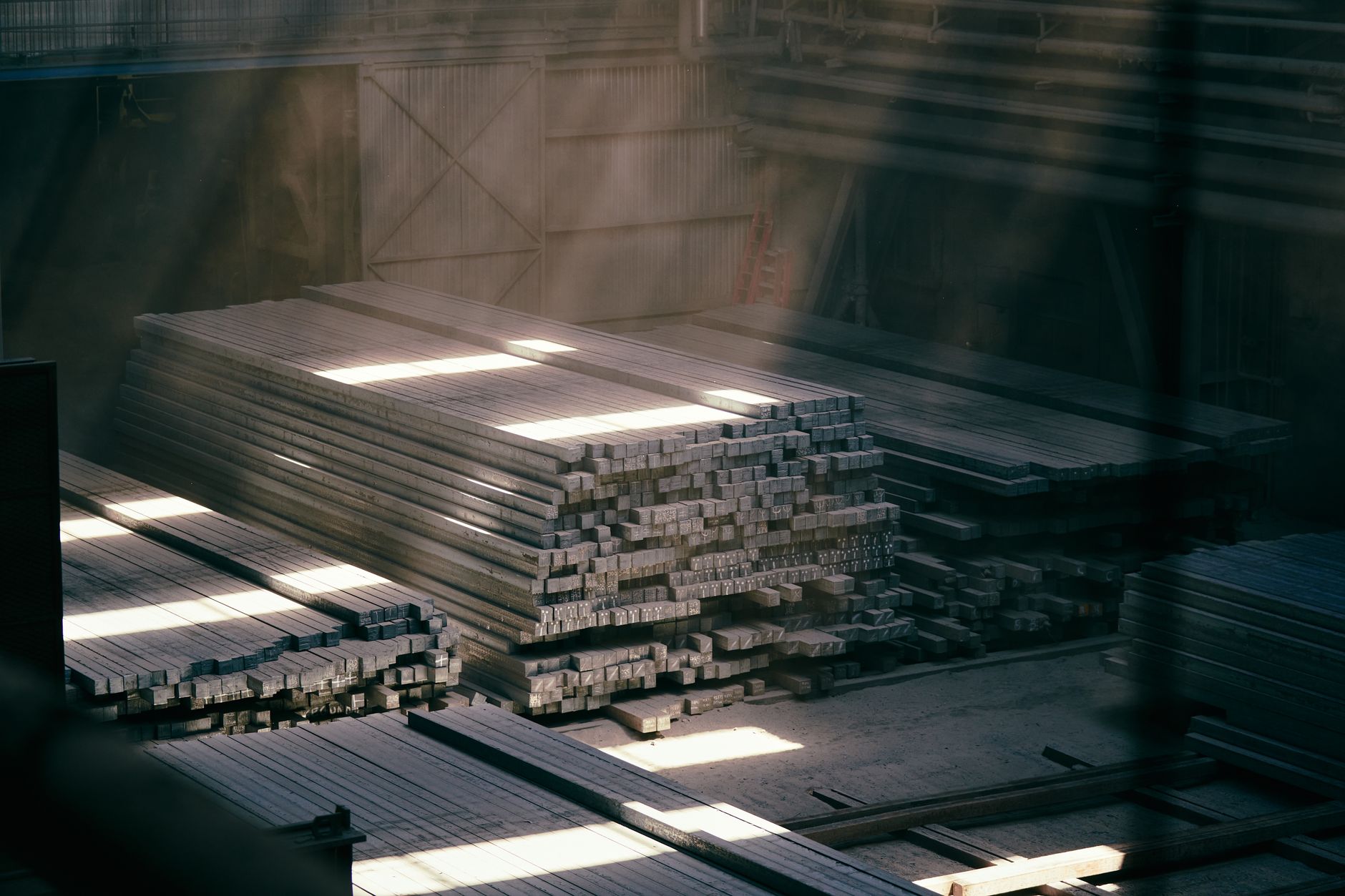
Photo: wal_ 172619 / Pexels

Key Highlights

  • Stainless‑steel finish prices fell week‑on‑week amid weak downstream demand.
  • Price softness is also affecting alloy steel forging ingots due to shared raw‑material costs.
  • Buyers can leverage lower prices to secure forging ingots or switch to alternative alloy grades.
  • Continuous cast billets and rolled bars remain critical inventory decisions for forging firms.
  • Kesari Alloys provides a full suite of ingots, billets and bars to meet shifting market needs.

Market Shift and Immediate Impact

Weekly data from Indian exchanges show a modest decline in stainless‑steel finish prices, reflecting a slowdown in downstream consumption across automotive, appliance and construction sectors. The dip is driven by reduced order books, tighter inventory levels at distributors, and a slight easing of raw‑material cost pressures. For OEMs and forging houses, the pull‑back creates a short‑term window to secure material at a lower entry point before the market stabilises.

While the headline focuses on stainless grades, the broader alloy market is feeling the ripple. Alloy‑steel forging ingots, which share similar nickel and chromium cost drivers, are also softening. Buyers seeking to optimise their bill‑of‑materials should compare the price trajectories of stainless versus alloy steels to determine whether a switch to a high‑strength alloy ingot could meet performance requirements at a better price. The availability of high‑quality forging ingots from an Indian supplier such as forging ingots makes this a practical option.

Supply‑Side Considerations for Forging and Fabrication

India’s forging ecosystem relies heavily on continuous‑cast billets and blooms for ring‑rolling and upset‑forging operations. The current price environment is prompting many manufacturers to reassess their billet‑inventory strategies, balancing lower cost against the need for consistent chemical composition. In parallel, rolled‑bar producers are monitoring demand for shafting and precision components, which could see a modest uptick if OEMs shift to more mechanically robust designs that use alloy bars instead of stainless.

Buyers should therefore evaluate both grade suitability and form factor – whether they need a billet for open‑die forging, a bar for machining, or a finished ingot for specialised heat‑treatment cycles.

Kesari Alloys Perspective

For a forging‑grade steel manufacturer like Kesari Alloys, the dip in stainless‑steel finishes underscores the value of a diversified product portfolio. Kesari Alloys offers stainless‑steel forging ingots that can be supplied directly to open‑die and ring‑rolling customers, allowing them to lock in price advantages now and mitigate future volatility.

In addition, the company’s continuous‑cast billets and rolled bars provide alternative entry points for buyers redesigning components for cost efficiency without sacrificing strength. By matching the right grade – whether a stainless alloy or a high‑strength carbon alloy – with the appropriate product form, purchasers can optimise both performance and expenditure in a fluctuating market.

Why This Matters for Steel Buyers

The current price dip creates a strategic buying window for OEMs and forging firms to procure stainless or alloy forging ingots at reduced rates, lowering cost‑of‑goods for upcoming projects. Selecting the appropriate grade – for example a high‑strength stainless forging ingot versus a carbon alloy – also influences heat‑treatment cycles and final part performance.

Suppliers with a broad product range, such as continuous cast billets and blooms, enable buyers to align inventory with production schedules, reducing the risk of stock‑outs when demand rebounds. Evaluating both price and form factor helps buyers optimise lead times while maintaining quality standards.

Related from Kesari Alloys: rolled bars.

Frequently Asked Questions

How can a price dip in stainless steel affect my forging project costs?
Lower finish prices reduce the material cost component of forging projects, especially if you source stainless forging ingots or switch to a comparable alloy grade from a supplier like Kesari Alloys.
Should I consider alloy steel ingots instead of stainless for strength-critical parts?
Yes, alloy steel ingots often provide comparable strength with better price stability; Kesari Alloys offers a range of alloy forging ingots suitable for open‑die and ring‑rolling applications.
What form of steel should I stock to hedge against future price swings?
Maintaining a balanced inventory of continuous cast billets and rolled bars allows you to respond quickly to market changes while keeping critical dimensions and chemistry in stock.
Is Kesari Alloys a reliable source for alloy and stainless forging ingots in India?
Kesari Alloys, based in Bhiwadi, Rajasthan, manufactures carbon, alloy and stainless steel forging ingots and has been serving the forging and heavy engineering sectors since 1987.
#stainless steel prices #alloy steel manufacturer india #forging ingots #continuous cast billets #steel market analysis
Source reporting: BigMint · original article