Industry Impact of SAIL’s Modernisation Plan
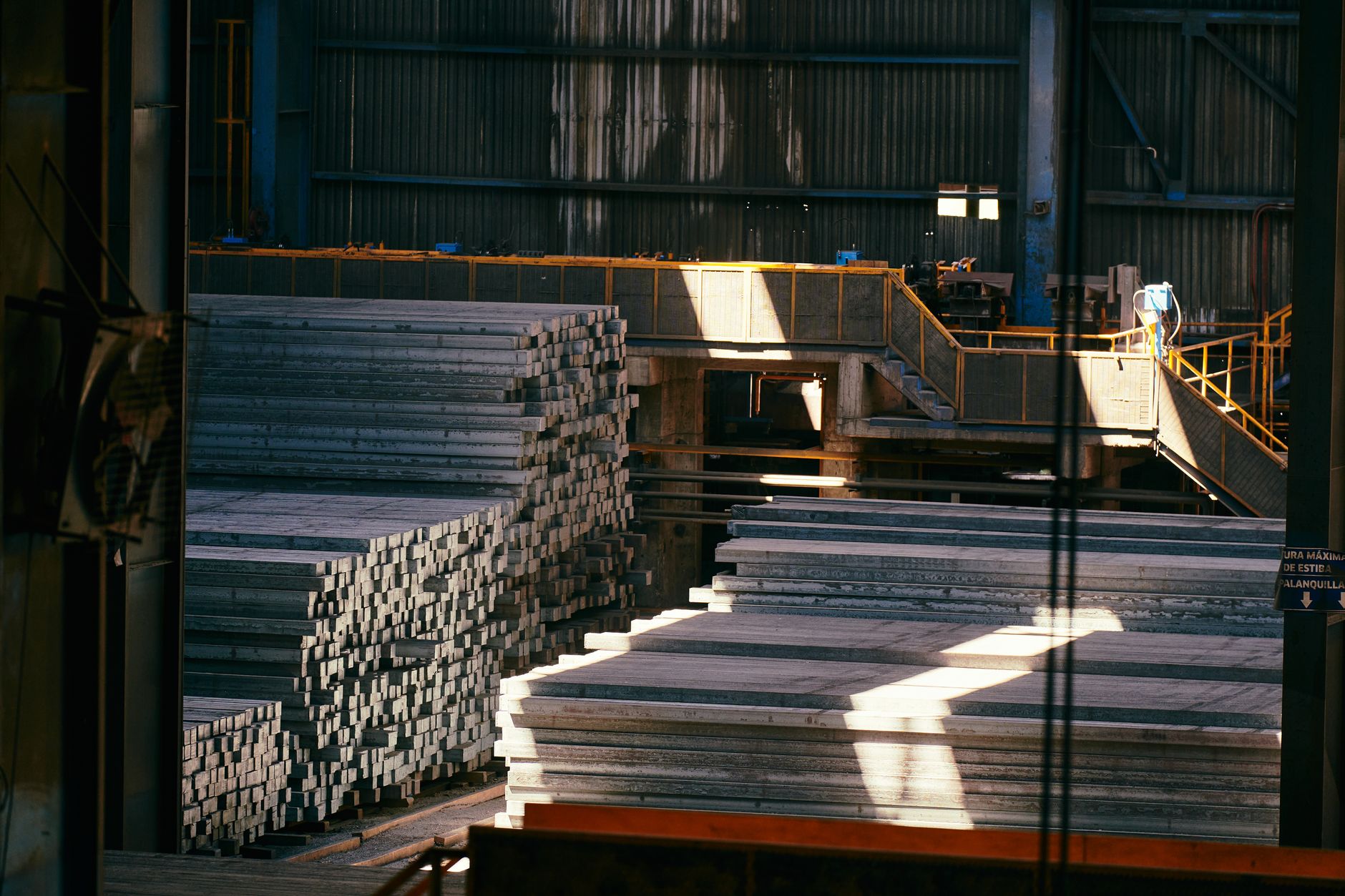
Steel Authority of India Limited (SAIL) has approved a Rs 1,714‑crore investment to modernise its alloy‑steel plant in Bhilai. The upgrade will introduce advanced ladle‑furnace technology, tighter temperature control and automated rolling lines, all aimed at improving yield and reducing scrap. For OEMs and forging houses, the change promises a more reliable supply of high‑grade alloy steels such as 42CrMo4 and SAE 4140, with chemistry tolerances tight enough for demanding heat‑treated components.
From a market‑price perspective, the added capacity should ease the current premium on alloy billets, especially for automotive and power‑generation sectors that rely on consistent alloy grades. However, the ramp‑up period may generate short‑term volatility as SAIL commissions the new equipment and re‑qualifies its product streams.
Implications for Forging Material Sourcing
Forging manufacturers typically source three forms of semi‑finished steel: open‑die ingots, continuous‑cast billets for ring‑rolling, and rolled bars for shafting. The modernised plant will increase the availability of high‑integrity billets that can be fed directly into ring‑rolling mills to produce large‑diameter rings for turbines and crankshafts. Buyers should therefore revisit inventory strategies, balancing the newly‑available billet supply against existing stocks of forged ingots.
At the same time, the upgrade underscores the value of suppliers that offer a full grade portfolio. A vendor that can provide both forging ingots and continuous‑cast billets enables a smoother transition between open‑die and ring‑rolling processes, reducing change‑over time and scrap. For example, forging ingots from an Indian manufacturer can be matched with continuous cast billets for downstream ring‑rolling, delivering a seamless material flow.
Kesari Alloys Perspective
For a forging‑grade steel maker like Kesari Alloys, SAIL’s investment highlights two strategic levers: diversification of product forms and strict grade control. Kesari Alloys already supplies carbon, alloy and stainless steel forging ingots, continuous‑cast billets and rolled bars, allowing customers to source the exact form they need for open‑die, upsetting or ring‑rolling operations. Buyers looking for alloy steel forging ingots manufacturer in India will find that Kesari’s broad grade family, including SAE 4140 and 42CrMo4, aligns with the tighter specifications that SAIL’s upgraded plant will deliver.
In practice, a buyer could pair Kesari’s SAE4140 alloy steel ingots with SAIL’s modernised billet output to optimise heat‑treatment cycles and achieve higher fatigue performance in critical components. The synergy between upgraded domestic alloy production and a versatile supplier like Kesari Alloys reduces lead‑time risk and supports cost‑effective sourcing for high‑value forging projects.