Market Shift: Scrap Index Gains Traction
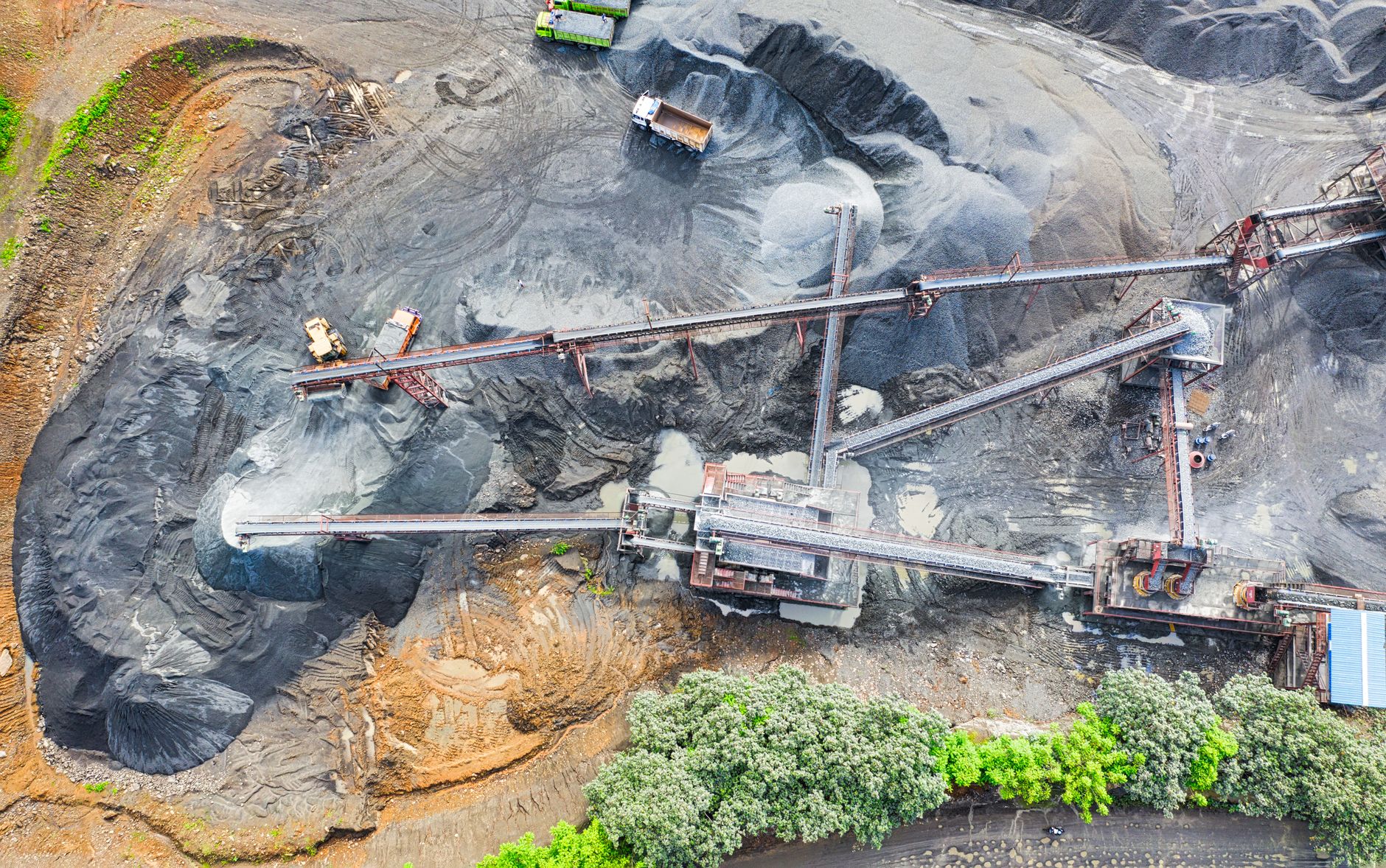
India’s ferrous scrap index posted a modest uptick this week, even as overall steel demand shows only a lukewarm recovery. The rise reflects tighter scrap supplies, higher import duties and seasonal buying patterns that keep mill feedstock costs above the previous month’s level. For OEMs and forging houses, the key takeaway is a narrowing margin between scrap‑derived feedstock and virgin steel, which can accelerate the shift to higher‑grade alloys for critical components.
Implications for Forging‑Grade Steel Supply
Forging firms that rely on open‑die and ring‑rolling processes must watch the scrap‑price signal because it directly influences the cost of melt‑shop billets and ingots. When scrap premiums climb, manufacturers often turn to dedicated forging ingots to guarantee chemistry and mechanical properties. Kesari Alloys offers a broad portfolio of carbon, alloy and stainless forging ingots that meet stringent specifications for automotive, power and heavy‑engineering applications. Buyers looking for a reliable "alloy steel forging ingots manufacturer in India" will find the grade‑specific data useful when benchmarking costs against scrap‑derived alternatives. For example, the forging ingots line includes grades such as 42CrMo4 and SAE 4140, which are less sensitive to scrap price volatility due to controlled melt chemistry.
Supply Chain Options: Billets and Bars
Beyond ingots, many customers source continuous‑cast billets for downstream ring‑rolling or upsetting. The continuous cast billets and blooms provide a consistent microstructure that can reduce secondary‑processing time, a valuable advantage when raw‑material costs are rising. Rolled‑bar offerings, such as the shafts used in transmission assemblies, are also available through Kesari’s partnership with rolling mills, delivering ready‑to‑machine dimensions while keeping scrap exposure low. Selecting the right product form—ingot, billet or bar—helps balance inventory costs against the price pressure from the scrap market.
Kesari Alloys Perspective
For a forging‑grade steel manufacturer like Kesari Alloys, a higher scrap index reinforces the strategic benefit of maintaining an in‑house forging ingot portfolio. It allows customers to secure grades with tight chemistry control, mitigating the risk of unexpected cost spikes. Buyers should evaluate part geometry and required heat‑treatment cycles to decide whether a direct ingot purchase, a billet for ring‑rolling, or a rolled bar best fits their production schedule and budget.
In practice, a procurement team might qualify Kesari Alloys alongside other Indian suppliers, comparing grade data sheets—such as the C45 carbon steel specification—to ensure the selected material meets design tolerances while offering price stability in a volatile scrap market.