Market Shift: Chinese Steel Price Surge
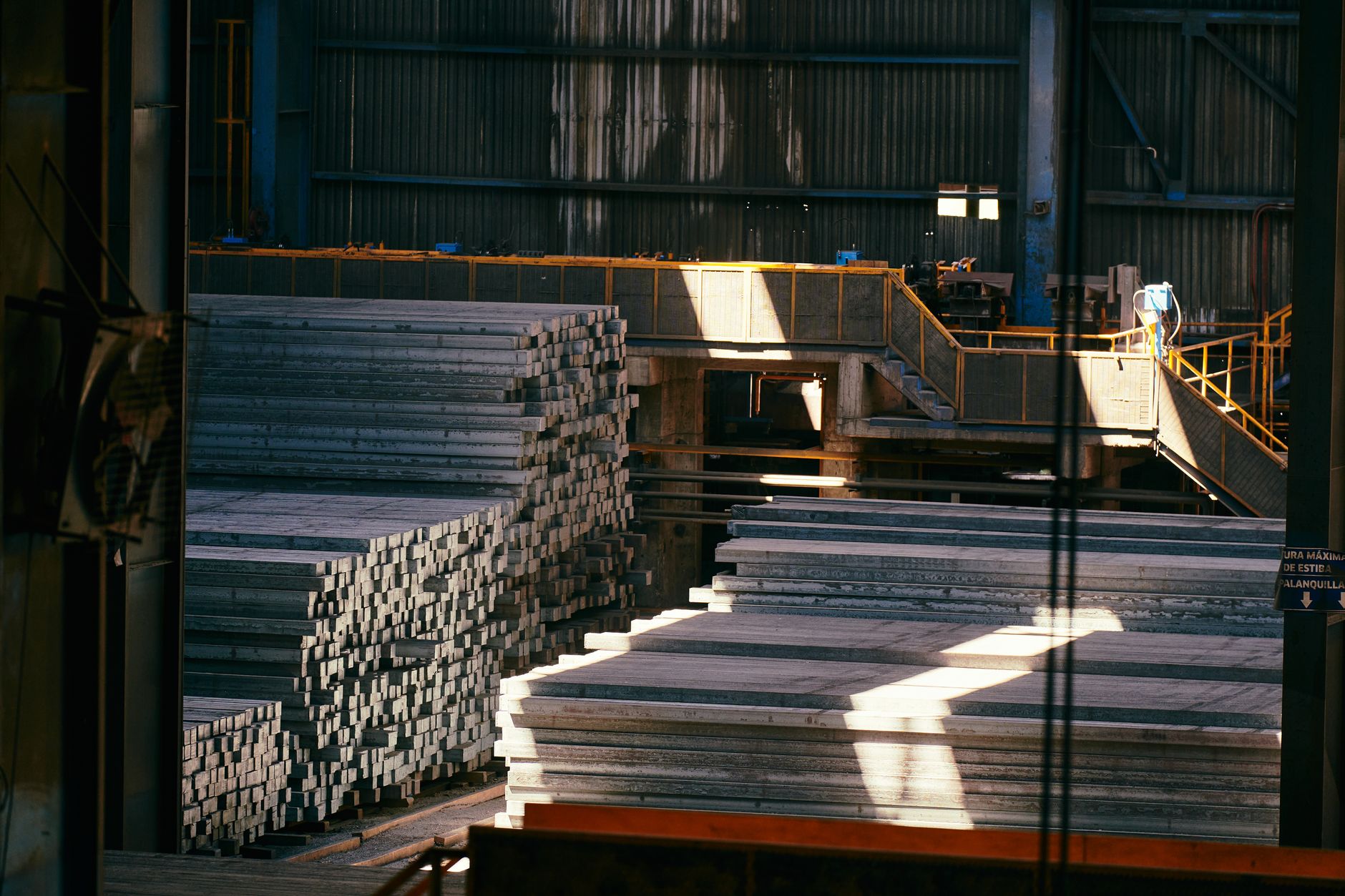
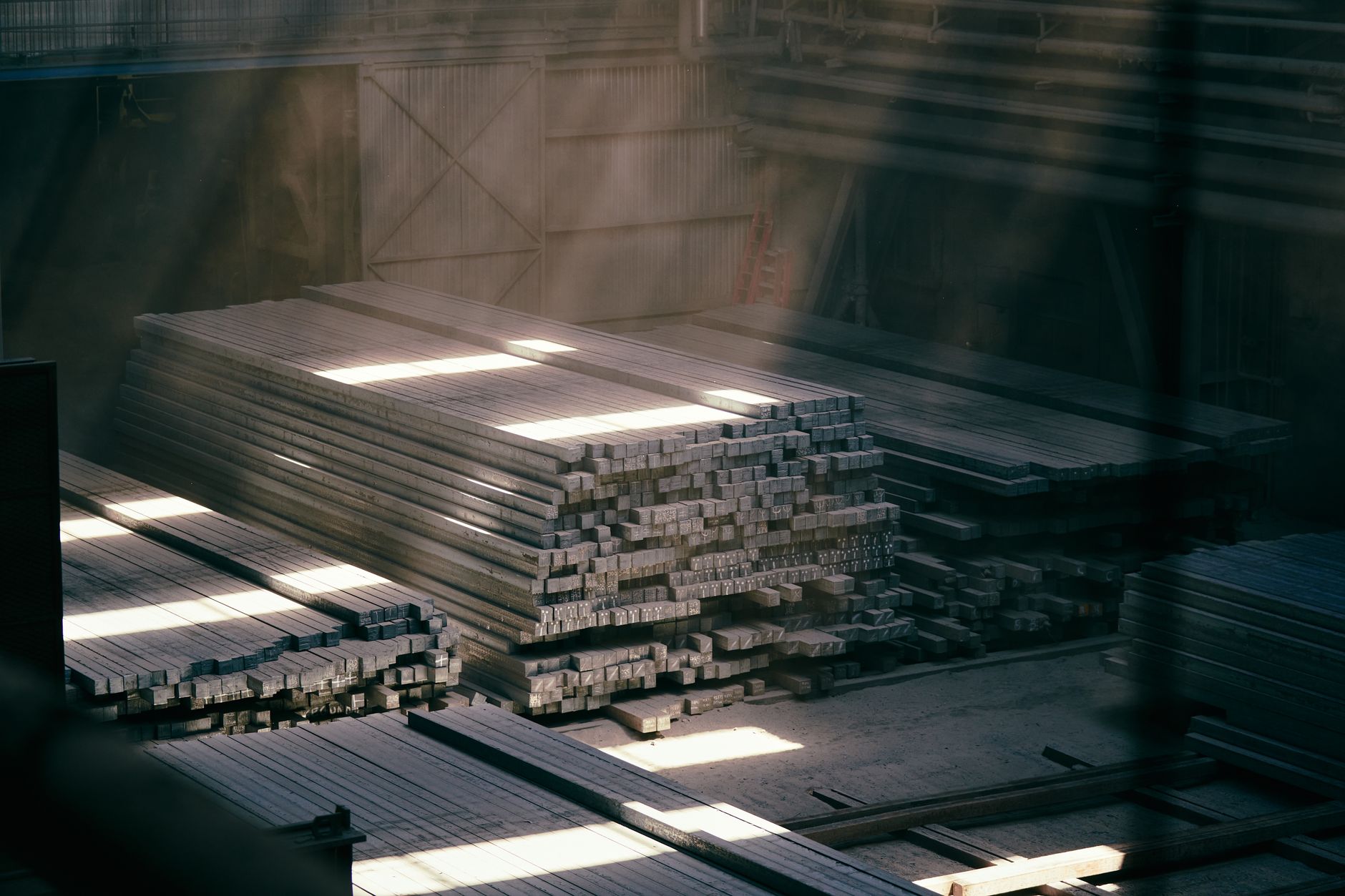
Recent trading data show a sharp uptick in hot‑rolled and billet prices from Maanshan Iron & Steel, driven by tighter raw‑material supplies and stronger domestic demand. The price pressure is spilling over into the global alloy market, where Indian forgings and OEMs depend on imported billets for downstream processing. For buyers, the volatility underscores the need to secure feedstock at predictable cost points.
Implications for Forging and Ring‑Rolling Operations
Open‑die forging, ring rolling and upsetting require consistent chemistry and tight dimensional tolerances. When Chinese billet prices climb, manufacturers often turn to alternative sources that can guarantee alloy consistency without sacrificing lead‑time. Indian producers such as Kesari Alloys, operating since 1987, offer a broad portfolio of carbon, alloy and stainless‑steel forging ingots that match many Chinese grades. Selecting the right grade—whether a high‑strength 42CrMo4 or a medium‑carbon EN8—can blunt cost spikes while preserving component performance.
Kesari Alloys Perspective
For a forging‑grade steel manufacturer like Kesari Alloys, the current price environment creates an opportunity to position its domestically produced forging ingots as a reliable alternative to imported billets. Buyers seeking to reduce exposure to Chinese market swings can source ingots that are pre‑qualified for open‑die forging, ring rolling and upsetting, ensuring continuity of production.
In addition, Kesari’s continuous cast billets and blooms provide a seamless feedstock for customers who still prefer billet‑based processes but want to keep the supply chain within India. By aligning grade selection with the specific mechanical requirements of automotive, power or heavy‑engineering applications, purchasers can achieve cost‑effective resilience against global price turbulence.