Market Shift: Pig Iron Prices Slide
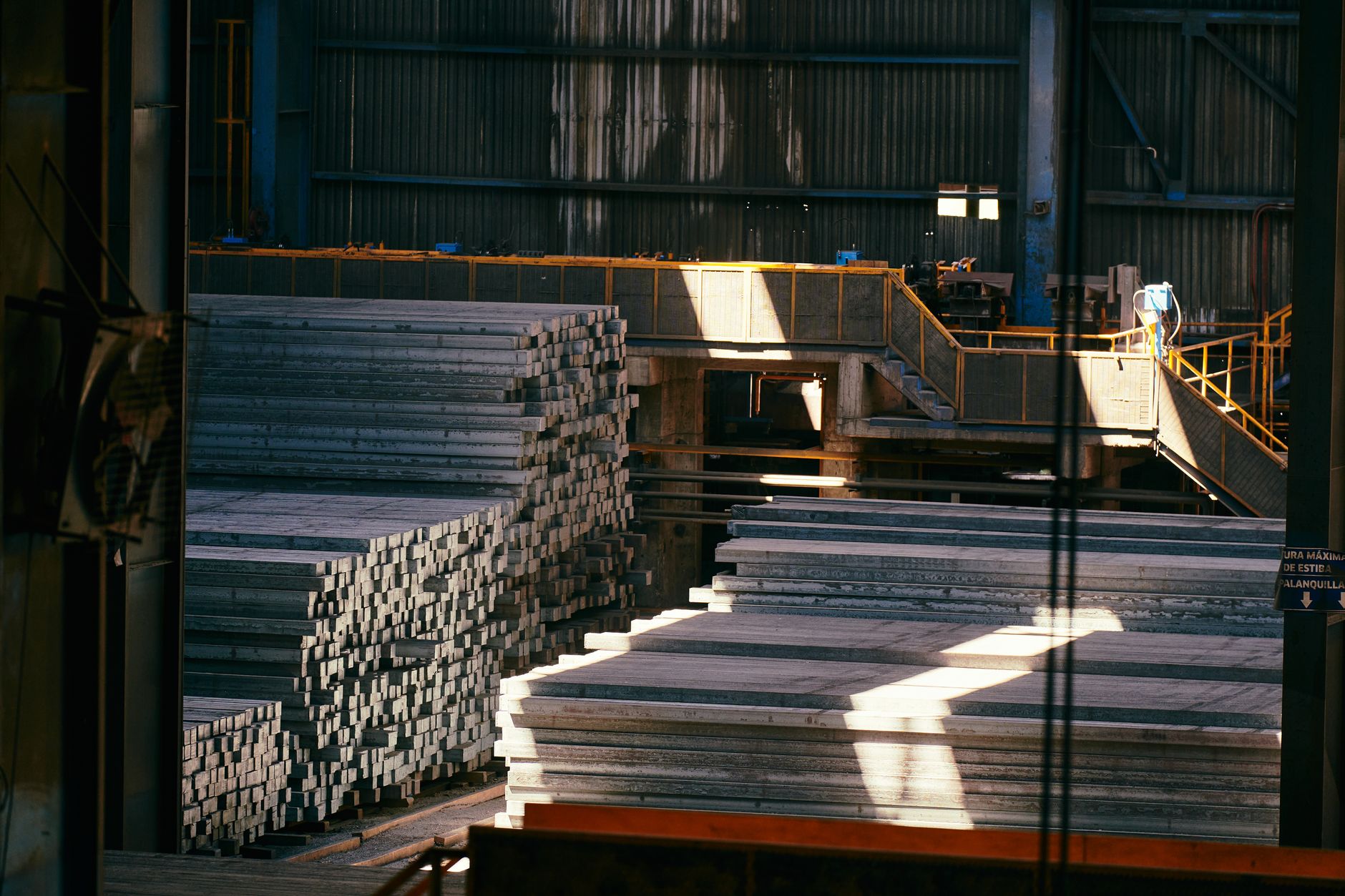
The recent SAIL‑RSP pig‑iron auction saw the clearing price fall by INR 150 per tonne, with almost 4,000 t sold. Because pig iron is the primary feedstock for steelmaking, a lower price ripples through the value chain and trims the cost base for carbon and alloy‑steel producers.
Implications for Forging‑Grade Steel Supply
When pig‑iron costs drop, furnace charges for billet and ingot producers typically ease modestly. OEMs and forging houses can therefore see tighter margins on high‑strength grades such as 42CrMo4 or EN8, provided demand for automotive and power‑generation components stays robust. The effect, however, is limited; savings are often offset by logistics expenses, energy tariffs, and the need to keep alloying‑element inventories stocked.
Buyers should assess whether the price dip aligns with their production schedules. Early‑stage orders for forging ingots can lock in the benefit, while postponing purchases may forfeit the advantage if downstream costs rise again.
Kesari Alloys Perspective
For a forging‑grade steel manufacturer like Kesari Alloys, the pig‑iron price reduction underscores the value of a flexible supply strategy. Kesari Alloys sources raw material domestically and can adjust its continuous‑casting and open‑die forging operations to capture cost efficiencies without compromising grade quality.
Buyers seeking reliable Indian sources of carbon, alloy, or stainless‑steel forging ingots, continuous‑cast billets, or rolled bars should evaluate the total cost of ownership—including raw‑material trends—when qualifying a supplier.