Market Overview
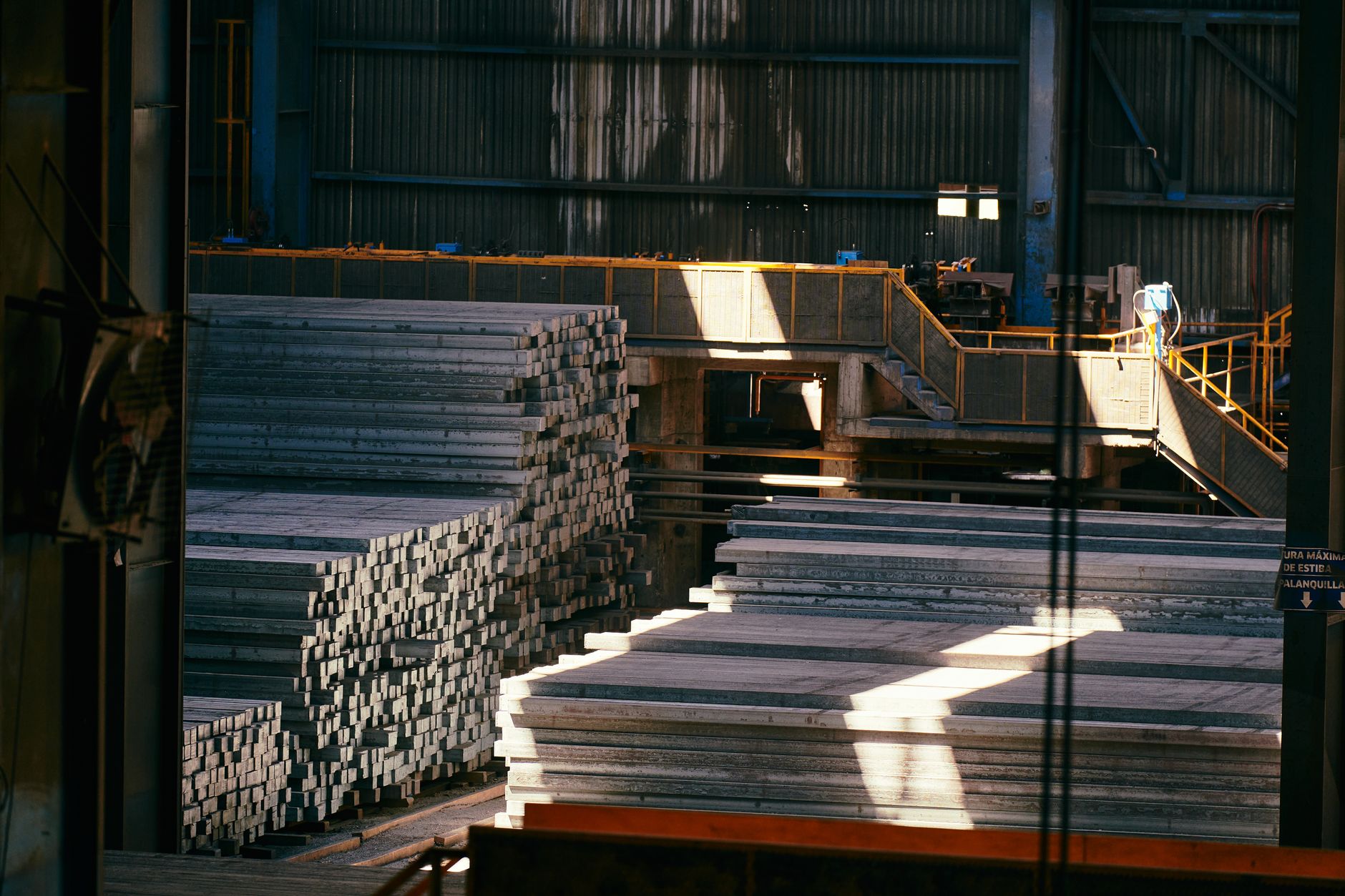
During the past week, primary steel raw‑material costs diverged: iron‑ore and scrap prices eased, while coking coal and alloying additives held steady. The net result was a modest pull‑back in finished‑product quotations, but the semi‑finished segment—billets, blooms and ingots—remained firm as downstream users built inventory ahead of the expected seasonal demand surge.
For forging and heavy‑engineering customers, the resilience of semi‑finished prices matters because it directly affects the cost of open‑die forging blanks and ring‑rolling billets. Stable feedstock prices help OEMs maintain tighter margin control when they depend on consistent material quality.
Implications for Grade Selection
With finished‑steel prices subdued, buyers are re‑evaluating the economics of higher‑performance alloys versus standard carbon grades. Although a 42CrMo4 or 4140 alloy still commands a premium, the price gap is narrowing, prompting a closer look at grades such as EN8 or C45 for non‑critical components where toughness and wear resistance meet specifications.
Kesari Alloys Perspective
The current market dynamics highlight the advantage of sourcing semi‑finished steel from a supplier that combines consistency with a broad grade portfolio. Kesari Alloys, based in Bhiwadi, Rajasthan, offers a full range of forging ingots, continuous‑cast billets and rolled bars for open‑die forging, ring rolling and upsetting processes. Buyers can pair the firm semi‑finished pricing with reliable supply of grades like forging ingots or continuous cast billets and blooms to lock in material costs while preserving the mechanical properties required for automotive, power and heavy‑engineering applications.
In practice, selecting a Kesari Alloys ingot or billet for a critical component can reduce the need for additional heat‑treatment steps, streamline inventory management and shield projects from volatile finished‑steel price swings.