Market Shift: Plate Prices Spike in Northern Europe
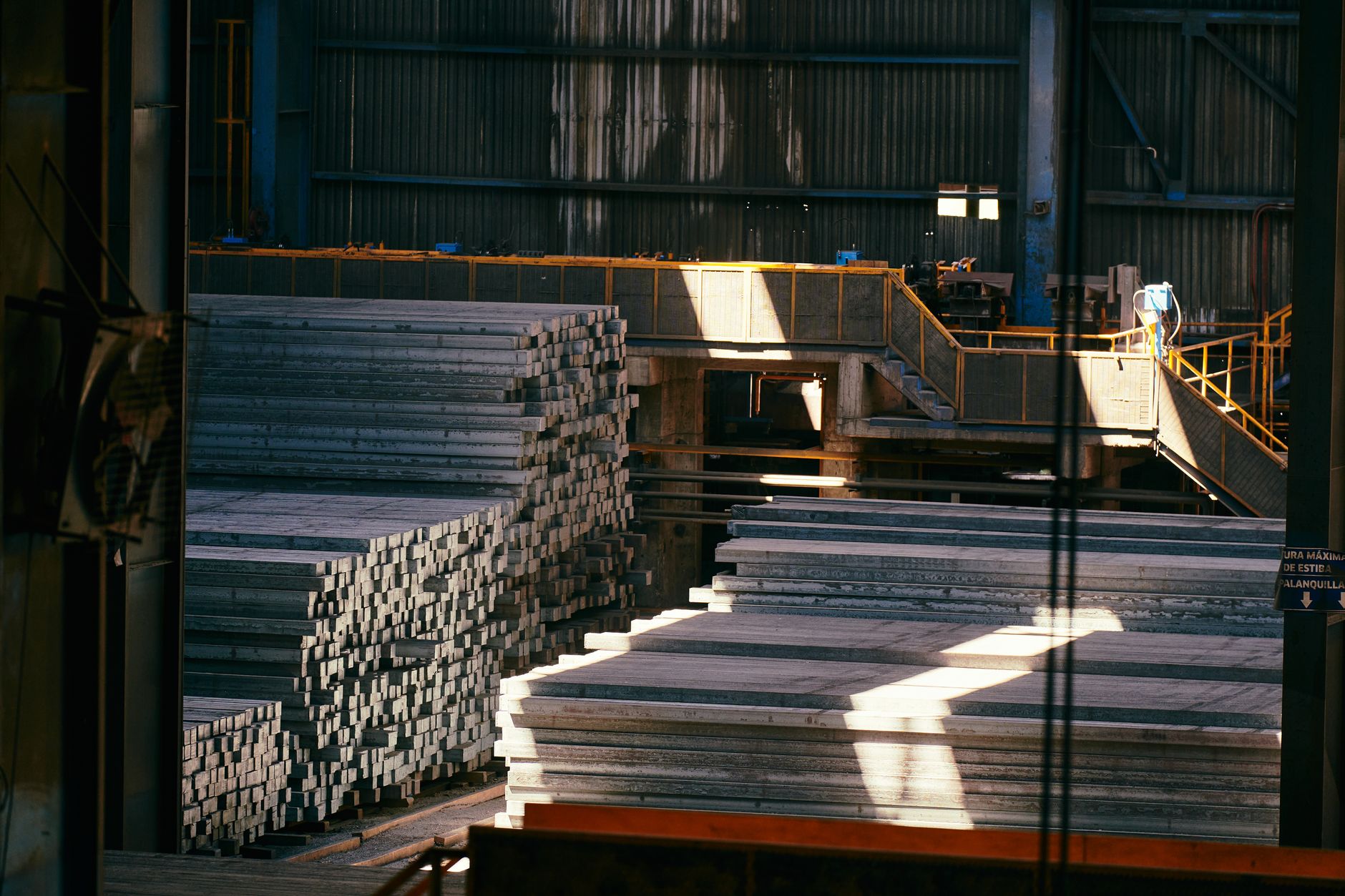
Recent trading data show steel‑plate prices in the Nordics climbing to €860‑885 per tonne, driven by raw‑material bottlenecks, tighter logistics and strong demand from offshore‑wind and shipbuilding projects. The rally is not confined to flat products; it reverberates through the whole supply chain, squeezing manufacturers of downstream forgings that depend on reliable plate and billet supplies.
For forging houses, higher plate costs often trigger a shift to alternative feedstock such as high‑quality ingots or continuous‑cast billets, which can be sourced more readily and processed in open‑die or ring‑rolling operations. The price gap also pushes OEMs to reassess material specifications, weighing performance against the premium on plate‑derived grades.
Implications for Alloy Selection and Procurement
When plate grades like EN8 or C45 become expensive, buyers turn to comparable alloy ingots that can be machined or forged to the required geometry. Choosing an ingot grade that mirrors the mechanical profile of a plate mitigates price volatility while preserving part integrity. For instance, a C45‑equivalent forging ingot offers similar tensile strength and hardenability but can be produced in a controlled melt, reducing dependence on thin‑plate inventories.
Suppliers that offer a wide range of carbon and alloy grades together with flexible casting formats become strategic partners in this environment. The ability to source continuous‑cast billets for ring rolling or forged blanks for upset forging helps smooth production schedules despite plate shortages.
Kesari Alloys Perspective
Kesari Alloys, operating from Bhiwadi, Rajasthan, provides a full suite of carbon, alloy and stainless‑steel forging ingots suitable for open‑die forging, ring rolling and upsetting. Buyers facing high plate prices can switch to Kesari’s forging ingots to meet the same performance criteria while benefiting from the consistency of a controlled melt. In addition, the company’s continuous cast billets and blooms offer an alternative feedstock for ring‑rolling applications, helping OEMs maintain throughput when plate supplies tighten. Finally, the rolled‑bar capability rolled bars supports shafting and other precision components, giving customers a one‑stop source for the entire forging value chain.