Steel Prices

JSW Steel’s H2 Volume Push Offsets Rising Input Costs – What It Means for Forging Steel Buyers

JSW Steel’s H2 Volume Push Offsets Rising Input Costs – What It Means for Forging Steel Buyers

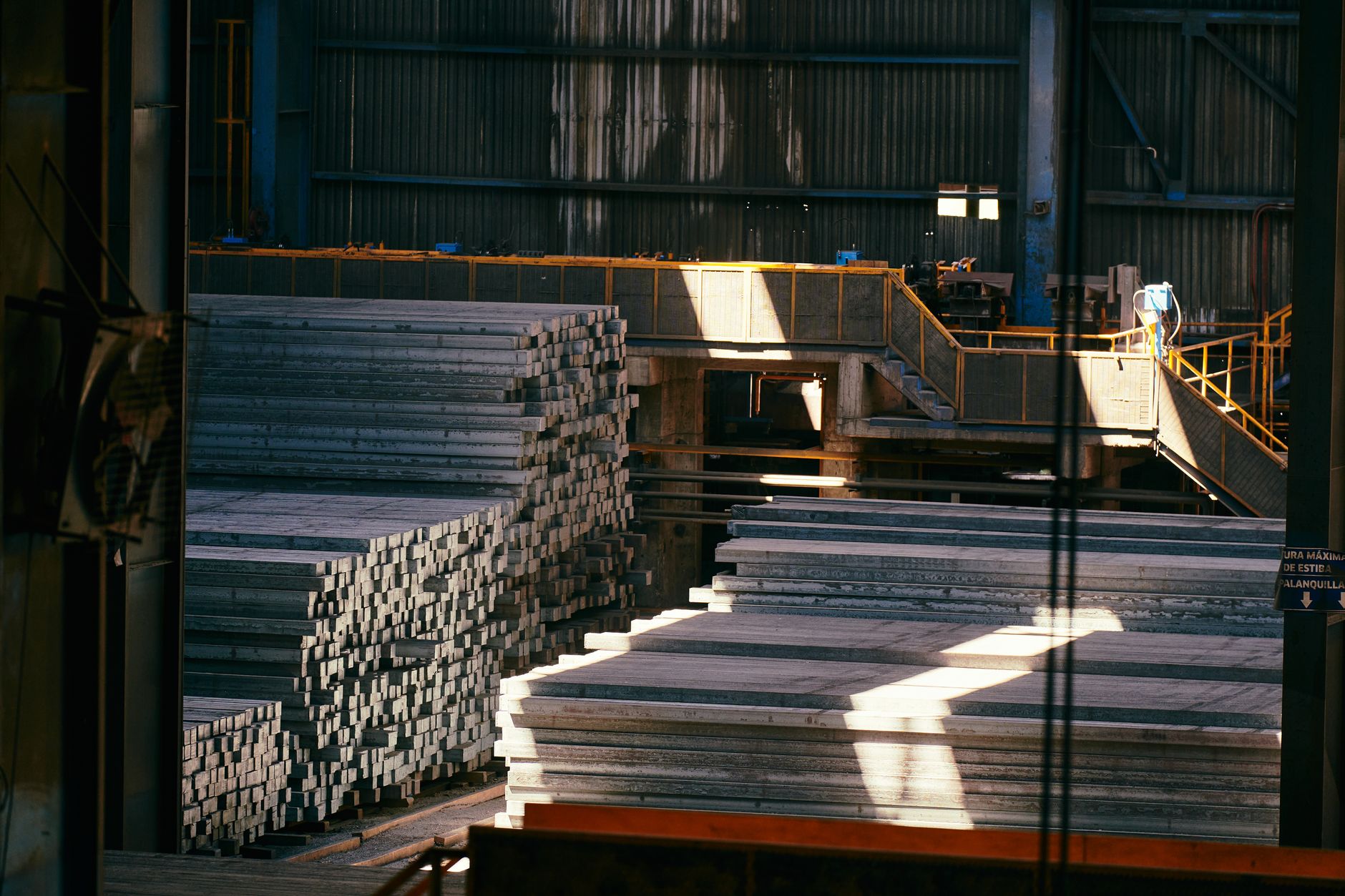
Photo: Mike van Schoonderwalt / Pexels

Key Highlights

  • JSW Steel boosts H2 output to spread fixed costs amid rising raw‑material prices
  • Higher steel volumes improve availability of forging‑grade billets and ingots
  • Cost gap between alloy and medium‑carbon grades may narrow, prompting grade reassessment
  • Buyers should match grade selection to specific forging processes to avoid re‑work
  • Kesari Alloys offers a full range of forging ingots, billets and rolled bars for flexible sourcing

Market Shift: Higher H2 Production as a Cost‑offset Strategy

JSW Steel’s announcement that its second‑half (H2) production will rise sharply is a direct response to the surge in raw‑material and energy prices that have squeezed margins across the Indian steel sector. By increasing output, JSW aims to spread fixed costs over a larger tonnage, stabilising unit costs while meeting growing demand from automotive, infrastructure and heavy‑engineering projects.

For forging‑grade steel consumers, the ripple effect is two‑fold. First, higher overall steel volumes tend to improve the availability of specialty billets and ingots, easing the supply constraints that have recently driven spot‑price premiums. Second, the extra capacity often comes with tighter specifications on grades that are critical for open‑die forging, ring rolling and upsetting – the very processes that rely on high‑integrity ingot quality.

Implications for Grade Selection and Supply Chains

Buyers should re‑evaluate their alloy choices in light of the evolving price landscape. Alloy steels such as 42CrMo4 or 34CrNiMo6 remain essential for high‑strength, heat‑treated components, but the cost differential with medium‑carbon grades like C45 or EN8 may narrow as bulk supply improves. Moreover, the increased H2 run‑rate may lead to more frequent deliveries of continuous‑cast billets, which are a preferred feedstock for many forging houses.

When specifying material, consider the downstream processing route. For open‑die forging, forging ingots provide the necessary homogeneity and grain structure, while continuous‑cast billets are ideal for ring‑rolling operations. Selecting a grade that aligns with the supplier’s proven heat‑treatment capabilities can mitigate the risk of re‑work and scrap.

Kesari Alloys Perspective

Kesari Alloys, with its long‑standing presence in Bhiwadi, Rajasthan, is positioned to support customers navigating JSW’s volume‑driven market. Our portfolio of carbon, alloy and stainless forging ingots, as well as continuous‑cast billets and rolled bars, matches the grades most affected by the H2 surge. Buyers looking for reliable supply of C45, EN8 or specialty alloy ingots will find that Kesari’s focus on consistent chemistry and mechanical properties helps lock in cost predictability despite broader market volatility.

In practice, sourcing from an experienced Indian manufacturer such as Kesari Alloys can reduce lead‑time uncertainty and provide the technical support needed for complex forging projects. Aligning your procurement strategy with a supplier that offers a full grade family ensures you can pivot quickly between carbon and alloy steels as market conditions evolve.
Why This Matters for Steel Buyers

The rise in H2 production expands the pool of continuous‑cast billets, a key input for ring‑rolling and forging lines. By securing billets from a reputable source, manufacturers can keep production schedules on track even when spot‑price volatility spikes.

Choosing the appropriate grade—whether a high‑strength alloy or a more economical carbon steel like C45 carbon steel—lets firms balance performance requirements against cost pressures. Suppliers that offer both ingots and billets enable buyers to shift between processes without adding a new vendor, preserving tooling setups and inventory consistency.

A partner with proven heat‑treatment expertise and a broad grade portfolio, such as Kesari Alloys, reduces the likelihood of unexpected quality issues, which in turn smooths inventory planning and accelerates time‑to‑market.

Related from Kesari Alloys: continuous cast billets and blooms.

Frequently Asked Questions

How will JSJ Steel’s higher H2 volumes affect the price of forging ingots?
Increased production generally eases supply pressure, which can moderate ingot price spikes, but regional logistics and demand from automotive and heavy engineering will still influence final rates.
What grade should I specify for a high‑strength crankshaft forged from alloy steel?
A common choice is 42CrMo4 alloy steel; however, evaluate the heat‑treatment capabilities of your supplier to ensure the required tensile strength and fatigue performance.
Can Kesari Alloys provide both continuous cast billets and forged ingots for a single project?
Yes, Kesari Alloys supplies continuous cast billets, rolled bars and a full suite of forging ingots, allowing you to source all material forms from one trusted Indian manufacturer.
What should I look for when qualifying a forging‑grade steel supplier in India?
Focus on consistent chemical composition, documented heat‑treatment processes, and the ability to deliver both ingots and billets in the grades you require, such as those offered by Kesari Alloys.
#steel prices #forging ingots #alloy steel manufacturer india #continuous cast billets #carbon steel grades
Source reporting: The Hindu BusinessLine · original article
