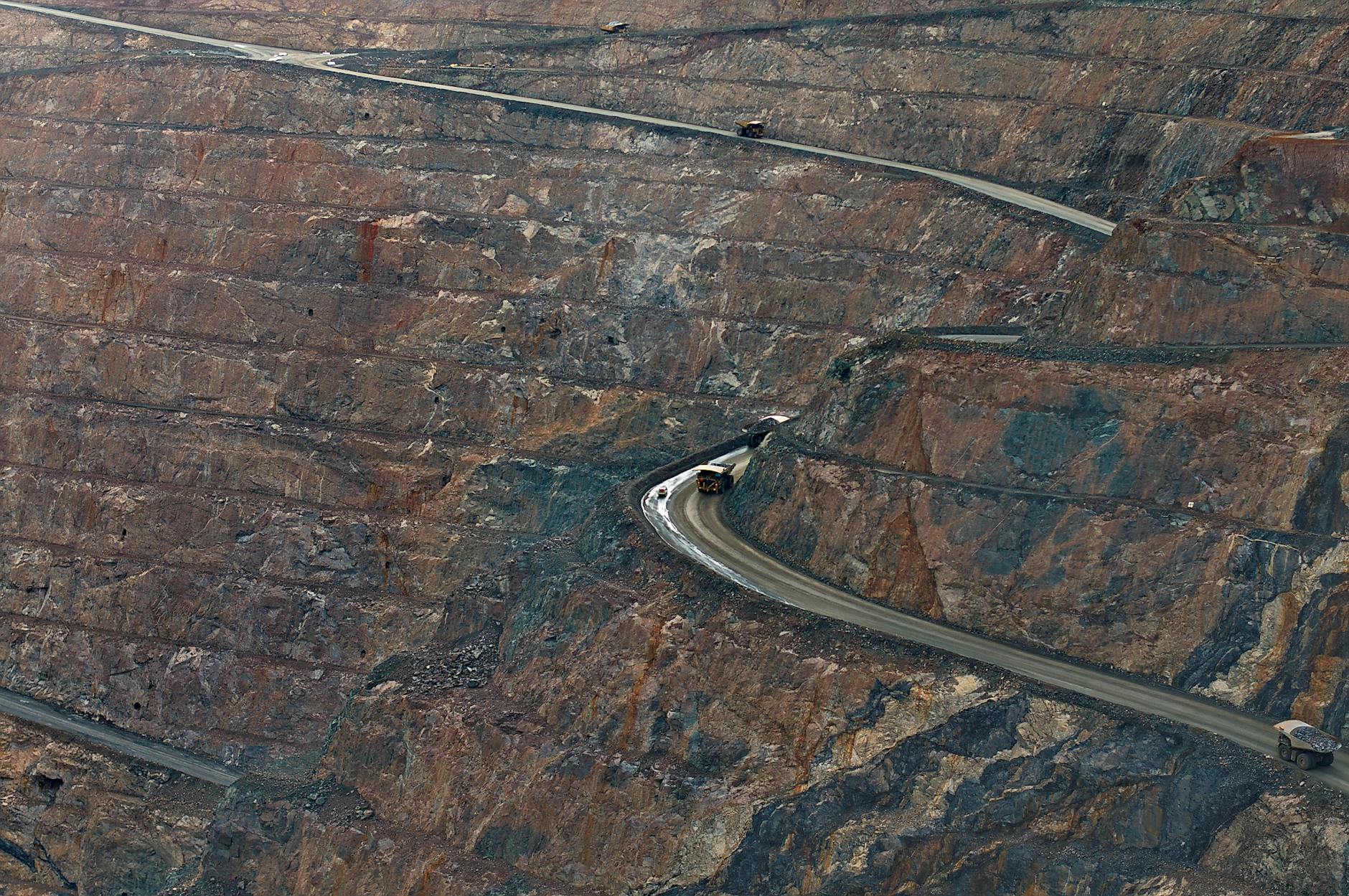
Market Shift in Iron Ore Supply
Anglo American’s latest report shows a 4% year‑on‑year decline in premium iron ore output, falling to 13.8 million tonnes in Q3 2026 and slipping 10% quarter‑on‑quarter. The dip is driven by tighter mining schedules and logistics bottlenecks at key export ports. For steelmakers, lower ore receipts tighten the scrap‑to‑steel ratio, raise furnace fuel consumption and place modest upward pressure on primary steel costs.
Implications for Forging‑Grade Steels
Forging manufacturers that depend on high‑grade carbon and alloy steels will feel the ripple first. Grades such as 42CrMo4, 4140 or EN8 are typically cast from melt‑shop ingots that require stable alloying‑element balances. Any fluctuation in iron‑ore pricing can alter the cost structure of these ingots, prompting OEMs to revisit inventory buffers and price‑risk strategies. Buyers should verify that their supplier can maintain chemical tolerances despite raw‑material volatility.
For those sourcing directly from Indian producers, Kesari Alloys offers a broad portfolio of forging ingots and an extensive steel grade family that meet the specifications of open‑die, ring‑rolling and upsetting operations. Its long‑standing presence in Bhiwadi ensures access to stable melt‑shop practices, which is valuable when the upstream ore market is unsettled.
Kesari Alloys Perspective
The current ore contraction underscores the importance of a supplier with diversified melt‑shop capabilities. Kesari Alloys can offset raw‑material swings by leveraging its alloying expertise across carbon, alloy and stainless grades, delivering consistent ingot chemistry for critical forging applications. Buyers looking for an "alloy steel forging ingots manufacturer in India" should assess the supplier’s ability to hold grade integrity and provide transparent material certifications.
In practice, this means qualifying Kesari Alloys not just on price but on its track record of delivering grades like EN8 and C45 in both ingot and billet form, ensuring downstream forging lines stay productive without costly re‑work.