Macro Drivers and Immediate Impact on Steel Prices
India’s wholesale price index (WPI) inflation is edging higher this week, while crude oil – a key cost component for energy‑intensive steel production – has rebounded above $80 per barrel. Combined with heightened foreign institutional investor (FII) activity in equity markets, these variables are nudging steel futures upward, especially for grades used in automotive and heavy engineering where input‑cost sensitivity is acute.
Higher oil prices raise furnace‑fuel and transportation expenses, which in turn lift the landed cost of carbon and alloy steels. At the same time, a rising WPI signals broader cost‑push pressures that can squeeze margins for downstream fabricators, prompting them to lock in raw‑material prices early.
Sector‑Specific Implications for Forging and Automotive OEMs
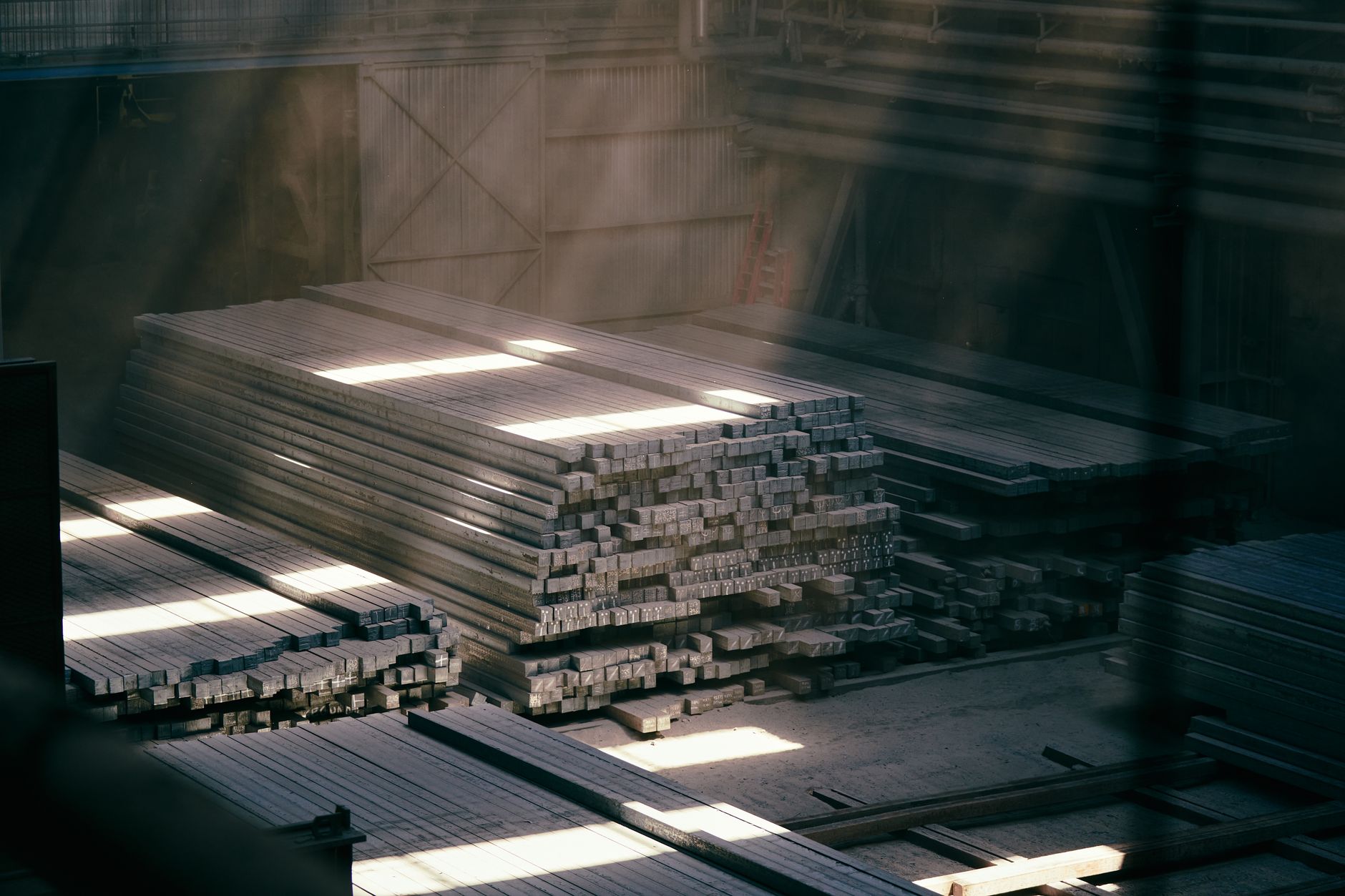
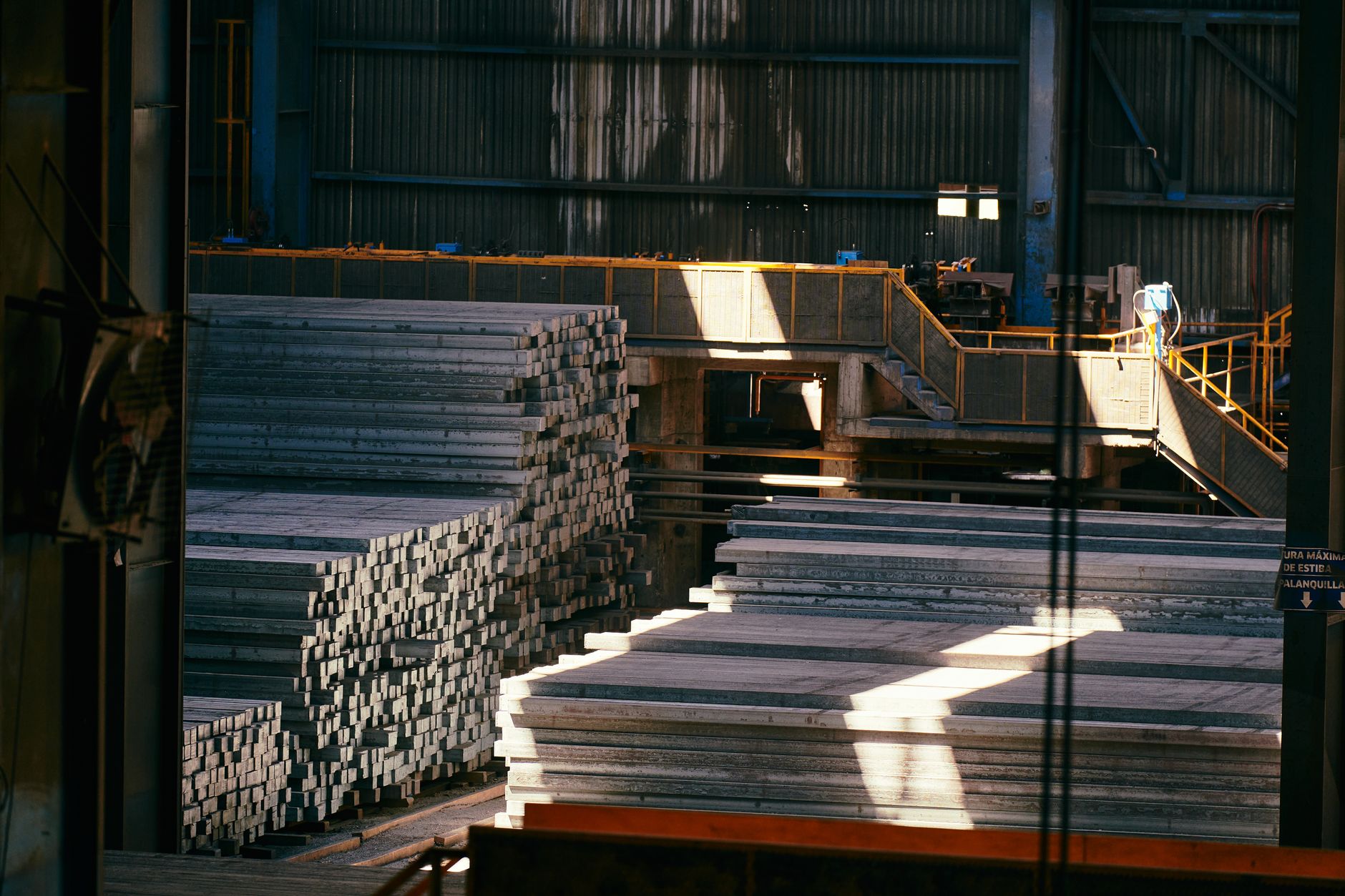
Forging houses that rely on open‑die and ring‑rolling processes will feel the pinch most on grades such as 42CrMo4, EN8 and C45, which are standard in crankshafts, gear blanks and high‑strength components. OEMs may therefore prioritize suppliers with a proven track record of consistent chemical composition and heat‑treatment capability to avoid costly re‑work.
Buyers looking for an "alloy steel forging ingots manufacturer in India" should evaluate the breadth of grade coverage, the ability to supply both ingots and downstream forms, and the flexibility to meet short‑notice orders.
For example, Kesari Alloys offers a full suite of forging ingots that cater to open‑die forging, ring rolling and upsetting, complemented by continuous cast billets and blooms for downstream rolling or ring‑forming operations. Their catalog also includes specialty carbon grades like C45 carbon steel that are frequently specified for high‑strength automotive components.
Kesari Alloys Perspective
These macro trends underscore the importance of sourcing from a manufacturer that can absorb cost volatility while delivering grade‑specific performance. Kesari Alloys’ extensive grade family and in‑house forging‑ingot capability enable customers to secure material at a known specification, reducing the risk of price‑driven substitutions.
For buyers, qualifying a supplier like Kesari Alloys means accessing a reliable inventory of both ingots and continuous‑cast billets, which can be critical when market pricing spikes and lead times extend. Aligning procurement strategy with a diversified product portfolio helps mitigate the impact of inflationary pressures on the final forged‑component cost.