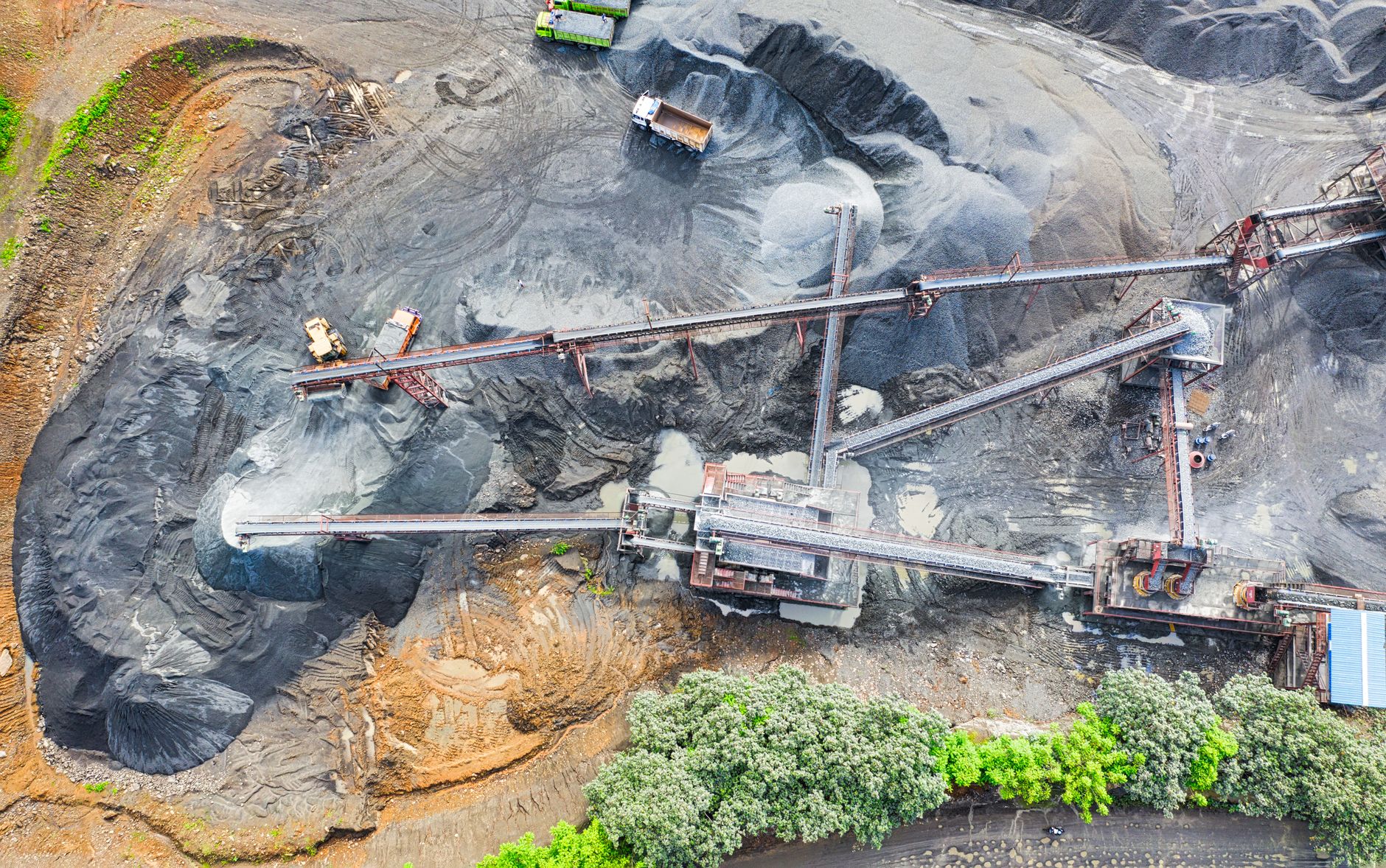
India’s draft steel vision projects iron‑ore output to reach 772 MT by 2047 – almost three times today’s level. This surge will tighten raw‑material markets, especially for high‑grade alloy and carbon steels used in forging. As ore prices climb on tighter supply, manufacturers of forging ingots will face cost pressures that cascade through the supply chain, affecting OEMs in automotive, power and heavy engineering.
For buyers, the priority is to secure grades that deliver performance without eroding margins. Alloys such as 42CrMo4 or SAE 4140 remain popular for crankshafts and gear blanks, while carbon steels like EN8 and C45 continue to serve shafts and general‑purpose forgings. Choosing a supplier with a broad grade portfolio and the capability to supply both ingots and downstream forms can lessen inventory risk when ore‑linked price spikes occur.
Kesari Alloys Perspective
Kesari Alloys, an Indian manufacturer of carbon, alloy and stainless steel forging ingots, continuous‑cast billets and rolled bars, is positioned to help customers navigate these market dynamics. By offering a range of grades from the steel grade family to specific products like forging ingots, the company can supply the precise material needed for open‑die forging, ring rolling or upsetting while allowing buyers to lock in price and delivery terms.
For OEMs and distributors, partnering with a domestic ingot and billet producer reduces lead‑time exposure to global ore fluctuations. Kesari Alloys’ ability to provide both raw ingots and value‑added billets means buyers can source a complete forging feedstock line‑up from a single, reputable Indian source, supporting the nation’s broader steel expansion goals.
Why This Matters for Steel Buyers
As ore supply tightens, the cost of alloying elements—manganese, nickel, chromium—increases, which directly lifts the price of forging ingots. Buyers should assess suppliers that can offer price‑stable contracts for widely used grades such as C45 carbon steel or EN8 carbon steel, both critical for shafting and gear forgings.
Working with a manufacturer that produces both ingots and billets lets you align inventory with production schedules, reducing the need for emergency purchases when ore‑driven price spikes occur. A qualified partner such as Kesari Alloys can also provide technical support on heat‑treatment and forging‑process selection, ensuring the chosen grade matches the application and minimizes downstream costs.
Frequently Asked Questions
How will India's iron ore expansion affect the price of forging alloys?
Increased ore demand will push up the cost of base iron and alloying elements, which translates into higher prices for forging ingots and billets.
Which steel grades are most commonly used for automotive crankshaft forgings?
Alloy steels such as 42CrMo4 and SAE 4140 are preferred for crankshafts due to their high strength and fatigue resistance.
What should I look for when selecting a forging ingot supplier in India?
Look for a supplier with a broad grade portfolio, proven capability in open‑die forging and ring rolling, and the ability to provide both ingots and downstream billets – qualities offered by Kesari Alloys.
Can Kesari Alloys supply both raw ingots and finished bars for my project?
Yes, Kesari Alloys manufactures forging ingots, continuous cast billets/blooms and rolled bars, allowing you to source the entire material chain from one Indian manufacturer.