Raw Materials
Nickel Supply Shift Pressures Stainless Steel Forging Grades
14h ago•28 November 2026•2 min read•Source: Shanghai Metals Market
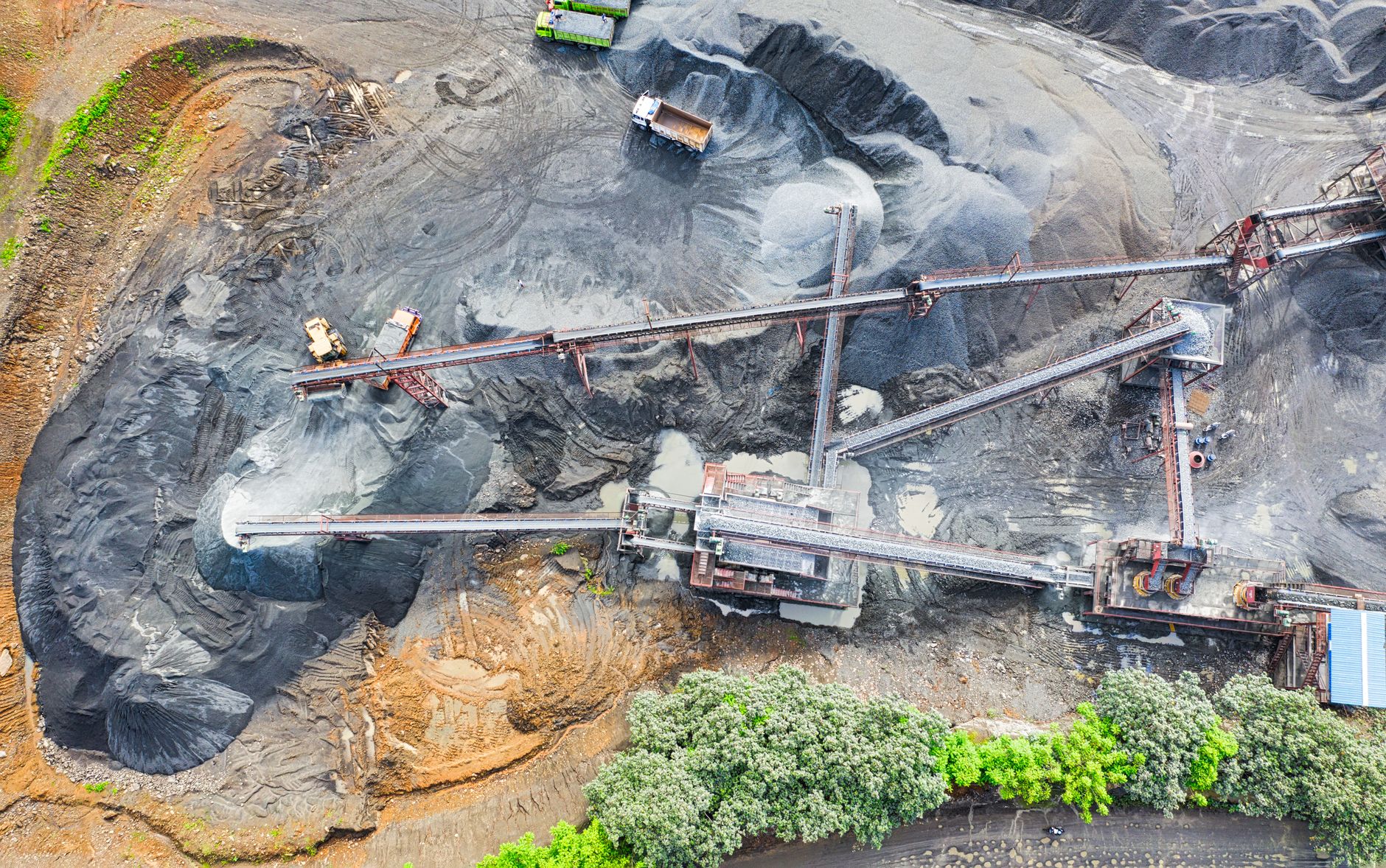
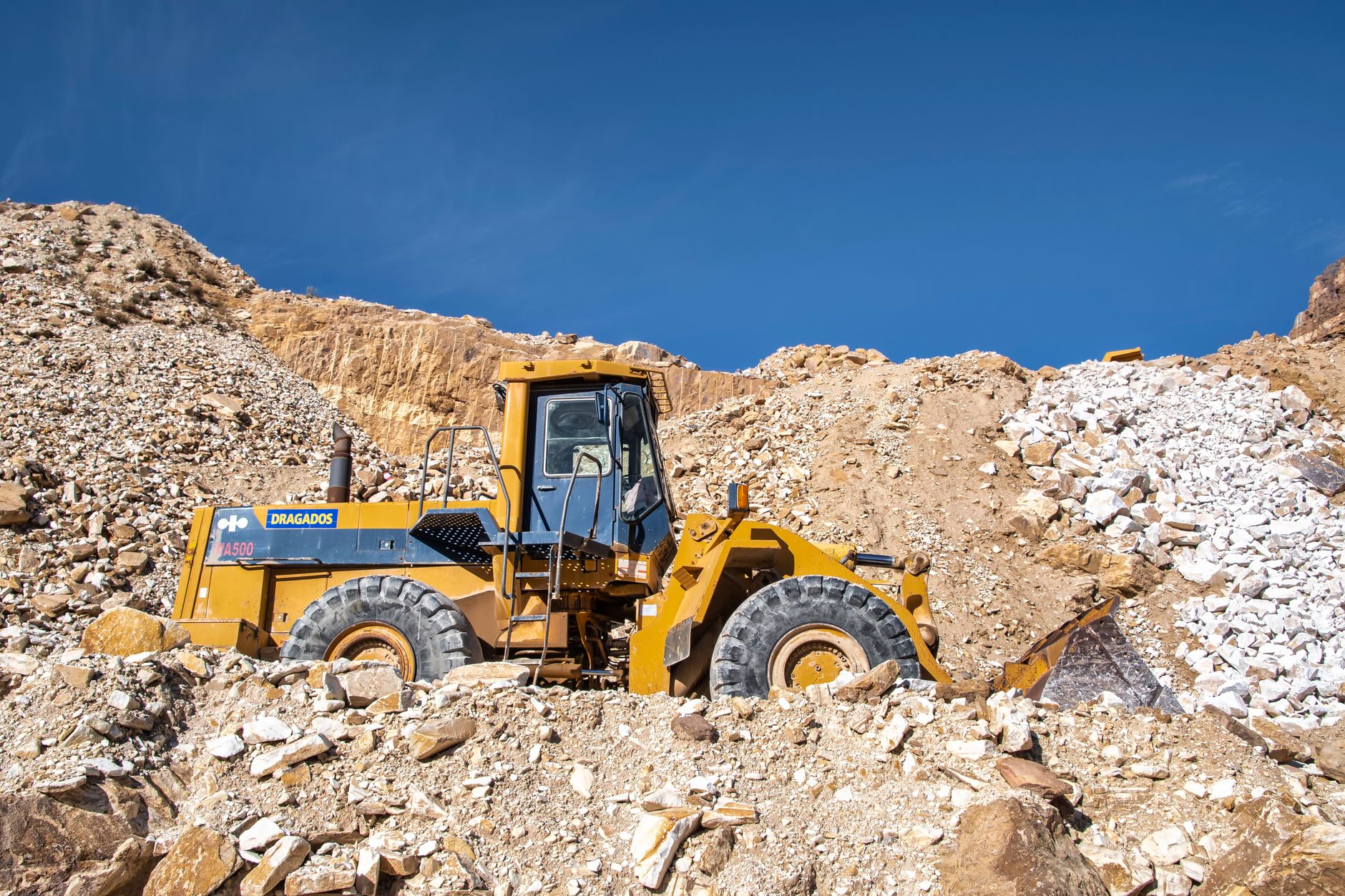
Photo: Tom Fisk / Pexels
Key Highlights
- Primary nickel output has peaked, leaving scrap as the only price‑competitive source.
- Nickel price volatility directly affects stainless steel forging ingot costs.
- Forging ingots and continuous cast billets provide stable feedstock for OEMs.
- Kesari Alloys’ broad stainless grade portfolio helps mitigate supply‑chain risk.
Market Shift in Nickel Supply
The recent plateau in primary nickel output (NPI) from Indonesia and the Philippines has left stainless‑steel producers scrambling for alternatives. With NPI now representing its highest share of the global nickel market in years, the only competitive source left is scrap recycling—an arena that is volatile in both price and composition. This dynamic forces downstream users—especially those requiring high‑nickel stainless grades for aerospace, automotive and pressure‑vessel applications—to rethink material sourcing and inventory strategies.
Implications for Forging‑Grade Steels
Stainless‑steel forging ingots that contain nickel, such as 304L or 316L, are directly affected by the cost of the alloying element. When nickel‑scrap premiums rise, the price gap between primary and recycled nickel narrows, compressing margins for ingot manufacturers. Companies that can deliver a broad portfolio of stainless forging ingots with consistent chemistry and traceability become valuable partners for OEMs seeking to mitigate supply risk. Kesari Alloys offers such a portfolio, including stainless‑steel forging ingots that meet the stringent specifications required for open‑die forging and ring‑rolling processes forging ingots. In addition, its continuous‑cast billets and blooms serve as a stable feedstock for downstream rolling and forging, helping customers lock in material quality despite market volatility continuous cast billets and blooms.
Kesari Alloys Perspective
For a forging‑grade steel manufacturer like Kesari Alloys, the nickel supply squeeze underscores the importance of diversified product lines. By offering both stainless forging ingots and robust billet solutions, Kesari can support customers who need to hedge against nickel price swings while preserving alloy integrity. Buyers should evaluate suppliers on their ability to provide consistent grade certification across the full stainless family, as detailed in Kesari’s grade overview steel grade family. Selecting a partner with a proven track record in alloy control helps ensure that forged components meet mechanical and corrosion‑resistance targets without unexpected cost spikes.
Why This Matters for Steel Buyers
When nickel‑scrap premiums climb, the total cost of stainless forging ingots can rise 5‑10%. That increase pushes buyers to either lock in inventory at current prices or to consider grades with lower nickel content that still satisfy performance requirements. Understanding the full stainless‑grade family offered by a supplier makes it possible to select a substitute grade without compromising corrosion resistance or strength.
Choosing an alloy‑steel forging‑ingot manufacturer in India that also supplies continuous‑cast billets gives buyers production flexibility. With Kesari Alloys’ extensive grade catalog, a single source can qualify both ingots and downstream billets, streamlining supplier qualification, shortening lead times, and reducing the risk of material shortages.
For specifications and applications, see Kesari Alloys’ rolled bars page.
Frequently Asked Questions
How does nickel price volatility affect stainless steel forging ingots?
Nickel is a key alloying element; when its price spikes, the cost of stainless forging ingots rises proportionally, impacting overall component cost.
Can I source both ingots and billets from the same supplier to reduce lead times?
Yes, a supplier like Kesari Alloys offers both forging ingots and continuous cast billets, allowing you to streamline procurement and maintain consistent chemistry.
What stainless grades are suitable for high‑temperature aerospace forging?
Grades such as 304L, 316L, and 321 are common; reviewing the steel grade family page helps match performance requirements with available forging ingots.
Why should I consider an Indian alloy steel forging ingots manufacturer?
India’s growing steel industry provides competitive pricing, reliable logistics, and a wide range of certified grades, making manufacturers like Kesari Alloys a strategic sourcing option.
#nickel supply
#stainless steel forging
#alloy steel manufacturer india
#forging ingots
#raw materials