Raw Materials
Manganese Export Bans in Gabon and Ghana Prompt Alloy Re‑positioning
47m ago•28 November 2026•2 min read•Source: IndexBox
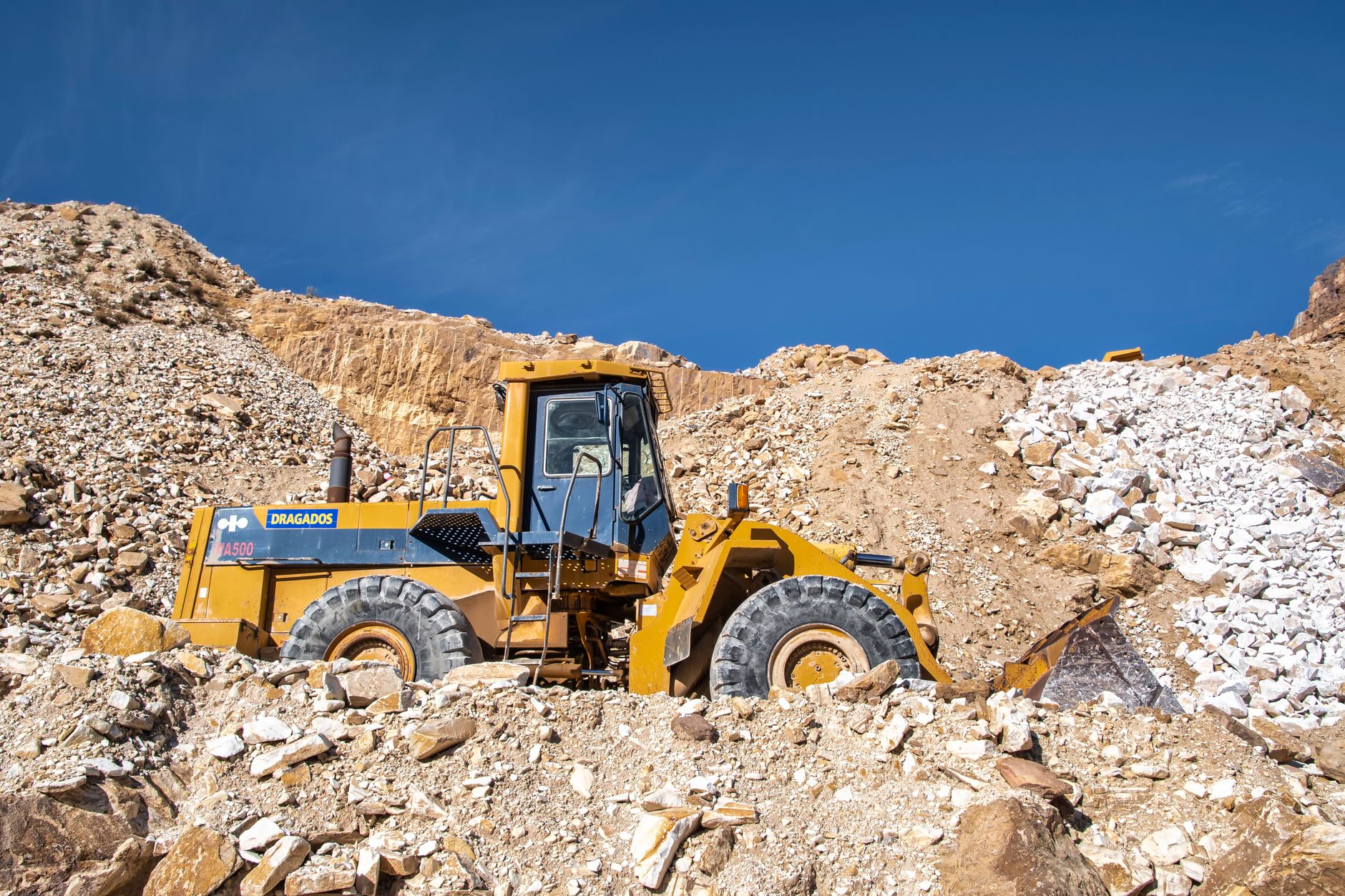
Photo: Enrique / Pexels
Key Highlights
- Gabon and Ghana bans reduce global manganese supply
- Manganese reduction affects hardenability of 4140 and 42CrMo4 steels
- Forgers must tighten chemistry control and consider alternative grades
- Kesari Alloys offers a broad ingot and billet range to adapt to new specs
- Supply‑chain agility becomes a key differentiator for steel buyers
Supply Shock and Its Ripple Effect
The sudden export restrictions imposed by Gabon and Ghana have tightened global manganese supplies, a critical alloying element for high‑strength steels such as 4140 and 42CrMo4. Because manganese directly governs hardenability and tensile strength, OEMs are re‑evaluating alloy recipes to avoid costly re‑work. The market is already shifting toward grades that demand less manganese or toward alternative alloying strategies, especially in open‑die forging where precise chemistry is essential.
Implications for Forging‑Grade Steel Buyers
Forging houses that depend on stable manganese levels must now scrutinise supplier specifications more rigorously. Even a modest Mn reduction can alter the austenite‑to‑martensite transformation during heat treatment, affecting the performance of crankshafts, gears and pressure‑vessel components. Consequently, buyers are seeking manufacturers who can guarantee tight chemistry windows and offer a broad portfolio of grades to fine‑tune their alloys.
Kesari Alloys Perspective
For a forging‑grade steel supplier like Kesari Alloys, the manganese constraints highlight the advantage of a diversified product range. Our forging ingots span a wide chemistry spectrum, enabling customers to choose grades that balance manganese with other alloying elements. The continuous cast billets and blooms provide seamless feedstock for ring‑rolling and upsetting operations, while the extensive steel grade family documentation helps engineers match the right grade to the new alloy targets. Buyers seeking an alloy steel forging ingots manufacturer in India can rely on Kesari’s long‑standing expertise to navigate the evolving manganese landscape without sacrificing performance or lead‑time.
Why This Matters for Steel Buyers
With manganese becoming a bottleneck, both price volatility and lead‑time uncertainty are set to increase. Buyers should qualify suppliers that can furnish detailed chemical certificates and a variety of grades, allowing rapid alloy switches without costly re‑tooling.
Partnering with Kesari Alloys, which publishes a comprehensive SAE4140 alloy steel data sheet, enables engineering teams to model the impact of reduced Mn and select a proven alternative. Early engagement also secures inventory of rolled bars for critical shafting applications, mitigating downstream delays.
Frequently Asked Questions
How will the manganese export bans affect the cost of 42CrMo4 steel?
Reduced manganese supply can lift the price of Mn‑dependent grades like 42CrMo4, prompting buyers to explore lower‑Mn alternatives or negotiate long‑term contracts.
Can I source forging‑grade steel with tighter Mn tolerance from India?
Yes, manufacturers such as Kesari Alloys provide forging ingots and billets with documented chemistry limits, supporting tighter Mn control.
What product formats does Kesari Alloys offer for ring‑rolling applications?
Kesari supplies both forging ingots and continuous cast billets/blooms, which are ideal for ring‑rolling and upsetting processes.
Should I stock rolled bars as a hedge against manganese shortages?
Maintaining a buffer of rolled bars for critical shafting can reduce exposure to short‑term manganese price spikes and lead‑time delays.
#manganese supply
#alloy steel manufacturer india
#forging ingots
#steel grade selection
#raw material risk

