Manufacturing & Technology

India's Grain Oriented Silicon Steel Outlook Raises Questions for Forging-Grade Steel Sourcing

India's Grain Oriented Silicon Steel Outlook Raises Questions for Forging-Grade Steel Sourcing

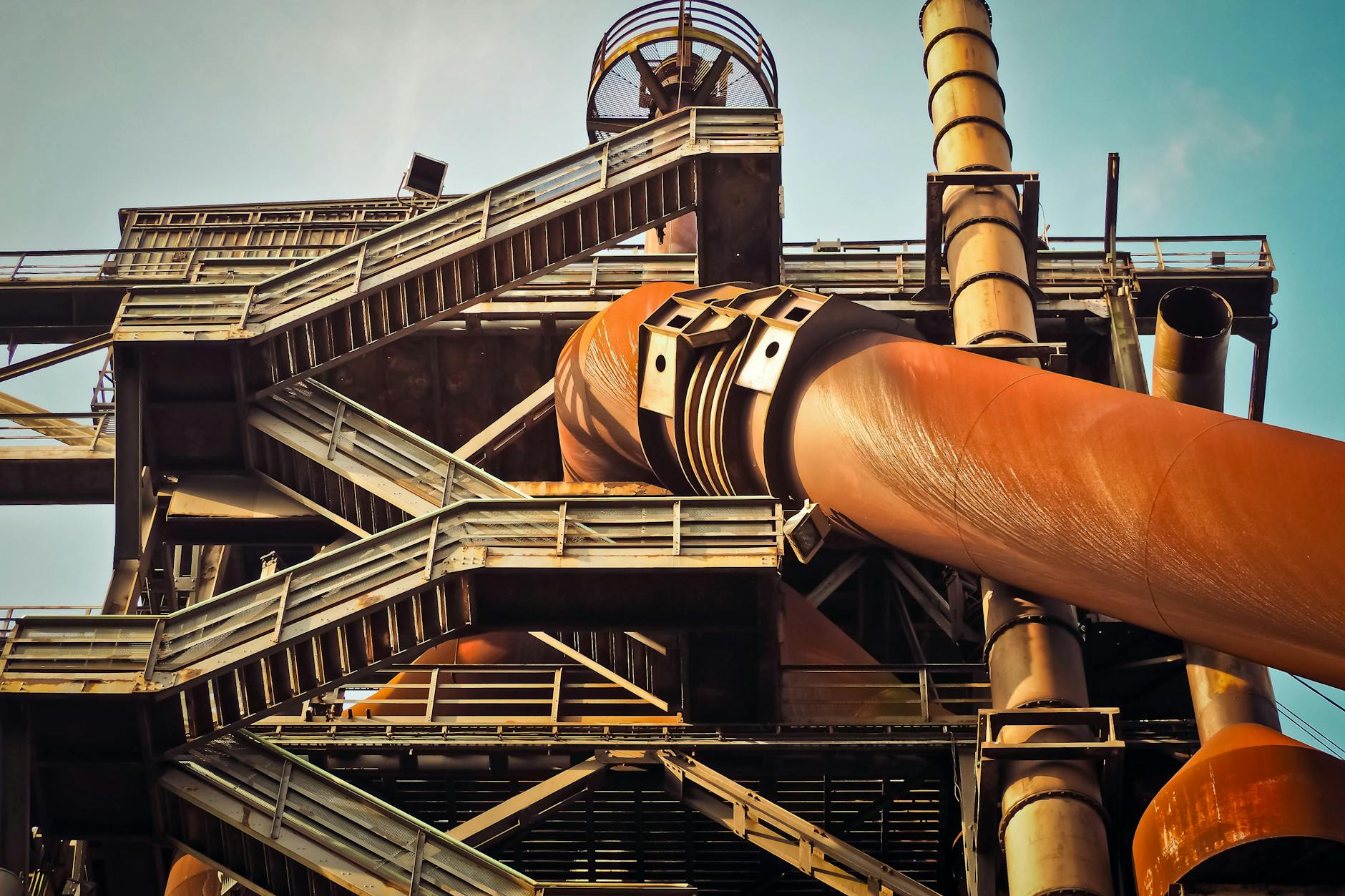
Photo: Pixabay / Pexels

Key Highlights

  • India's GOS steel market projected to grow strongly to 2035, driven by renewable‑energy projects.
  • Increased demand for silicon may tighten availability of alloying elements for standard forging steels.
  • Kesari Alloys supplies forging ingots, continuous cast billets and rolled bars suitable for open‑die and ring‑rolling processes.
  • Early supplier engagement and grade flexibility (e.g., C45, EN8) can safeguard production against alloy shortages.
  • Monitoring alloy inventory and contract terms is critical for OEMs in power and heavy‑engineering sectors.

Market Dynamics of Grain Oriented Silicon Steel

The IndexBox forecast shows India’s grain‑oriented silicon (GOS) steel market expanding sharply through 2035, driven by rising demand for high‑efficiency transformers and renewable‑energy substations. Government incentives for clean‑energy infrastructure and a shift toward higher‑performance magnetic materials that cut core losses are powering the growth. Although GOS steel is a specialty product, the surge in transformer construction creates a ripple effect across the broader steel supply chain, especially for manufacturers that must balance alloying, heat‑treatment and dimensional tolerances.

For forging and heavy‑engineering firms, the key implication is a tighter allocation of alloying elements such as silicon and manganese, which are also essential in many high‑strength alloy steels used for automotive and power‑generation components. Suppliers are likely to prioritize long‑term contracts for GOS grades, potentially tightening availability of standard forging alloys. Buyers should therefore monitor alloy inventory levels and engage early with reputable steel producers.

Implications for Forging‑Grade Steel Procurement

Companies that rely on open‑die forging, ring‑rolling or upsetting need a consistent feedstock that meets precise chemical and mechanical specifications. Kesari Alloys offers a broad portfolio of carbon, alloy and stainless forging ingots that are engineered for those exact processes. Their forging ingots provide the chemistry control required to avoid cross‑contamination with silicon‑rich batches, while their continuous cast billets enable seamless downstream rolling or ring‑forming without compromising grade integrity. For applications that demand shafting or precision machining, the rolled bars from Kesari Alloys deliver the dimensional stability needed for critical components.

Kesari Alloys Perspective

For a forging‑grade steel manufacturer, the expanding GOS market underscores the importance of a diversified alloy offering and robust supply‑chain visibility. Kesari Alloys’ extensive grade catalogue, including carbon steels such as C45 and EN8, gives buyers alternatives when specific alloying elements become scarce. By sourcing forging ingots or billets from a supplier with proven process control, OEMs can mitigate the risk of material shortages and keep production schedules on track for both traditional heavy‑engineering parts and emerging clean‑energy equipment.

Buyers should evaluate a supplier’s ability to trace alloy composition, provide heat‑treatment certifications, and offer flexible delivery options—criteria that align with the expectations from an "alloy steel forging ingots manufacturer in India" like Kesari Alloys.
Why This Matters for Steel Buyers

The surge in grain‑oriented silicon steel intensifies competition for silicon and manganese, two elements that also underpin many conventional forging grades. As GOS contracts lock up a larger share of these alloys, lead times for standard forging ingots and billets can lengthen and price volatility may increase. Securing supply now from manufacturers that demonstrate tight chemistry control helps buyers avoid unexpected delays and cost spikes.

Choosing a supplier with a wide grade portfolio—such as Kesari Alloys, which lists its full steel grade family—lets purchasers shift between carbon and alloy steels (e.g., C45, EN8) without sacrificing mechanical performance. This flexibility is crucial for maintaining project timelines in power‑generation, heavy‑engineering and other sectors that depend on reliable forging‑grade steel deliveries.

Frequently Asked Questions

How will the growth of GOS steel affect the availability of alloying elements for forging steels?
Higher demand for silicon and manganese in GOS production can reduce the inventory of these elements for standard alloy steels, potentially extending lead times for forging grades.
What should a forging OEM look for when qualifying a steel supplier amid this market shift?
OEMs should verify the supplier’s chemical traceability, heat‑treatment certifications, and ability to provide both ingot and billet forms, as demonstrated by Kesari Alloys.
Can I substitute a carbon steel grade if my preferred alloy becomes scarce?
Yes, many applications can switch to grades like C45 or EN8, which are available from Kesari Alloys and offer comparable strength when heat‑treated appropriately.
Is Kesari Alloys a suitable partner for long‑term forging‑grade steel contracts in India?
Kesari Alloys, with its long history since 1987 and a complete range of forging ingots, billets and rolled bars, meets the criteria for a reliable alloy steel forging ingots manufacturer in India.
#grain oriented silicon steel #forging ingots #alloy steel manufacturer india #steel market trends #power generation steel
Source reporting: IndexBox · original article