Manufacturing & Technology
How the 2026 Ring Forging Landscape Shapes Material Sourcing Decisions
10h ago•15 November 2026•2 min read•Source: Courier-Journal

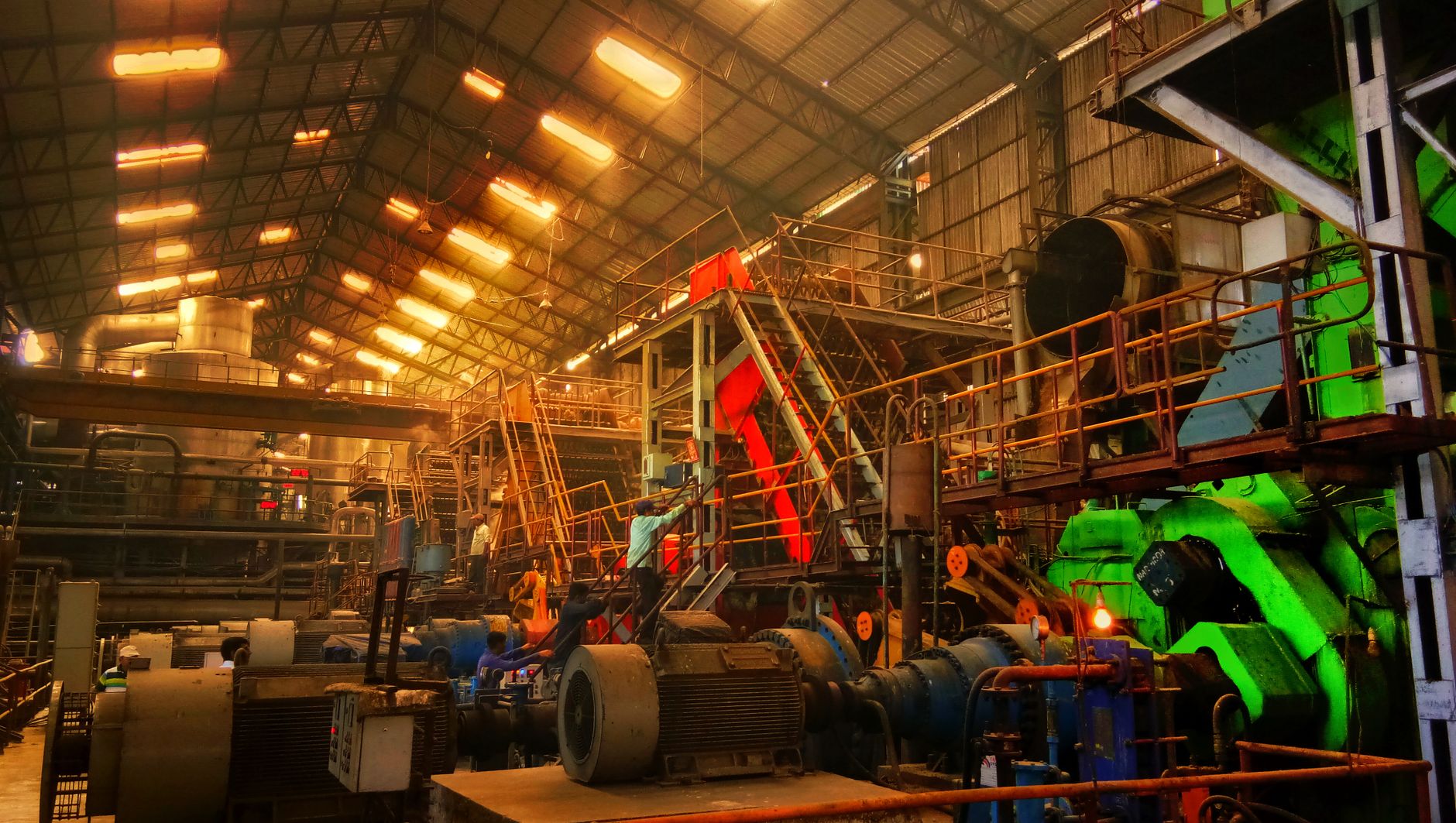
Photo: Bence Szemerey / Pexels
Key Highlights
- Ring forging demand is rising due to automotive lightweighting and wind energy.
- Large‑diameter rings require homogeneous ingot or billet feedstock for grain control.
- Kesari Alloys provides both forging ingots and continuous cast billets suitable for ring rolling.
- Grade selection (e.g., C45, EN8) influences heat‑treatment and final mechanical properties.
- Supply chain continuity from ingot to rolled bar reduces scrap and lead times.
Industry Overview
The latest ranking of large rolled‑ring forging firms shows a clear shift toward higher‑strength alloy steels and tighter tolerances, driven by automotive lightweighting and offshore‑wind turbine shafts. Companies are adding capacity for rings larger than 600 mm in diameter, where material homogeneity and grain flow become critical. This forces buyers to evaluate not only the finished ring but also the upstream steel form—ingot or billet—that determines the attainable micro‑structure.
Material Implications for Forging Buyers
For ring rolling, the starting stock must deliver consistent chemistry and low inclusion levels. Open‑die forging ingots that are specially cast for ring rolling give manufacturers tighter control over grain direction, reducing the risk of anisotropy in the final product. Kesari Alloys offers a broad portfolio of such forging ingots, including alloy grades like 42CrMo4 and 34CrNiMo6 that are frequently specified for large‑diameter rings.
When a ring exceeds the practical size of a single ingot, continuous‑cast billets and blooms become the preferred feedstock. Their uniform cross‑section and seamless grain flow support multi‑pass ring‑rolling while keeping scrap rates low.
In applications where the rolled ring is later machined to precise dimensions, the downstream shafting bar often originates from a rolled‑bar mill. Kesari Alloys also supplies rolled bars that can serve as the final machining stock, ensuring a seamless supply chain from ingot to finished component.
Kesari Alloys Perspective
For suppliers like Kesari Alloys, the expanding market for large rolled rings underscores the importance of offering both high‑quality ingots and continuous‑cast billets that meet the stringent chemical and mechanical specifications demanded by OEMs. Buyers should verify that the manufacturer maintains tight control over melt chemistry and provides traceability for grades such as C45 carbon steel or EN8, which are common bases for heat‑treated alloy rings. Selecting an Indian alloy‑steel forging ingot manufacturer with a proven track record helps mitigate lead‑time risk and ensures consistent quality across the entire forging chain.
Why This Matters for Steel Buyers
Choosing the right upstream material directly influences both cost and schedule on large rolled‑ring projects. High‑purity ingots reduce secondary cleaning and heat‑treatment cycles, while continuous‑cast billets enable uninterrupted ring‑rolling runs, cutting inventory holding costs and minimizing downtime between passes.
Because billets can be fed continuously, manufacturers can maintain a stable temperature profile throughout the rolling sequence, which improves dimensional repeatability and lowers reject rates. Conversely, switching to a new ingot batch often requires reheating and re‑qualification, adding days to the critical path.
Kesari Alloys’ extensive grade library and ability to supply both ingots and billets give buyers the flexibility to select material that aligns with the specific ring size, required grain flow, and heat‑treatment route. This flexibility accelerates qualification, reduces the likelihood of costly re‑work, and supports more predictable pricing.
For specifications and applications, see Kesari Alloys’ rolled bars page.
Frequently Asked Questions
What steel grades are most suitable for large rolled ring forgings?
Alloy steels such as 42CrMo4, 34CrNiMo6, and high‑strength carbon steels like C45 and EN8 are commonly used because they offer good hardenability and tensile strength after heat treatment.
How does the choice between ingots and billets affect ring rolling?
Ingot stock provides better grain flow for very large rings, while continuous cast billets offer uniform cross‑section and are ideal for rings that can be produced in multiple passes.
Can Kesari Alloys supply the full material chain for a rolled ring project?
Yes, Kesari Alloys manufactures forging ingots, continuous cast billets/blooms, and rolled bars, allowing buyers to source the entire material flow from a single reputable Indian supplier.
What should a buyer verify when qualifying a new forging steel supplier?
Confirm the supplier’s grade portfolio, traceability of melt chemistry, and capability to deliver both ingots and billets that meet the required specifications for the intended ring size.
#ring forging
#alloy steel manufacturer india
#forging ingots
#continuous cast billets
#large diameter rings