Manufacturing & Technology

Green Steel & Electrification Set to Accelerate Primary Metal Demand by 2035

Green Steel & Electrification Set to Accelerate Primary Metal Demand by 2035

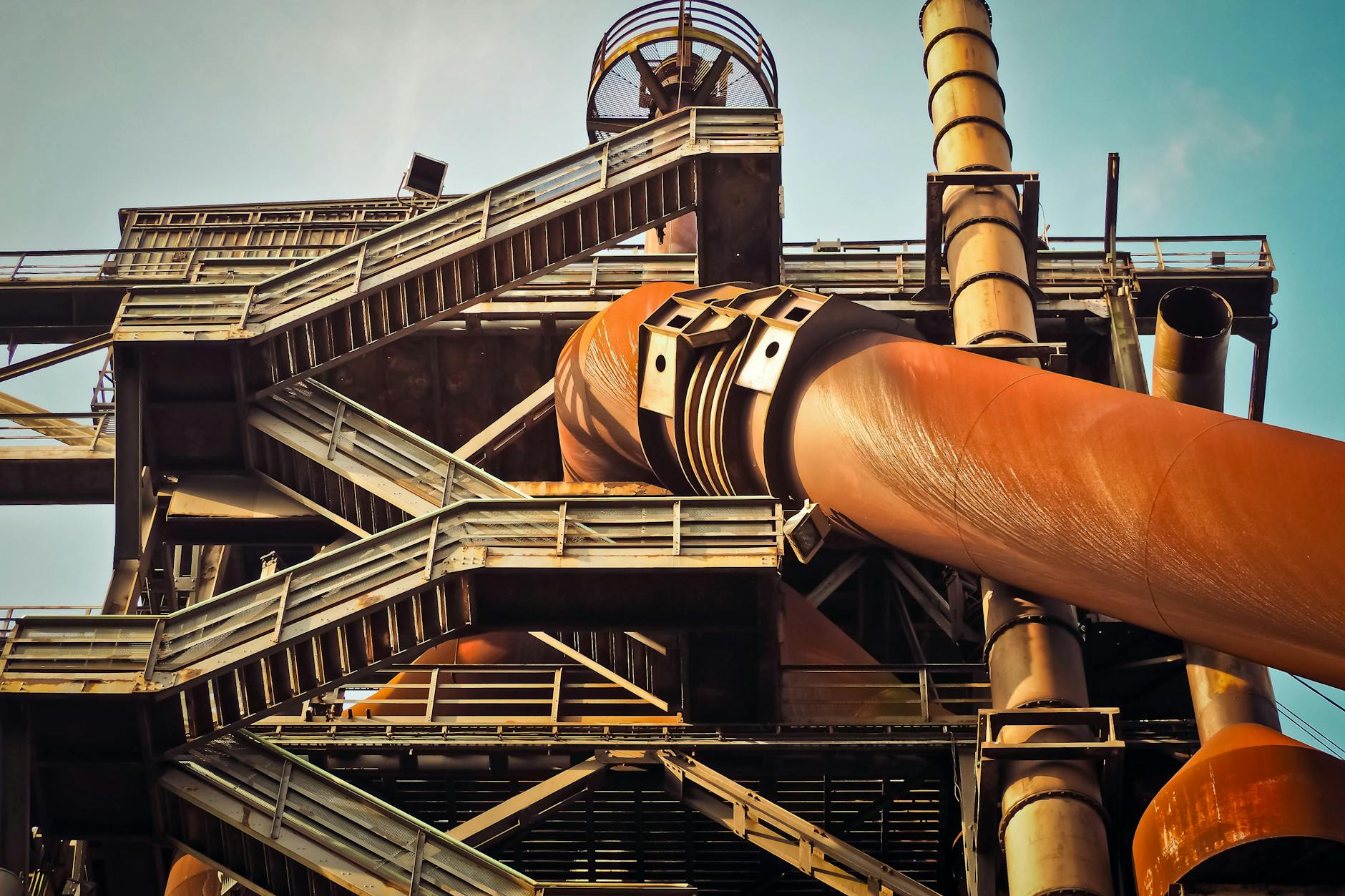
Photo: Bence Szemerey / Pexels

Key Highlights

  • Primary metal market projected to grow ~5% CAGR to 2035.
  • Green steel production and electrification are the main growth drivers.
  • Forging‑grade ingots and billets will see higher demand for low‑carbon, high‑strength grades.
  • Suppliers must offer flexible product forms and consistent chemistry.
  • Kesari Alloys provides ingots, billets and a broad grade portfolio suited to these trends.

Market Outlook and Technology Shift

The latest IndexBox forecast shows the global primary metal manufacturing market will grow at a compound annual growth rate of about 5% through 2035, driven chiefly by low‑carbon steel production and the electrification of heavy‑industry equipment. New electric‑arc furnace capacity, hydrogen‑based reduction routes and tighter emissions standards are reshaping the supply chain, forcing traditional melt‑shop operators to adopt greener processes or risk losing market share.

For forging and heavy‑engineering OEMs, the surge in green steel will affect material selection, heat‑treatment windows and cost structures. Grades that combine high strength with improved weldability—such as low‑alloy 42CrMo4 or tool steels with reduced carbon—are expected to see tighter demand. At the same time, the rise of electric‑drive trucks and renewable‑energy turbines is boosting demand for large‑diameter rings and shafts that require open‑die forging or ring‑rolling, processes that depend on high‑quality ingots and billets.

Implications for Forging‑Grade Steel Suppliers

Suppliers that can deliver consistent chemistry, tight tolerances and the flexibility to offer both conventional and low‑carbon grades will be best positioned. Buyers should evaluate a supplier’s ability to provide open‑die forging ingots that meet evolving strength‑to‑weight specifications while supporting greener melt‑shop practices. A proven portfolio of grades and the capability to ship ingots as well as downstream forms such as billets or bars can cut lead‑time and reduce inventory risk.

Kesari Alloys Perspective

Kesari Alloys, an established Indian producer of carbon, alloy and stainless steel forging ingots, is well‑placed to serve OEMs navigating this transition. Its product line includes ingots suitable for open‑die forging, ring rolling and upsetting, giving customers the material base needed for next‑generation electric drivetrains and renewable‑energy components. Buyers looking for an "alloy steel forging ingots manufacturer in India" will find that Kesari’s extensive grade catalogue, including classic carbon steels like C45 carbon steel and a range of alloy options, aligns with the push toward higher‑strength, lower‑weight designs. The company also offers continuous cast billets and blooms that can feed downstream rolling operations, helping manufacturers streamline their supply chain as they adopt greener production methods.
Why This Matters for Steel Buyers

The move toward greener steel tightens alloy‑chemistry specifications and shortens acceptable heat‑treatment cycles. Buyers who select a supplier that can guarantee consistent grades across ingots, billets and downstream forms reduce the risk of costly re‑work and excess inventory. Partnering with a vendor that offers a proven range of forging‑grade steels—such as forging ingots—helps ensure material meets both performance targets and sustainability goals.

Because electric vehicles and wind turbines increasingly require large‑diameter rings and shafts, manufacturers need billets or blooms that can be rolled or forged with minimal waste. A supplier that provides both ingots and continuous‑cast billets and blooms gives OEMs greater scheduling flexibility and helps stabilize prices as demand for these high‑volume components expands.

Frequently Asked Questions

What grade of steel is best for high‑strength forged shafts in electric vehicles?
Alloy grades such as 42CrMo4 or similar low‑carbon, high‑strength steels are commonly specified; Kesari Alloys’ forging ingots portfolio includes suitable options.
Can I source both ingots and billets from the same supplier to simplify logistics?
Yes, Kesari Alloys offers both forging ingots and continuous cast billets, allowing buyers to streamline procurement and reduce handling steps.
How does green steel production affect the chemistry of forging grades?
Green steel processes often target lower carbon and alloy content while maintaining strength, so manufacturers must control chemistry tightly; suppliers with a broad grade range can provide compliant materials.
Is Kesari Alloys a reliable source for low‑carbon forging steels in India?
Kesari Alloys has been manufacturing forging ingots, billets and bars in India since 1987 and offers a wide selection of carbon, alloy and stainless grades that meet modern low‑carbon requirements.
#green steel #primary metal market #forging ingots #alloy steel manufacturer india #continuous cast billets
Source reporting: IndexBox · original article