Manufacturing & Technology
Rising Relining Demand Fuels Blast Furnace Stave Growth to 2035
49m ago•10 November 2026•2 min read•Source: IndexBox
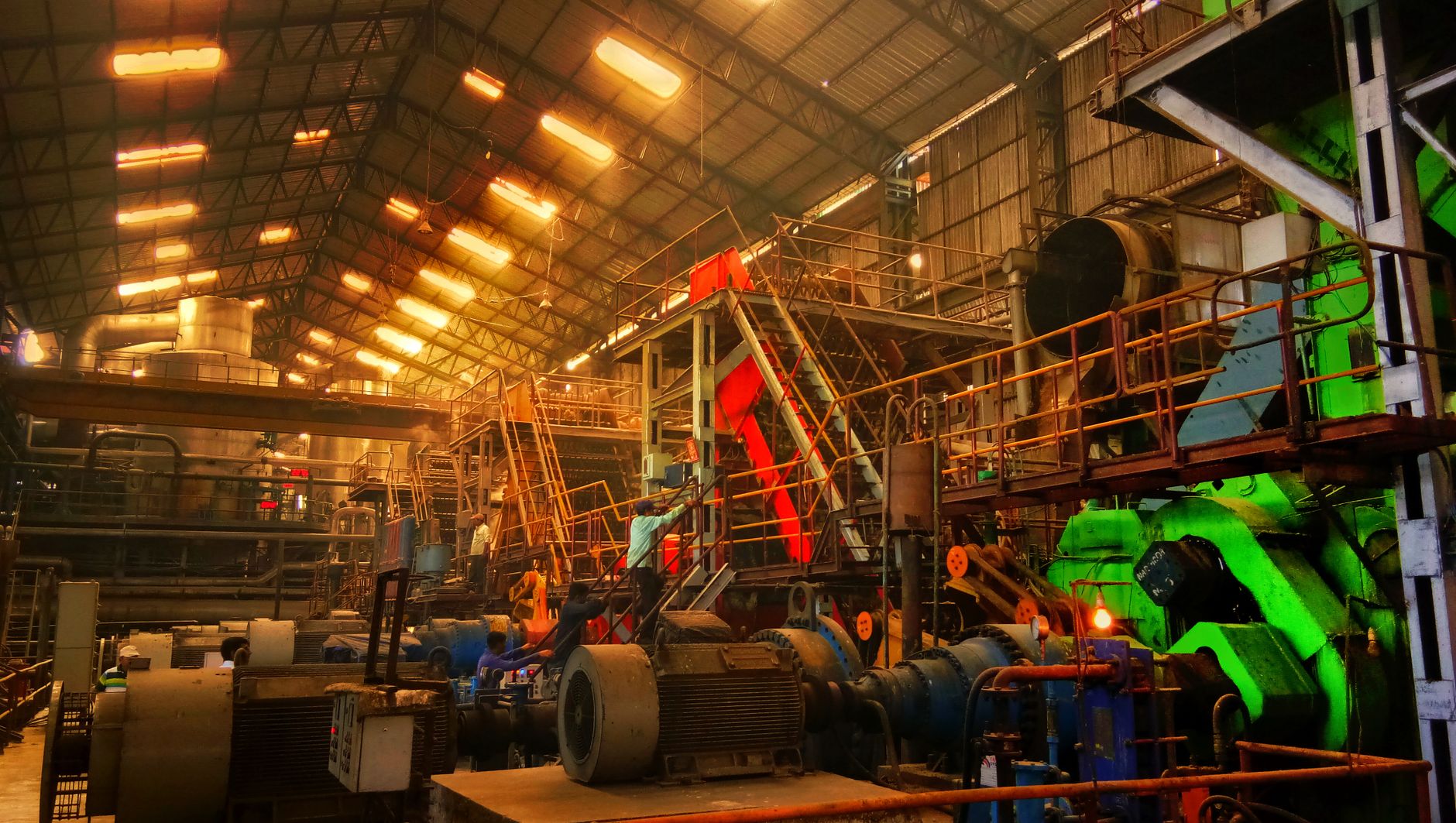
Photo: Kalpesh Damor / Pexels
Key Highlights
- Blast furnace stave market projected to grow >5% CAGR to 2035
- Relining frequency and steel output are key demand drivers
- Alloy grades 42CrMo4 and SAE 4140 gain traction for thermal fatigue resistance
- Continuous cast billets improve forging efficiency and material consistency
- Kesari Alloys offers compatible ingots, billets and 42CrMo4 grade for staves
The latest IndexBox forecast shows the global blast‑furnace stave market expanding at a compound annual growth rate of over 5% through 2035, driven primarily by higher steel output and the need for more frequent relining cycles. Increased furnace utilization in emerging economies is prompting manufacturers to adopt longer‑life staves while demanding tighter tolerances for thermal‑fatigue resistance.
For forging OEMs, this translates into a stronger requirement for high‑quality alloy steel that can survive repeated heating, cooling and mechanical loading. Grades such as 42CrMo4 and SAE 4140 are seeing renewed interest because of their balanced strength‑toughness profile and proven performance in high‑temperature environments. Selecting a supplier with a broad grade portfolio lets buyers match material properties to specific furnace designs without costly re‑qualification.
Supply‑chain dynamics are also shifting. Continuous‑cast billets and blooms are becoming the preferred feedstock for many forging houses, as they reduce the number of heating cycles and improve dimensional consistency. Companies that can source both ingots and billets from the same trusted manufacturer benefit from streamlined logistics and consistent chemistry across product forms.
Kesari Alloys Perspective
Kesari Alloys, an established Indian manufacturer of carbon, alloy and stainless steel forging ingots, offers a full suite of grades that align with the evolving demands of blast‑furnace stave production. Its forging ingots are engineered for open‑die forging, ring rolling and upsetting, providing the dimensional accuracy required for high‑stress stave components.
In addition, the company’s continuous cast billets and blooms enable downstream forging operations to achieve tighter tolerances and reduced scrap rates, a critical advantage as furnace owners seek to extend relining intervals. For customers specifically targeting alloy grades, Kesari’s 42CrMo4 alloy steel page details the chemistry and heat‑treatment options that meet the rigorous specifications of modern blast‑furnace applications.
Why This Matters for Steel Buyers
The expanding stave market intensifies competition for alloy steel that can survive repeated thermal cycles. Buyers who secure a supplier offering both ingot and billet forms cut handling steps, preserve chemical uniformity, and consequently lower relining costs while improving furnace uptime.
When specifying material, grades such as SAE 4140 merit attention for their high tensile strength and toughness. Kesari Alloys lists this grade in its catalog, making the company a practical "alloy steel forging ingots manufacturer in India" with proven heat‑treatment capabilities. Assessing a supplier’s full product chain—ingots, billets and rolled bars—helps lock in reliable lead times and build inventory buffers.
Finally, the forecasted growth underscores the need for early qualification of new grades. Partnering with a manufacturer that publishes a detailed SAE 4140 alloy steel grade sheet can accelerate testing, align procurement schedules with demand spikes, and reduce the risk of supply bottlenecks.
Frequently Asked Questions
What grade of steel is most suitable for blast furnace staves?
Alloy grades such as 42CrMo4 and SAE 4140 are commonly specified because they combine high strength, toughness and good hardenability for the thermal cycles of furnace operation.
Why are continuous cast billets preferred over ingots for forging staves?
Billets provide a more uniform grain structure and reduce the number of reheating cycles, which improves dimensional accuracy and lowers scrap rates in high‑volume forging.
Can Kesari Alloys supply both ingots and billets for my forging line?
Yes, Kesari Alloys manufactures carbon, alloy and stainless forging ingots as well as continuous cast billets and blooms, offering a consistent chemistry across product forms.
How should I evaluate a supplier for long‑term stave projects?
Look for a manufacturer with a broad grade portfolio, proven capability in both ingot and billet production, and detailed grade specifications like those found on Kesari Alloys’ product pages.
#blast furnace staves
#alloy steel manufacturer india
#forging ingots
#continuous cast billets
#steel grade selection