Steel Prices

How Shifts in Iron‑Carbon Chemistry Are Driving New Forging Grade Demand

How Shifts in Iron‑Carbon Chemistry Are Driving New Forging Grade Demand

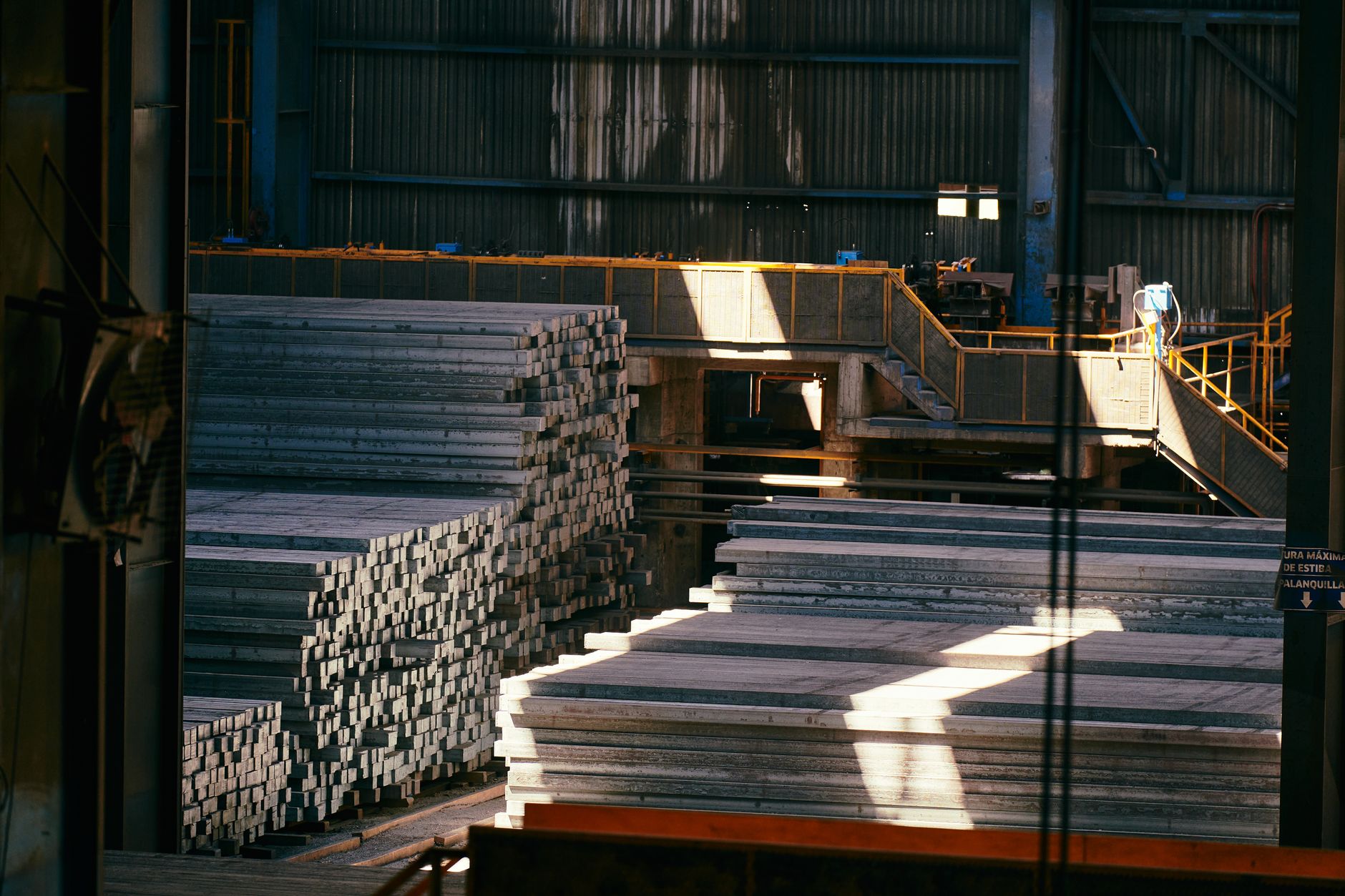
Photo: Willians Huerta / Pexels

Key Highlights

  • Carbon‑alloy chemistry is being fine‑tuned to meet higher strength‑to‑weight goals.
  • Alloy grades such as 42CrMo4 and SAE4140 are seeing increased demand for demanding forging applications.
  • Suppliers offering both forging ingots and continuous cast billets provide a more efficient material flow.
  • Kesari Alloys’ extensive grade portfolio supports open‑die, ring‑rolling and upsetting processes.

Industry Shift: Carbon Content and Alloying Trends

The global steel market is refocusing on the balance of iron, carbon and alloying elements as OEMs pursue higher strength‑to‑weight ratios. Recent raw‑iron price swings and tighter emissions standards have pushed manufacturers toward steels with optimized carbon levels and targeted alloy additions such as chromium, molybdenum and nickel. These chemistries support open‑die forging, ring rolling and upsetting operations that produce lighter yet tougher components for automotive power‑trains, oil‑&‑gas, and heavy‑engineering applications.

For forging houses, the priority is securing grades that maintain good hot‑working flow while delivering the mechanical properties required in the finished part. Alloys such as 42CrMo4 and SAE 4140 are gaining traction because their moderate carbon (≈0.2‑0.3 %) and alloying elements improve hardenability without sacrificing weldability. At the same time, traditional carbon steels like C45 and EN8 remain indispensable for lower‑cost, high‑volume shafts and gears where the performance envelope is well understood.

Supply‑Side Dynamics: From Ingots to Billets

Manufacturers that can offer a seamless product ladder—from high‑purity forging ingots to continuous‑cast billets and rolled bars—are better positioned to meet the tighter lead times demanded by downstream fabricators. An ingot that meets ASTM or EN specifications can be melted directly into a billet for ring‑rolling, or hot‑rolled into a shafting bar for final machining. This flexibility reduces handling steps, cuts scrap, and aligns with the cost‑sensitivity of today’s supply chains.

Buyers should therefore evaluate suppliers on the breadth of their grade portfolio, the consistency of chemical composition, and the ability to deliver both raw ingots and value‑added rolled products. A partner that offers forging ingots alongside continuous cast billets and blooms can streamline procurement and ensure material traceability from melt to finished component.

Kesari Alloys Perspective

For a forging‑grade steel manufacturer like Kesari Alloys, the evolving carbon‑alloy balance underscores the importance of a diversified grade offering. Its catalog of carbon, alloy and stainless steel ingots, billets and bars enables customers to select the exact chemistry needed for specific forging processes, whether it is open‑die upsetting of 42CrMo4 or ring‑rolling of EN8.

Buyers looking for an "alloy steel forging ingots manufacturer in India" will find that Kesari Alloys’ long‑standing presence in Bhiwadi, Rajasthan, and its integrated product chain support rapid design changes and inventory optimisation across automotive, power and heavy‑engineering sectors.

Why This Matters for Steel Buyers

The shift toward higher‑alloyed, low‑carbon steels forces procurement teams to work with suppliers who can guarantee consistent chemistry across the entire product ladder. When a single manufacturer provides both forging ingots and continuous‑cast billets or blooms, the risk of material mismatch drops dramatically and the time from order placement to heat‑treatment shortens.

This tighter control translates into lower inventory holding costs, because fewer safety stocks are needed to cover variability, and it stabilises pricing in a market where raw‑iron costs are volatile. In addition, a supplier with a grade library that aligns with the specific standards—such as EN or ASTM—required for downstream forging and machining eliminates the need for costly re‑qualification or additional testing.

For specifications and applications, see Kesari Alloys’ C45 carbon steel page.

Frequently Asked Questions

What grade should I choose for a high‑strength crankshaft that requires good hardenability?
SAE4140 alloy steel is a common choice because its moderate carbon and chromium‑molybdenum alloying provide excellent hardenability while remaining weldable.
Can I source both the ingot and the finished bar from the same supplier?
Yes, a supplier like Kesari Alloys offers forging ingots, continuous cast billets and rolled bars, allowing you to keep the material within a single quality‑controlled supply chain.
How does carbon content affect forging temperature windows?
Higher carbon raises the eutectoid temperature, narrowing the hot‑working window; lower‑carbon alloy steels such as 42CrMo4 give a broader temperature range, which is advantageous for open‑die forging.
Is Kesari Alloys a reliable source for alloy steel forging ingots in India?
Kesari Alloys, based in Bhiwadi, Rajasthan, has been manufacturing carbon, alloy and stainless steel forging ingots for automotive, power and heavy‑engineering sectors since 1987, making it a credible partner for alloy steel forging needs.
#steel prices #alloy steel manufacturer india #forging ingots #continuous cast billets #carbon steel grades
Source reporting: beamchart.com · original article